You just finished a heavy squat session or a tough deadlift day. Your muscles feel tight, your joints are a little achy, and you know you should do something to help recovery. Foam rolling is one of the most accessible tools you can reach for, but using it the wrong way after maximal effort lifting can actually work against you. Here is a practical guide to using foam rolling effectively in the post-lifting window, with the right techniques, timing, and precautions.
Why foam rolling matters after heavy lifting
When you lift heavy, your muscles accumulate micro-damage and fluid buildup. Tension in the fascia—the connective tissue that wraps around your muscles—can increase, reducing range of motion and making you feel stiff. Foam rolling applies controlled pressure to these areas, which may help reduce muscle soreness and improve flexibility in the short term. Research suggests it can temporarily decrease pain perception and improve movement quality, which is useful when your body is recovering from a high-intensity session.
Think of it as a tool for maintenance, not a cure-all. It won't replace proper nutrition, sleep, or active recovery, but it can help you feel more mobile and less achy in the hours and days after a heavy lift.
When to roll: the 30-minute window
Timing matters more than most people realize. Rolling immediately after your last set, while your muscles are still warm and pliable, is ideal. Wait too long and the tissue can stiffen up, making the pressure less comfortable and potentially less effective.
For most lifters, spending 5 to 10 minutes rolling key areas within 30 minutes of finishing your session strikes the right balance. You don't need to roll your whole body—focus on the muscle groups you taxed most. After deadlifts or squats, that means glutes, hamstrings, quads, and lower back. After bench press or overhead press, target your lats, pecs, and upper back.
A quick note on pain: Foam rolling should feel like a mild to moderate discomfort, not a sharp or stabbing pain. If a spot feels especially tender, back off the pressure or avoid it entirely. Never roll directly over joints, bones, or areas with acute injuries.
Five key techniques for heavy lifters
You don't need a complicated routine. These five techniques cover the areas most lifters need after a heavy session. Move slowly—about one inch per second—and pause on any tight spots for 20 to 30 seconds.
Quads and hip flexors
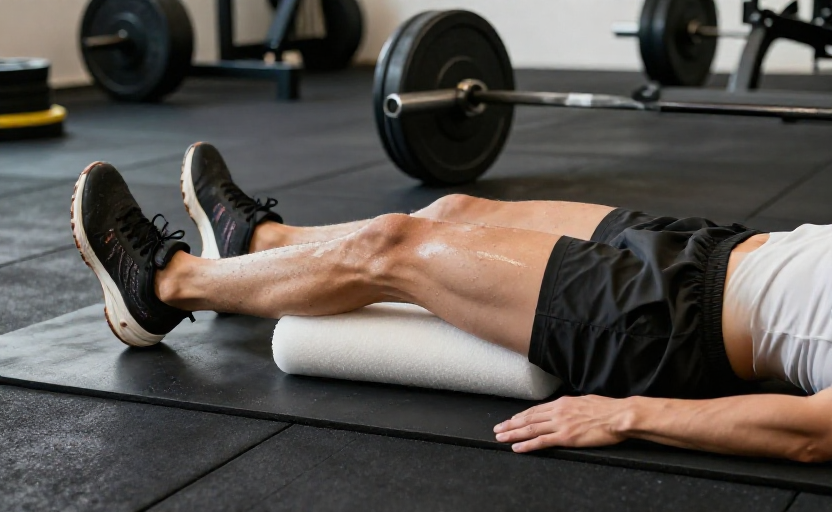
Lie face down with the roller under your thighs. Roll from just above your knees to the front of your hip. To increase pressure, stack one leg over the other. Heavy squatters often find the outer quad and hip flexor area especially tight—spend an extra 10 seconds there.
Hamstrings and glutes
Sit on the roller with it under your glutes, hands on the floor behind you. Roll slowly from the base of your glutes down to the back of your knee. For more targeted glute work, cross one ankle over the opposite knee and lean slightly into that side. This is a goldmine for deadlift recovery.
Upper back and lats
Lie on your back with the roller placed horizontally under your shoulder blades. Cross your arms over your chest and gently roll upward toward your neck and down to your mid-back. For lat access, roll slightly to one side, letting that arm reach overhead. This releases tension that builds from pull-ups, rows, and heavy bench press.
Calves
Sit with your legs extended and the roller under one calf. Roll from the Achilles area up to just below the knee. Point and flex your foot as you roll to work different fibers. Lifters who do a lot of standing or squatting often carry surprising tightness here.
Lower back—with caution
Many lifters want to roll their lower back after deadlifts, but this area is sensitive. Instead of rolling directly over the spine, place the roller under your glutes and sacrum. Tilt your pelvis slightly and roll the soft tissue just above the glutes and to the side of the spine. If you feel any sharpness, stop immediately.
What to avoid after a heavy session
Foam rolling after heavy lifting has some important 'don'ts'. First, avoid rolling the same spot for longer than two minutes—that's a recipe for bruising and inflammation, not relief. Second, stay away from the IT band directly. The IT band is a dense, non-contractile structure that doesn't respond well to direct pressure. Instead, focus on the muscles around it—the TFL and glutes.
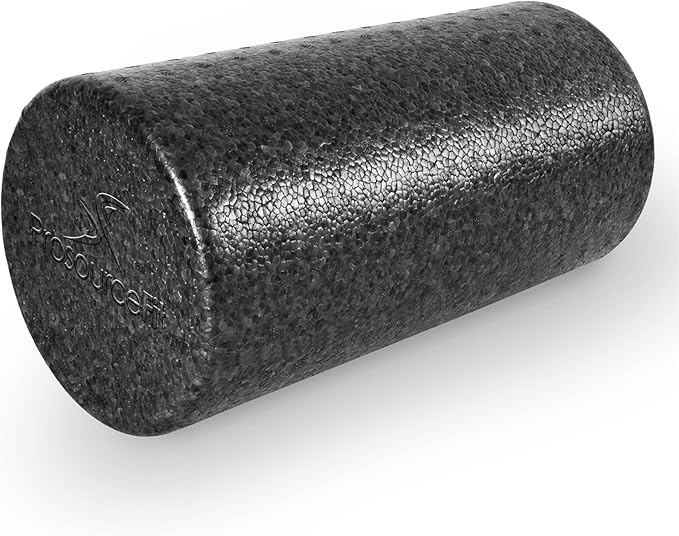
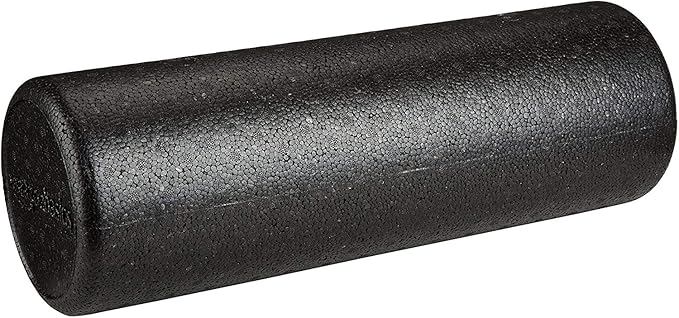
Third, don't use a lacrosse ball or a very hard roller right after a heavy session unless you are experienced with it. Your muscles are already fatigued and sensitized. A medium-density foam roller is usually the best choice for post-lifting recovery.
How to combine foam rolling with other recovery methods
You can pair foam rolling with gentle stretching for a more effective cool-down. After rolling a muscle group, move it through its full range of motion—like a deep lunge after rolling your quads. This helps your nervous system 'reset' and maintains the mobility gains you just created.
If you have access to heat, a warm bath or a heating pad 15 minutes after rolling can further relax tight tissue. Cold therapy works better for acute inflammation, not the general tightness you feel after a heavy lift, so save ice baths for specific injury management.
When not to foam roll after lifting
There are times when foam rolling is not the right choice. If you have a known muscle strain, a recent injury, or any area that is swollen or hot to the touch, skip the roller. Foam rolling can aggravate acute tissue damage. Similarly, if you feel unusually sore or if a muscle feels 'locked up' in a way that isn't typical for you, it is better to rest and see a professional rather than try to roll it out yourself.
Heavy lifters who train with high frequency (five or more sessions a week) should also be careful not to overdo it. Rolling the same muscle groups daily can create excessive tissue irritation. One or two well-done sessions per muscle group per week is usually sufficient.
Building a sustainable habit
The most practical advice for foam rolling after a heavy lifting session is to keep it simple and consistent. You don't need a 20-minute routine every time. Even three to five minutes of targeted work on your most taxed areas can yield benefits over the long term. Keep your roller accessible—right next to your gym bag or in your living room—so there are no barriers to doing it.
Listen to your body. Some sessions will leave you feeling looser and ready to move; other days you might only get a few rolls in before you stop. That is fine. The goal is not to eliminate all soreness, but to help your body transition out of a high-effort state and back to daily life a little more smoothly.
If you are new to foam rolling, start gently and give yourself two to three weeks to learn how your body responds. By that point, you will have a clear sense of which techniques help you the most and which you can skip.