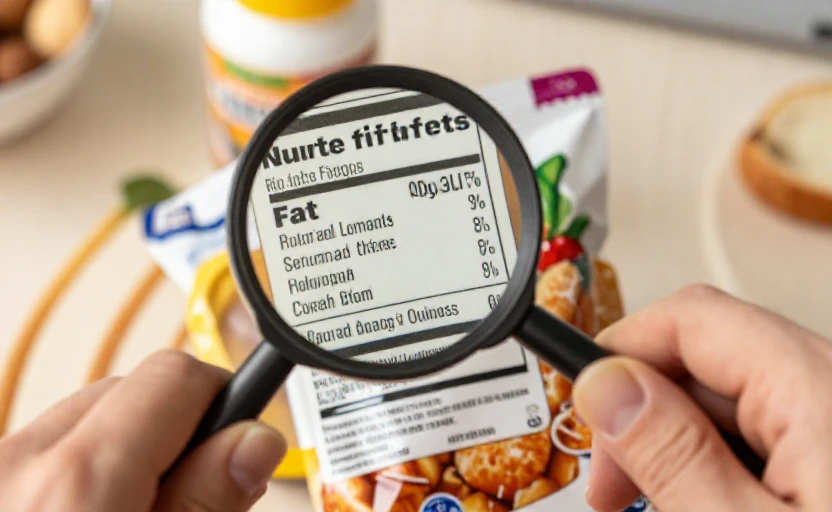
Navigating a nutrition label can feel like deciphering a secret code, especially when it comes to fats. For years, we were told to fear all fat, but now we know that certain fats are essential for our health. The key isn't to avoid fat altogether, but to learn how to spot the beneficial ones that support your heart, brain, and overall well-being. This guide will walk you through the simple steps to find healthy fats on any label, turning confusion into confidence.
Understanding the Fat Section
Start by looking at the "Total Fat" line. This number is the sum of all the different types of fat in one serving. The real story, however, is told in the breakdown directly beneath it. Here, you'll find the amounts of saturated fat and trans fat. Dietary guidelines suggest limiting these, as they can raise LDL ("bad") cholesterol levels. Your focus should then shift to the fats that aren't always listed but are often present: monounsaturated and polyunsaturated fats.
You can calculate unsaturated fats by subtracting saturated and trans fats from the total fat.
The Fats to Favor: Unsaturated Fats
These are the heart-healthy stars. They help reduce inflammation, support brain function, and can improve cholesterol levels. While they may not always have their own line on the label, you can find them by looking at the ingredient list and doing a little math.
Monounsaturated Fats
These fats are typically liquid at room temperature. Look for them in the ingredients list. Common sources include:
- Olive oil, avocado oil, and canola oil
- Nuts like almonds, cashews, and peanuts
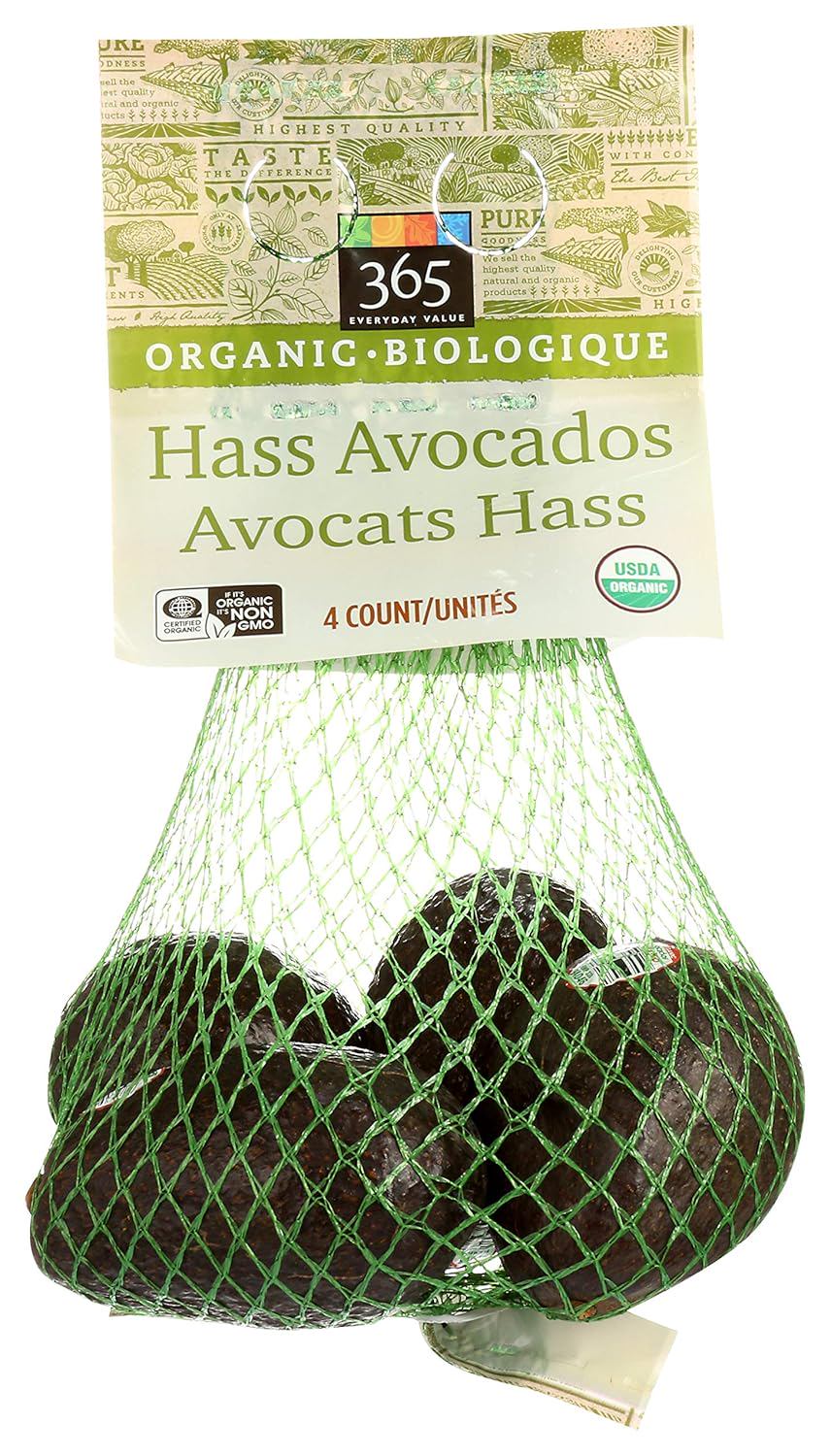
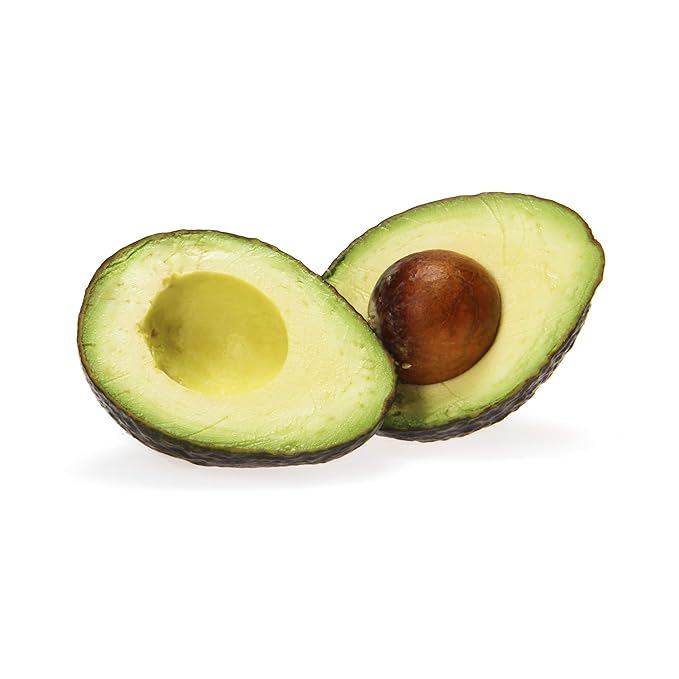
- Avocados
Polyunsaturated Fats
This category includes essential fats your body cannot make on its own, namely omega-3 and omega-6 fatty acids. They are crucial for cell function and heart health. Key sources often listed in ingredients are:
- Sunflower, corn, soybean, and flaxseed oils
- Walnuts and sunflower seeds
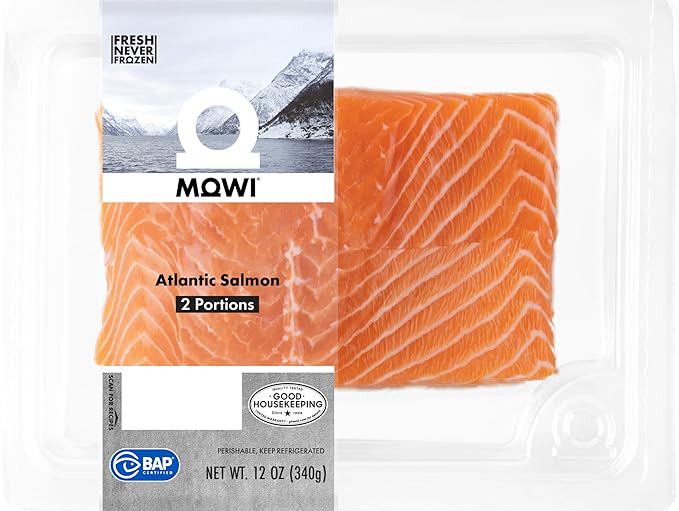
- Fatty fish like salmon and mackerel (in canned or packaged forms)
The Fats to Limit
Being label-savvy also means knowing what to consume less of. These fats are explicitly listed for a reason.
Saturated Fat: Found primarily in animal products and some tropical oils. While some recent studies have nuanced the view, major health organizations still recommend keeping intake moderate. Check for sources like coconut oil, palm oil, butter, cheese, and fatty cuts of meat.
Trans Fat: The most important fat to avoid. Created through hydrogenation, it raises bad cholesterol and lowers good cholesterol. The FDA has banned partially hydrogenated oils, but products with less than 0.5 grams per serving can be labeled as "0g trans fat." Always scan the ingredient list for "partially hydrogenated oils" to be sure.
A Practical Walkthrough: Reading a Label
Let's apply this. Imagine you're comparing two brands of almond butter.
- Check Total Fat: Both show 16g per serving.
- Examine Saturated Fat: Brand A has 2g, Brand B has 1.5g.
- Scan for Trans Fat: Both say "0g." Now, glance at the ingredients. Brand B lists "partially hydrogenated cottonseed oil," meaning it contains trace trans fats. Brand A's ingredients are just almonds and salt.
- Identify Healthy Fats: For Brand A, with 2g saturated fat and 0g trans fat, you can infer that roughly 14g of the fat is the healthy unsaturated kind from almonds. Brand B is less clear due to the added oil.
In this case, Brand A is the clearer choice for healthy fats.
Putting It Into Practice
You don't need a nutrition degree to make better choices. Start by prioritizing whole foods—nuts, seeds, avocados, and fish—which naturally contain healthy fats. When buying packaged goods, make it a habit to glance at the fat breakdown and ingredient list. Choose items with higher unsaturated fats (implied by lower saturated fat and no trans fats) and simple, recognizable ingredients. Over time, identifying sources of good fat becomes second nature, empowering you to make informed decisions that truly nourish your body.