You know the feeling. You want to crush your workout, but you still need to eat something. Eat too much, or the wrong thing, and you’re stuck with a sloshing stomach, cramping, or that heavy, sluggish feeling that makes every rep a drag. Skip the meal entirely, and you risk bonking halfway through your set.
Getting the pre-workout meal right isn’t about rigid rules or complicated recipes. It’s about understanding a few simple principles: timing, portion, and the right mix of nutrients. This guide will walk you through exactly how to build a pre-workout meal that fuels your performance without weighing you down.
Why Your Pre-Workout Meal Matters
Think of food as your body’s fuel. When you exercise, your muscles need readily available energy – mostly from carbohydrates – to contract and perform. Without that fuel, you’ll feel weak, dizzy, and lack the power to push through. But if you eat a meal that’s too high in fat, fiber, or protein too close to your workout, your body diverts blood flow to your digestive system to break it all down, leaving less oxygen and energy for your working muscles. The result? Cramps, nausea, and that dreaded heavy feeling.
The goal is to provide a quick, easily digestible source of energy that sits light in your stomach and gets to work fast.
The Golden Window: Timing Your Meal
Timing is everything. Here’s a simple rule of thumb for when to eat before training:
- 2–3 hours before: A balanced meal with carbs, lean protein, and a little healthy fat. Think a turkey sandwich on whole-wheat bread, or a bowl of oatmeal with berries and a scoop of protein powder.
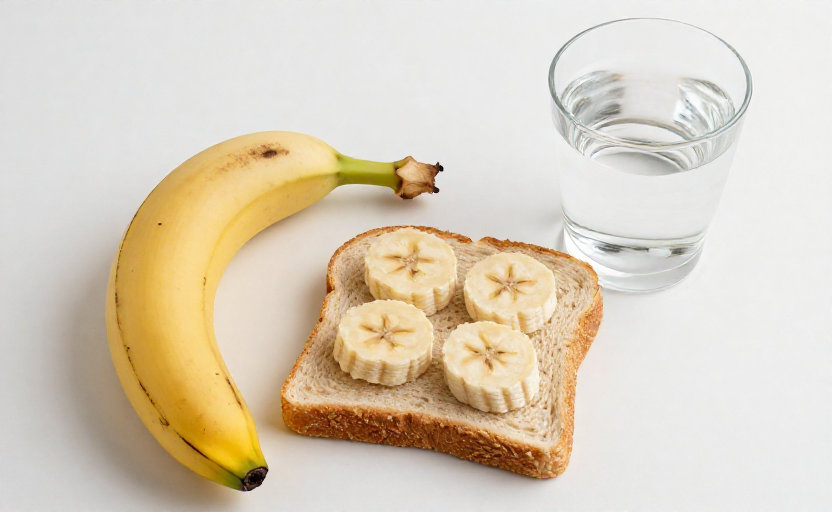
- 30–60 minutes before: A small, carb-focused snack. This is your sweet spot for quick energy. Think a banana, a handful of pretzels, or a small slice of toast with jam.
If you’re someone who gets nervous or has a sensitive stomach, lean toward the longer end of the timing range, or stick with the smallest snack possible.
What to Eat: The Core Building Blocks
The ideal pre-workout meal is built on two main pillars: carbohydrates and a touch of protein. Forget the heavy fats and huge fiber loads.
Carbohydrates: Your Primary Fuel
Carbohydrates are broken down into glucose, which is stored in your muscles as glycogen. During exercise, your body taps into these glycogen stores for energy. Simple, easily digestible carbs are your best friend before a workout. They digest quickly and provide a fast energy spike without causing stomach upset.
Good sources include:
- A ripe banana
- A handful of raisins or dates
- A small apple or a few apple slices
- A slice of white or sourdough toast with a thin spread of jam
- A small bowl of plain, low-fiber cereal (like Rice Krispies) with skim milk
- White rice or white pasta (if you have enough time to digest)
Protein: A Supporting Role
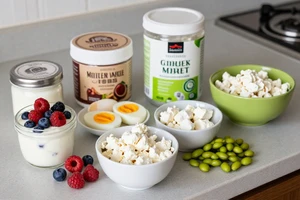
A small amount of protein before training can help reduce muscle breakdown during your workout and improve recovery afterward. But keep it light. Too much protein can be hard to digest and cause discomfort. Think 10–20 grams at most.
Easy protein options:
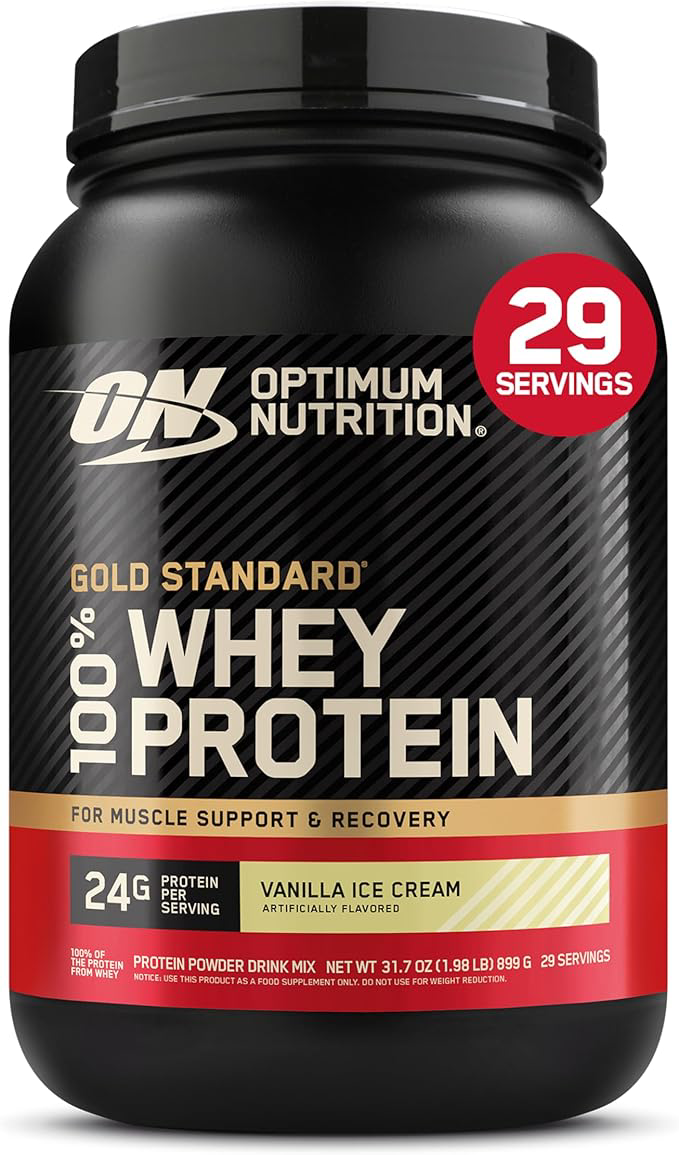
- A small scoop of whey or plant-based protein powder in water
- A few slices of turkey or chicken breast
- A hard-boiled egg (skip the yolk if you’re very sensitive)
- A small cup of Greek yogurt (watch for added sugars)
A good pre-workout meal is like a reliable friend: present, supportive, and ready to get down to business without a lot of fuss.
What to Avoid (Mostly)
Some foods are notorious for causing digestive issues during exercise. It’s best to skip them in the 2–3 hours before your workout:
- High-fat foods: Fried foods, fatty cuts of meat, creamy sauces, and heavy oils slow digestion and can cause nausea.
- High-fiber foods: Beans, broccoli, cauliflower, bran cereal, and big salads are great for overall health, but they take a long time to digest and can lead to bloating and gas during your workout.
- Spicy foods: They can cause heartburn or stomach irritation.
- Large portions: Even healthy foods in large amounts will sit like a brick in your stomach.
Sample Pre-Workout Meals and Snacks
To make things easy, here are a few tried-and-true combinations tailored to different workout times.
If you have 2+ hours before your workout:
- A turkey and cheese sandwich on whole-wheat bread with lettuce and tomato.
- Grilled chicken breast with a small serving of white rice and steamed carrots.
- A bowl of oatmeal with a half-cup of mixed berries and a tablespoon of chopped almonds.
If you have 30–60 minutes before your workout:
- A banana and a small handful of pretzels.
- A slice of toast with a thin layer of peanut butter (use a measuring spoon to keep it light).
- A single-serving packet of instant oatmeal (plain) with a drizzle of honey.
- A small smoothie made with half a banana, a scoop of protein powder, and water.
Hydration: The Overlooked Fuel
Water is a crucial part of your pre-workout meal. Being even slightly dehydrated makes you feel sluggish, weak, and can cause headaches. Aim to sip water steadily through the hours before your workout, finishing about 8–16 ounces about 15–30 minutes before you start. Don’t chug it all at once, or you’ll feel sloshy.
For most people, plain water is all you need. Sports drinks are only necessary for long, intense sessions lasting over an hour, especially in the heat.
Listen to Your Body
The guidelines above are a great starting point, but everyone’s digestive system is unique. What works for your training partner might not work for you. The best way to find your perfect pre-workout meal is to experiment.
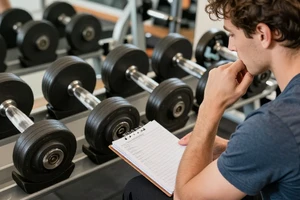
- Keep a simple log: Write down what you ate, how long before your workout, and how you felt during your session. Did you have energy? Did you feel any stomach upset?
- Try different foods: Test a banana one day, a slice of toast another, a small smoothie the next. Notice the differences.
- Adjust portion sizes: If a whole banana feels like too much, try half. If a slice of toast isn’t enough fuel, try adding the jam.
With a little trial and error, you’ll find what makes you feel light, energized, and ready to perform at your best. That’s the only “right” pre-workout meal for you.