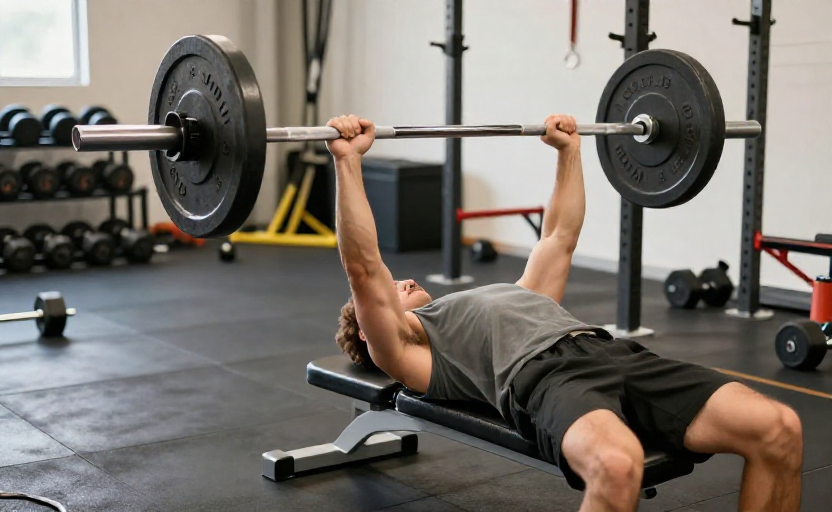
For lifters who live for the clang of a deadlift or the grind of a heavy squat, bodyweight training can feel like a step backward. It is easy to dismiss push-ups and lunges as warm-up filler. But when you add them deliberately to a program built around barbells and dumbbells, those foundational moves can unlock new levels of strength, stability, and endurance that weights alone cannot reach.
This is not about replacing your heavy compound lifts. It is about weaving bodyweight work into the margins and finishing touches of your training day. Done right, it fills gaps, reinforces movement patterns, and helps you recover better between heavy sets.
Where bodyweight moves fit in a lifting session
The mistake many lifters make is treating bodyweight exercises as their whole warm-up, then ignoring them until cool-down. A smarter approach is strategic placement throughout the workout.
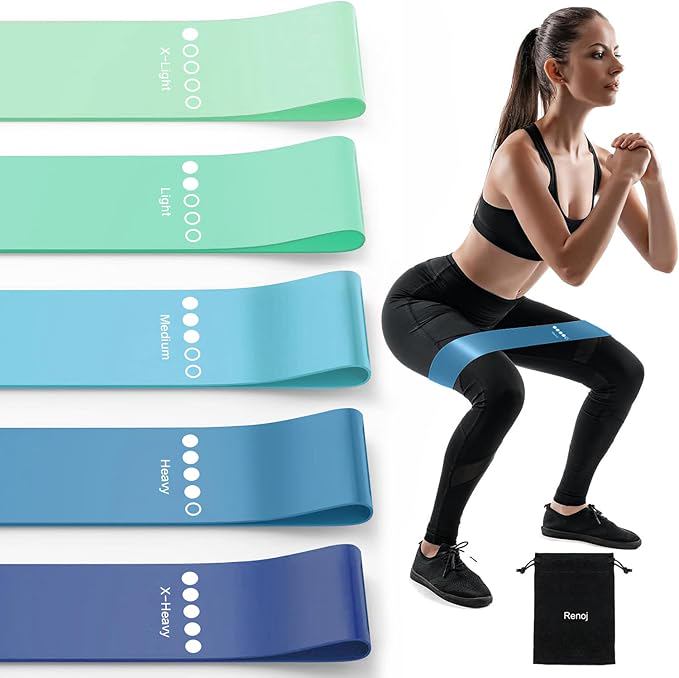
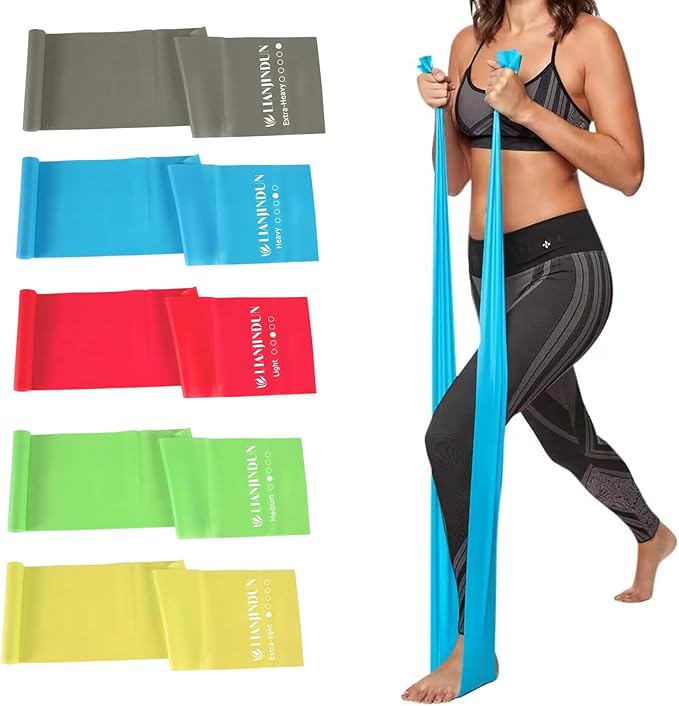
Before heavy sets, use bodyweight versions of your main lift to activate the exact muscles you are about to load. Think glute bridges before squats, scapular push-ups before bench press, or band pull-aparts before overhead work. These low-load patterns wake up the nervous system without draining energy.
Between heavy sets, bodyweight moves can serve as active recovery. Instead of sitting on a bench for three minutes, perform a slow set of inverted rows or bird-dogs. This keeps blood flowing to the working muscles and maintains a degree of core tension that can carry into your next heavy set.
A simple rule: use bodyweight work to prime before the lift, move between sets, or finish after the main workload.
Turning weaknesses into strengths
Heavy lifting tends to expose weak links. A squat may stall not because your quads lack strength, but because your glute medius or core cannot stabilize the load. Bodyweight exercises are an ideal tool to isolate and fix those chinks in the armor.
For instance, single-leg work such as Bulgarian split-squats or single-leg glute bridges can correct left-right imbalances that barbells allow you to mask. Planks, dead bugs, and suitcase carries build the trunk stability that makes a heavy squat feel tight and secure. Pull-up negatives and scapular retractions upgrade your back strength for rows and deadlifts.
Rather than adding more weight to a movement that exposes a weakness, spend four to six weeks adding targeted bodyweight accessories. When you return to the heavy lift, the improved foundation often translates into a new personal record.
Practical programming patterns
You do not need to overhaul your entire split to incorporate bodyweight work. Here are three proven ways to layer it in without disrupting your heavy focus.
The finisher circuit
After your main barbell or dumbbell work, close the session with a short circuit of bodyweight moves. Keep it to 5–10 minutes. Examples include three rounds of maximal rep push-ups, ring rows, and hollow-body holds, or a ladder of pull-ups and pistol squat progressions. This adds volume without taxing your central nervous system the way additional heavy sets would.
Superset with lighter loads
Pair a heavy compound lift with a bodyweight movement that targets a complementary muscle group. For example, after a set of heavy bench press, immediately do a set of band pull-aparts or face pulls. After a set of deadlifts, perform a set of hanging knee raises. This keeps your workout dense without adding time.
The mobility-strength blend
Use controlled bodyweight movements as a replacement for static stretching on your warm-up or off days. Deep bodyweight squats held at the bottom, couch stretches, and glute marches improve range of motion while building strength at end ranges of motion. Over weeks, this increases the depth and safety of your heavy squats and presses.
Progressing bodyweight moves when they get easy
Bodyweight work has a reputation for plateauing quickly, but that is only true if you do not know how to add difficulty. For lifters accustomed to progressive overload with plates, the same principle applies to bodyweight: change the leverage, reduce stability, or increase time under tension.
Push-ups become harder when you elevate your feet or add a slow three-second eccentric. Pull-ups gain new stimulus when you use a wider grip or pause at the top. Lunges transform when you add a rear-foot elevation (Bulgarian split-squat style) or a slow, controlled descent. Core work like planks progresses through arm lifts, leg lifts, or moving into side-plank variations.
The goal is to find the version of each movement that challenges you in the 8–15 rep range with clean form. If you can knock out twenty perfect push-ups, move to a harder variation before adding weight vests or bands.
Recovery and the lighter side of heavy training
Hard lifters often struggle with recovery because they measure training intensity purely by how much weight is on the bar. Bodyweight work offers a way to train movement quality and blood flow when your central nervous system needs a break.
On deload weeks, or after a particularly heavy block, replace one or two lifting sessions with a full bodyweight routine. This keeps your body in a training rhythm, reinforces motor patterns, and flushes out metabolic waste without the skeletal and neural strain of heavy loads. When you return to heavy lifting, you will feel fresher and more connected to your body's positioning.
Likewise, if you travel or have limited equipment access, knowing how to get a productive training effect from only your bodyweight means you never have to skip a workout. A circuit of pistols, archer push-ups, and hanging knee raises can maintain your strength for up to two weeks.
Mindset shift: bodyweight as an investment
The most common barrier lifters face is pride. It can feel regressive to drop to the floor for push-ups when you can bench press a respectable number. But viewing bodyweight work as light work misses the point. These are loaded movements in their own right, with your own mass as the resistance. A controlled one-arm push-up or a pistol squat requires strength-to-bodyweight ratios that many heavy lifters lack.
Treat these exercises as investments in the longevity and balance of your lifting career. They improve joint health, reinforce midline stability, and build the type of muscular endurance that lets you train harder for longer. The strongest lifters in the gym are often the ones who respect both heavy loads and the humble push-up.