Acid reflux can turn a perfectly good day into an uncomfortable one. The burning sensation, the indigestion—it’s something most of us have dealt with at some point. While it's true that certain foods can make things worse, the right choices can actually help calm things down. Here’s a look at some simple, natural options that may help reduce stomach acid and bring relief.
Cold Milk: A Classic Soothe
Cold milk is one of the most straightforward home remedies for acidity. If you’re not lactose intolerant, the calcium in milk can help neutralize excess stomach acid, offering quick relief from that burning feeling. A glass of cold milk when symptoms flare up is often all you need. Just keep it simple—no added sugar or flavorings.
Carom Seeds (Ajwain)
Ajwain has long been used in traditional kitchens to ease abdominal discomfort. The active compound thymol, along with other enzymes in these seeds, can aid digestion and reduce the symptoms of acid reflux. You can chew a small pinch directly, perhaps with a little salt, or soak a tablespoon in water overnight and drink the infused water in the morning.
Apple Cider Vinegar
It might sound counterintuitive to use an acidic product for acid reflux, but raw, unfiltered apple cider vinegar (ACV) can sometimes help balance stomach pH. The idea is that a lack of stomach acid—rather than an excess—can sometimes be the root of indigestion. To try it, dilute one to two tablespoons of ACV in a cup of water and drink it before a meal. Start with a smaller amount to see how your body responds.
Basil Leaves (Tulsi)
Basil is more than just a flavorful herb. It has natural soothing properties that can help calm the stomach lining and reduce acid formation. Chewing on a few fresh leaves during the day is an easy way to get its benefits. You can also steep them in hot water for a mild tea.
Fennel Seeds (Saunf)
Fennel seeds are a well-known digestive aid. They can help relieve the bloating, stomach ache, and heartburn that often accompany acid reflux. A small handful chewed after a meal, or a mix of fennel seeds with mishri (a type of rock sugar), can support smoother digestion.
Non-Citrus Fruits
Fruits that are low in acid can be a gentle choice when you're managing reflux. Bananas, apples, and melons like watermelon, honeydew, and cantaloupe are all good options. They’re also rich in fiber, which helps keep the digestive system running smoothly. For best results, eat them when they are ripe and in their natural state.
Coconut Water
Unsweetened coconut water is a hydrating, electrolyte-rich drink that can help shift your body’s pH balance from acidic to more alkaline. The potassium in coconut water is particularly helpful for controlling acid levels. Stick to plain, fresh coconut water without added sugars or artificial flavors.
Ginger
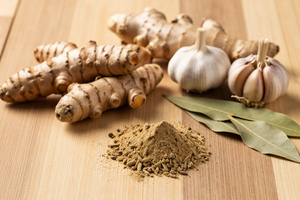
Ginger is a well-researched remedy for nausea and indigestion. Its natural anti-inflammatory properties can help reduce the irritation in the esophagus and stomach that contributes to heartburn. You can grate it into dishes, steep slices in hot water for tea, or even chew on a small piece of fresh ginger. It’s a versatile option to keep in your kitchen.
A quick note: These are general dietary suggestions, not a substitute for medical advice. If your acid reflux is persistent or severe, a healthcare provider can help identify the underlying cause and the right treatment plan for you.