Healthy fat is essential—for hormone production, vitamin absorption, and steady energy. But knowing exactly how much to eat in a single serving can trip anyone up. Serving sizes on nutrition labels are often confusing, and the difference between a "serving" and a "portion" gets blurred. If you've ever stood over the kitchen counter, wondering if that handful of almonds is one serving or two, this explainer is for you.
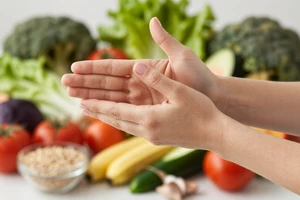
We are not going to prescribe exact grams or give you a rigid meal plan. Instead, we want you to walk away with a clear, visual sense of what one serving of healthy fat looks like, using everyday objects and your own hand as a guide. This is about building a reliable internal reference so you can make confident choices without pulling out a scale every time.
Why Serving Size Matters for Fat
Fat is calorie-dense—nine calories per gram, compared to four for carbs and protein. A little goes a long way, and it's easy to consume two or three servings without realizing it. This doesn't mean you should fear fat. Quite the opposite: getting enough high-quality fat is critical for health. The trick is learning to eyeball a single serving effortlessly.
Think of this as a mental anchor. Once you know what one serving looks like for your favorite fat sources, you can build a plate, snack, or meal with the right balance. Let's break down the most common sources of healthy fat.
Nuts and Seeds: The Handful Rule
Nuts and seeds are nutrient-dense and portable, making them an easy go-to. A single serving of most nuts is about one ounce, which fits neatly into an open palm—roughly a small handful.
- Almonds: About 23 whole almonds. That's a small, cupped handful.
- Walnuts: Because they're larger and more irregular, a serving is about 14 walnut halves, or roughly the size of a golf ball.
- Pistachios: About 49 shelled pistachios—yes, count them once, then eyeball it later.
- Pumpkin seeds: A rounded tablespoon, or about the volume of a matchbook.
- Chia seeds and flaxseeds: One serving is usually 1 to 2 tablespoons, about the size of a ping-pong ball.
Quick visual cue: For any whole nut, your cupped hand is your measuring cup. No need to overthink it.
Oils: The Thumb-and-Tablespoon Test
Oils like extra-virgin olive oil, avocado oil, and coconut oil are common cooking fats. A single serving is one tablespoon. This is where things get messy—literally and figuratively—if you're just pouring from the bottle.
To visualize one tablespoon: it's about the size of your thumb (from the knuckle to the tip). Or, imagine a full, single-scoop ice cream scoop's worth if you were to pour it into a measuring spoon.
For salad dressing or drizzling: Use a kitchen spoon (not a serving spoon) to measure once. That tablespoon is roughly the amount you'd fit into a standard shot glass one-sixth full. After a few times, you'll be able to drizzle confidently without overshooting.
Avocado: The One-Third to One-Half Rule
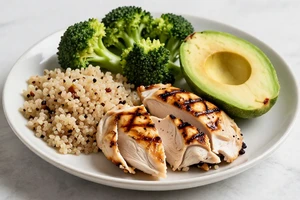
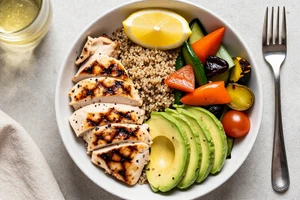
Avocados are dense in monounsaturated fat, but they vary wildly in size. A standard medium Hass avocado contains about three servings of fat. So, one serving of avocado is about one-third to one-half of that whole fruit.
Visually, that's roughly a slice that's as long as your thumb and about as thick as two stacked fingers at the widest part. If you slice it into quarters lengthwise, one quarter of a medium avocado is a very close approximation of a single serving.
Nut and Seed Butters: The Golf Ball Visual
Peanut butter, almond butter, tahini, and sunflower seed butter are all calorie-dense spreads. A serving is two tablespoons. That's about the size of a golf ball or a standard travel-sized shampoo bottle cap (the round kind).
If you're spreading it on toast, that two-tablespoon serving covers a standard slice of whole-grain bread in a thin, even layer. Smear it on thick, and you're doubling up. When in doubt, scoop with a measuring tablespoon once, then rely on the visual of the golf ball.
Full-Fat Dairy and Cheese
If you include dairy in your diet, full-fat versions provide healthy saturated fats, but portion control is still key.
- Hard cheese: A single serving is about one ounce, which looks like a pair of dice or your whole thumb (from base to tip).
- Soft cheese (ricotta, cottage cheese, soft goat cheese): One-half cup is a standard serving. That's about the size of a tennis ball.
- Full-fat yogurt (Greek or regular): One cup (or one small single-serving container) is usually one serving—but check the label, as some brands use ¾ cup.
Fatty Fish: The Palm of Your Hand
Fatty fish like salmon, mackerel, and sardines are prized for their omega-3 content. A serving of cooked fish is about three to four ounces, which looks like the palm of your hand (not including your fingers). In thickness, it's about the same as a deck of cards or a small smartphone.
For canned fish (like sardines or salmon), one 3.75-ounce can drained is roughly one serving.
Dark Chocolate: One to Two Squares
Yes, dark chocolate (70% cacao or more) contains healthy fat and antioxidants. A serving is typically one ounce, which is about one or two standard squares from a full-sized bar, depending on the brand. That little square is roughly the size of a standard Post-it note's sticky strip.
It's small, but the richness means it should be savored slowly.
The goal isn't perfection. It's building a reliable mental library of what one serving of healthy fat looks like. Start with one or two common sources from the list above. Measure them once with a spoon or scale, then look at your hand. In a few days, your internal reference will be strong enough that you can skip the measuring tools entirely and still stay on track.