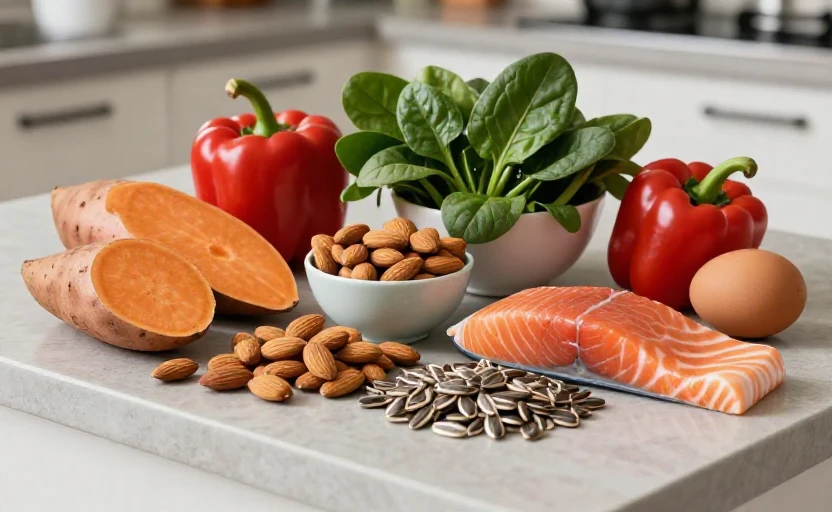
Building a healthier diet often feels like a complex puzzle, but it can start with a simple, intentional choice in the grocery aisle. Instead of focusing on what to cut out, consider what vibrant, nutrient-dense foods you can add in. A weekly shopping list anchored by a few vitamin powerhouses is a practical, sustainable way to nourish your body with the essential micronutrients it needs to thrive.
These seven foods are not exotic or hard to find; they’re staples you can easily incorporate into your regular meals. Each brings a unique profile of vitamins to the table, supporting everything from your immune system and energy levels to your skin health and vision.
Why focus on vitamins from food?
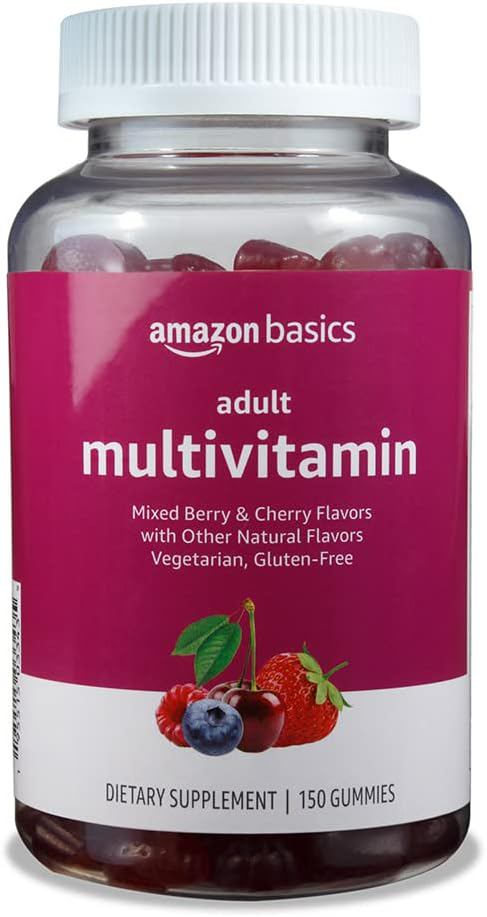
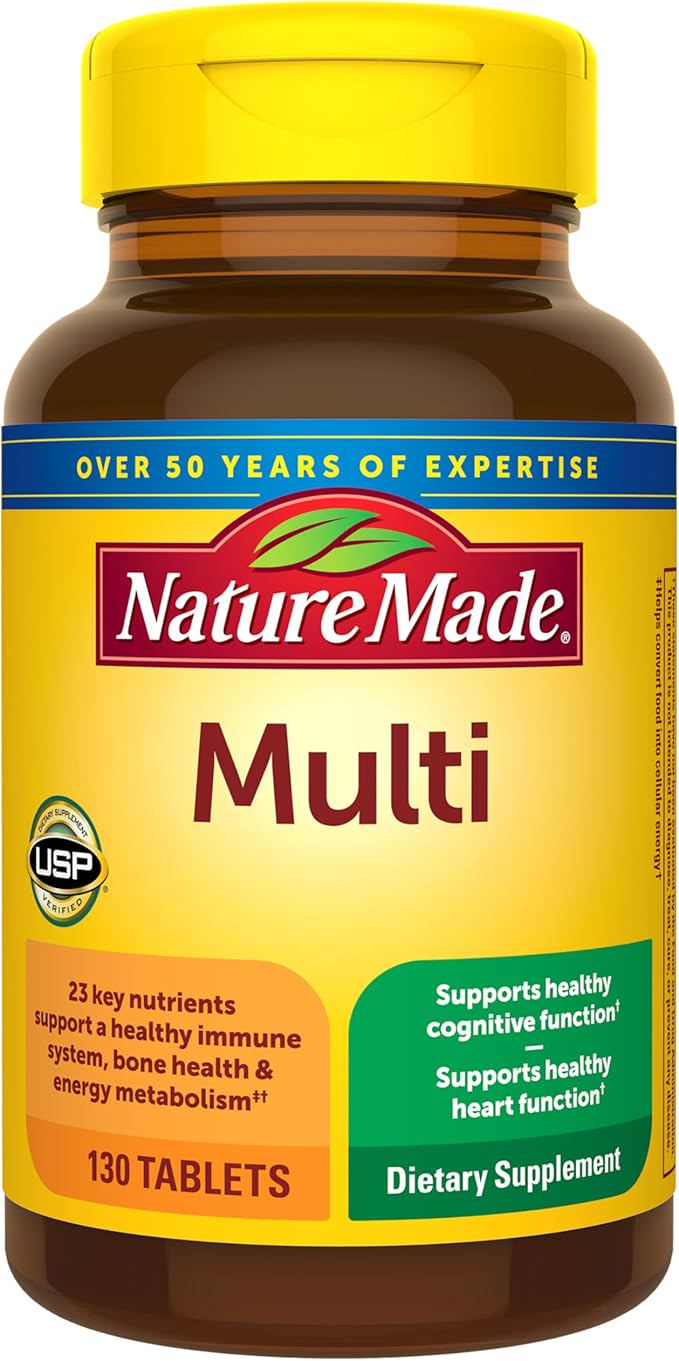
While supplements have their place in specific circumstances, vitamins from whole foods come packaged with a symphony of other beneficial compounds—like fiber, antioxidants, and minerals—that work together in ways a pill often can’t replicate. This synergy helps your body absorb and utilize the nutrients more effectively. Adding these foods to your cart is an investment in foundational wellness.
1. Sweet Potatoes
A single medium sweet potato can provide well over 100% of your daily vitamin A needs in the form of beta-carotene. This powerful antioxidant is crucial for healthy vision, a robust immune system, and glowing skin. Their natural sweetness makes them versatile, perfect for roasting, mashing, or even blending into soups.
Tip: Pair them with a small amount of healthy fat, like a drizzle of olive oil, to enhance the absorption of beta-carotene.
2. Bell Peppers (Especially Red)
Color is a great indicator of nutrient density, and red bell peppers are a standout. They are exceptionally high in vitamin C, even more so than many citrus fruits. Vitamin C is a key player in collagen production for skin and joint health, iron absorption, and immune function. Slice them for crudités, stir-fry them, or roast them to bring out their sweetness.
3. Spinach
This leafy green is a true multivitamin in plant form. It’s an excellent source of vitamin K for bone health, folate for cell repair, and vitamin A. It also provides a good amount of vitamin C and iron. Whether you add a handful to a morning smoothie, wilt it into pasta, or use it as a salad base, spinach is an easy nutritional upgrade.
4. Almonds
For a vitamin E powerhouse, look no further than a handful of almonds. Vitamin E is a fat-soluble antioxidant that helps protect your cells from damage. Almonds also provide healthy fats, protein, and magnesium. Keep a small container at your desk for a satisfying snack, or sprinkle slivered almonds over yogurt or salads.
5. Eggs
Often called nature’s multivitamin, eggs are a complete protein and a reliable source of several B vitamins, including B12 and riboflavin (B2), which are essential for energy metabolism and brain health. They also contain vitamin D, which can be hard to get from food alone. Don’t skip the yolk—that’s where most of the vitamins and minerals reside.
6. Salmon
Fatty fish like salmon are one of the few natural food sources rich in vitamin D, a nutrient vital for bone health, mood regulation, and immune support. Salmon is also packed with high-quality protein and omega-3 fatty acids. Aim to include it in your meals once a week, whether grilled, baked, or added to a grain bowl.
7. Sunflower Seeds
These tiny seeds are surprisingly mighty. They are another fantastic source of vitamin E, and they’re also rich in B vitamins like thiamine (B1) and B6, which support nerve function and help your body convert food into energy. Sprinkle them over salads, oatmeal, or avocado toast for a pleasant crunch and a nutrient boost.
Remember, variety is the cornerstone of good nutrition. Rotating these foods through your weekly meals ensures you get a broad spectrum of vitamins and prevents dietary boredom. Start by picking two or three from this list on your next shopping trip and build from there. Your body will thank you for the colorful, whole-food fuel.