When it comes to supporting both your heart and your brain, few nutrients are as well-studied as omega-3 fatty acids. These essential fats play a key role in reducing inflammation, supporting cognitive function, and maintaining cardiovascular health. While supplements are widely available, getting omega-3s from whole foods offers additional benefits like fiber, vitamins, and antioxidants. Here are seven omega-3 rich foods that dietitians recommend adding to your plate.
Why Omega-3s Matter for Your Heart and Brain
Omega-3 fatty acids, particularly EPA and DHA found in fish, and ALA found in plants, are known for their anti-inflammatory properties. For the heart, they can help lower triglycerides, reduce blood pressure, and decrease the risk of arrhythmias. For the brain, DHA is a structural component of brain tissue, and adequate intake is linked to better memory and a lower risk of age-related cognitive decline.
1. Fatty Fish: Salmon, Mackerel, and Sardines
Fatty fish are the most concentrated dietary sources of EPA and DHA. A 3.5-ounce serving of salmon provides about 2.2 grams of omega-3s. Dietitians suggest eating fatty fish at least twice a week. Canned sardines and mackerel are budget-friendly options that are also rich in vitamin D and selenium.
2. Walnuts
Walnuts are one of the best plant-based sources of ALA, an omega-3 that the body partially converts to EPA and DHA. A handful of walnuts (about 1 ounce) provides over 2.5 grams of ALA. They also contain polyphenols and vitamin E, which support brain health. Add them to oatmeal, salads, or eat them as a snack.
3. Chia Seeds
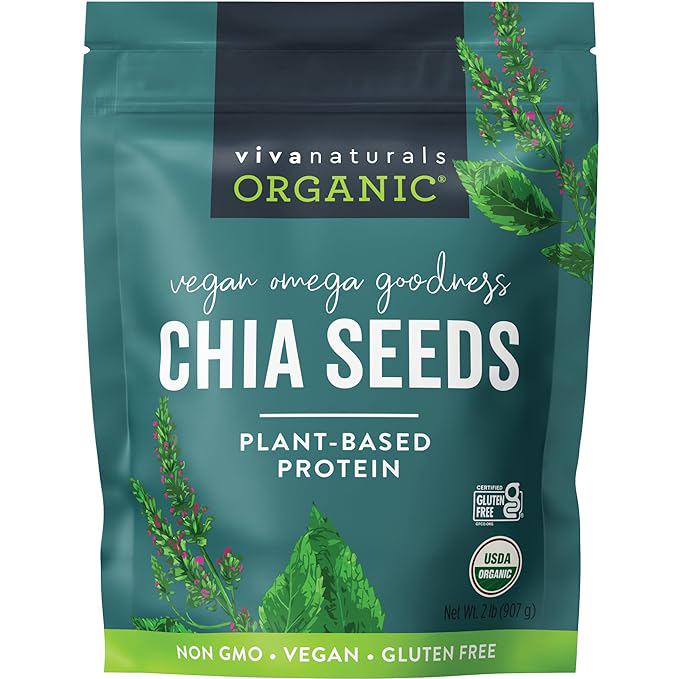
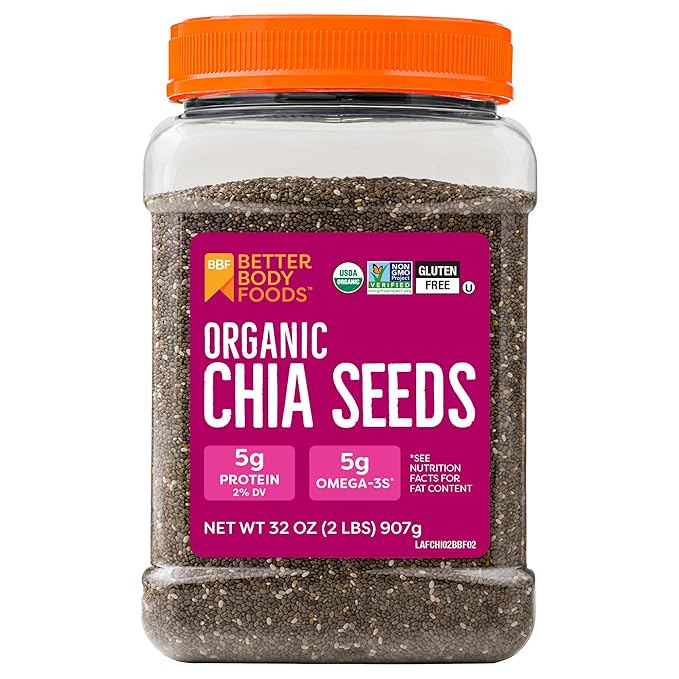
Chia seeds are tiny but mighty. Just two tablespoons deliver about 4 grams of ALA. They are also packed with fiber, which helps stabilize blood sugar and support digestion—both important for overall health. You can stir them into smoothies, yogurt, or make a chia pudding.
4. Flaxseeds
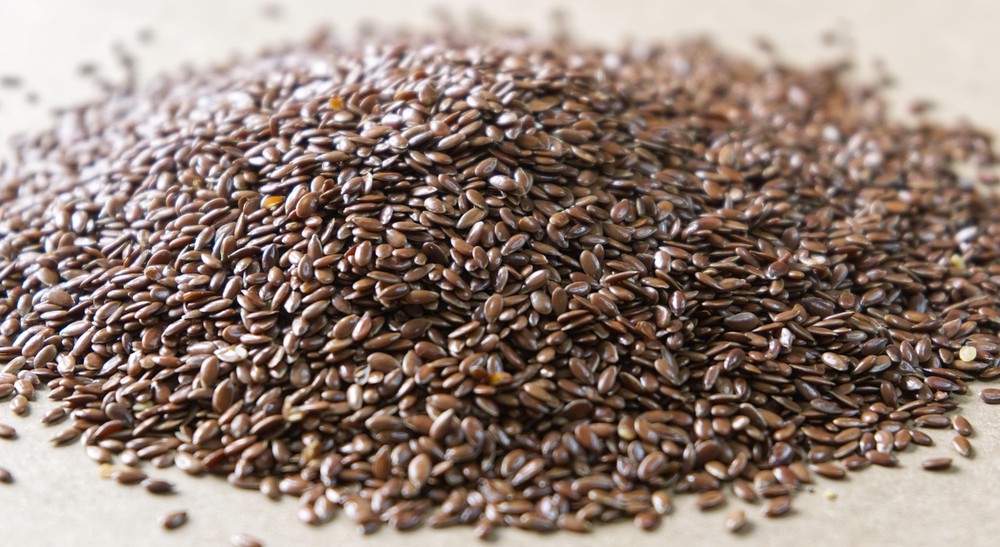
Flaxseeds are another excellent ALA source, with one tablespoon of ground flaxseed offering roughly 1.6 grams of omega-3s. Grinding the seeds helps your body absorb the nutrients better than eating them whole. Sprinkle ground flaxseed on cereal, mix into baked goods, or add to soups.
5. Hemp Seeds
Hemp seeds provide a balanced profile of omega-3 and omega-6 fats. Three tablespoons offer about 2.5 grams of ALA. They also contain high-quality protein and magnesium, which supports muscle function and relaxation. Toss them on top of salads, toast, or oatmeal.
6. Oysters and Mussels
Shellfish like oysters and mussels are surprisingly high in DHA and EPA. A 3-ounce serving of Pacific oysters provides over 1 gram of DHA and EPA combined. They are also rich in zinc and vitamin B12, which support immune function and energy metabolism. Enjoy them steamed, grilled, or in seafood stews.
7. Edamame (Soybeans)
Edamame, or young soybeans, are a versatile plant source of ALA. One cup of cooked edamame provides about 0.8 grams of ALA, along with fiber, protein, and isoflavones that may benefit heart health. Add shelled edamame to stir-fries, salads, or eat them as a snack with a sprinkle of sea salt.
A quick tip: Pair plant-based omega-3 sources like flaxseeds or walnuts with a small amount of healthy fat (like avocado or olive oil) to enhance absorption.
How Much Omega-3 Do You Need?
There is no single recommended daily allowance for omega-3s, but general guidelines suggest 1.1 grams per day for women and 1.6 grams per day for men. If you are pregnant or breastfeeding, needs are higher. Including a variety of these foods throughout the week can help you meet those targets without relying on supplements.
Putting It All Together
Building a heart- and brain-healthy diet doesn't have to be complicated. Start by incorporating one or two of these foods each day. For example, add chia seeds to your morning smoothie, snack on a handful of walnuts in the afternoon, and enjoy grilled salmon for dinner. Over time, these small changes can have a meaningful impact on your long-term health.