You show up. You grind. You track your sets. But if your training frequency has plateaued — or worse, started to slip — the culprit might not be your workout plan. Often, the subtle daily choices outside the gym are what quietly erode your ability to train often and recover well.
Training frequency isn't just about willpower. It's a physiological outcome of how well you sleep, manage stress, fuel your body, and recover. When those pillars crack, your ability to train hard on a regular schedule is the first thing to go. Below are seven habits that commonly undermine frequency gains, along with the snacks that can help plug the nutritional gaps.
1. Skimping on sleep — treating rest as optional
Sleep is the most potent recovery tool you have. When you cut it short, your central nervous system doesn't reset properly, glycogen stores don't fully replenish, and cortisol stays elevated. The result is a sluggish, low-energy training session — or skipping it entirely. Over a week, even one hour less per night can reduce your weekly training volume significantly.
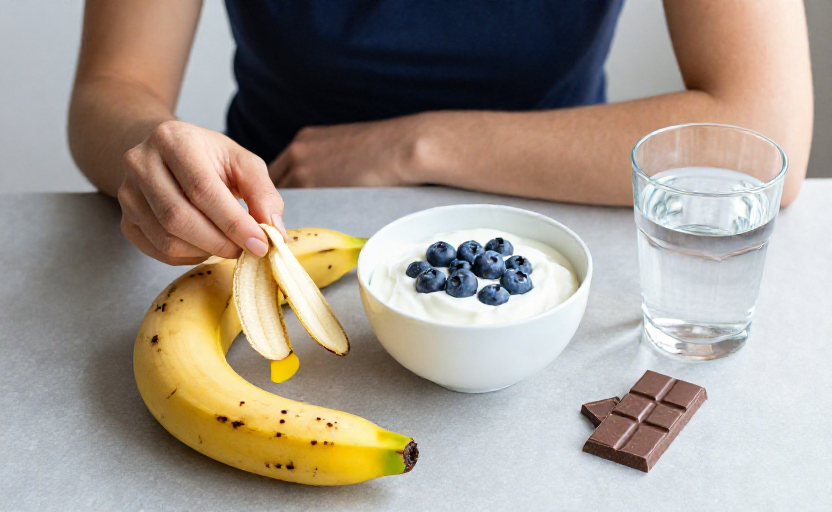
Snack that helps: a banana with almond butter. The banana provides fast-digesting carbohydrates to top off muscle glycogen before a workout, while almond butter supplies a small amount of healthy fat and protein for sustained energy. As a pre-training snack, this combo supports better performance and helps you feel ready to train, not drag through it.
2. Constant low-grade dehydration
You might think thirst is the signal — but by the time you feel thirsty, performance has already dipped. Chronic under-hydration thickens the blood, increases heart rate during exercise, and impairs your ability to regulate body temperature. This makes every rep feel harder, and that perceived effort often leads to cutting sessions short or skipping them.
Snack that helps: watermelon or cucumber slices. These are high in water content and provide potassium and magnesium, which help with muscle function and rehydration. Pair them with a pinch of salt to replace electrolytes lost through sweat. This isn't a substitute for water, but it supports better hydration status between meals.
3. Eating too close to bedtime — disrupting deep sleep
A heavy meal right before bed can spike your core temperature, increase heart rate, and cause acid reflux — all of which fragment sleep architecture. You might still sleep for seven hours, but the quality of deep and REM sleep drops. Poor sleep quality means incomplete recovery, which directly reduces your ability to train frequently the next day.
Snack that helps: a small bowl of tart cherries or a glass of tart cherry juice. Tart cherries contain melatonin and anti-inflammatory compounds that support sleep onset and muscle recovery. Keep the portion small — a half-cup of cherries or about 4 ounces of juice — to avoid digestive disruption.
4. Relying on caffeine to push through fatigue
Caffeine is a tool, not a fuel source. Using it repeatedly to mask insufficient sleep or poor nutrition creates a cycle where you crash later, sleep worse, and need more caffeine the next day. This strategy erodes your natural energy regulation and makes consistent training frequency harder to sustain over weeks and months.
Snack that helps: a hard-boiled egg with a handful of walnuts. Protein and omega-3s provide stable blood sugar and brain function support. This snack helps reduce the afternoon slump without relying on another espresso, making it easier to train later in the day without a crash.
5. Skipping post-workout nutrition — missing the recovery window
Your muscles are most receptive to nutrients in the 30 to 60 minutes after training. If you routinely skip eating after a session, muscle protein synthesis stays low, and glycogen replenishment is delayed. This means you recover slower, and by the time your next session rolls around, you might still feel fatigued or sore enough to skip it.
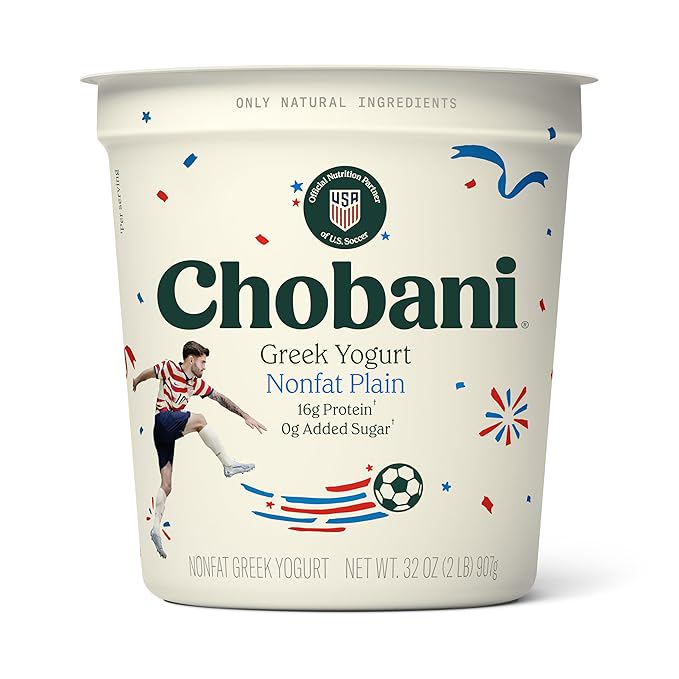
Snack that helps: Greek yogurt with a handful of blueberries. Greek yogurt delivers a solid dose of casein protein, which digests slowly and supports overnight recovery. Blueberries add antioxidants that help reduce exercise-induced oxidative stress. This combo keeps the recovery process moving so you're ready for the next training day.
6. Chronic stress — keeping cortisol chronically elevated
High cortisol suppresses anabolic hormones like testosterone and growth hormone, impairs sleep, and increases muscle protein breakdown. When you carry stress into every training session, your performance suffers, and the psychological barrier to training becomes higher. Over time, this makes you train less frequently and less intensely.
Snack that helps: dark chocolate (at least 70% cocoa) with a small apple. Dark chocolate contains flavonols that may help lower cortisol levels in response to stress. The apple provides fiber and steady-release energy. This combination can help blunt the physiological stress response without spiking blood sugar.
7. Inconsistent meal timing — causing energy swings
Going too long between meals or skipping breakfast leads to low blood sugar, poor concentration, and reduced motivation to train. Your body cannot reliably produce high-quality workouts on an erratic energy supply. The inconsistency of when you eat creates inconsistency in how you train.
Snack that helps: oatmeal with a scoop of protein powder and sliced banana. This provides a balance of slow-release carbohydrates and protein that stabilizes blood sugar for three to four hours. It's a reliable pre-training or mid-morning meal that prevents the energy dips that lead to missed sessions.
These seven habits may seem small on their own, but together they form a powerful drag on your training frequency. The good news is that each one can be addressed with small adjustments — starting with what you eat. If you notice your training frequency slipping, look first at the habits outside the gym before you blame your workout split.