After a challenging bodyweight session—whether it was push-ups, squats, lunges, or pull-ups—your muscles are primed for repair. The right post-workout meal can help speed recovery, reduce soreness, and support strength gains. Here are seven foods that deliver the protein, carbohydrates, and nutrients your muscles need most.
1. Eggs
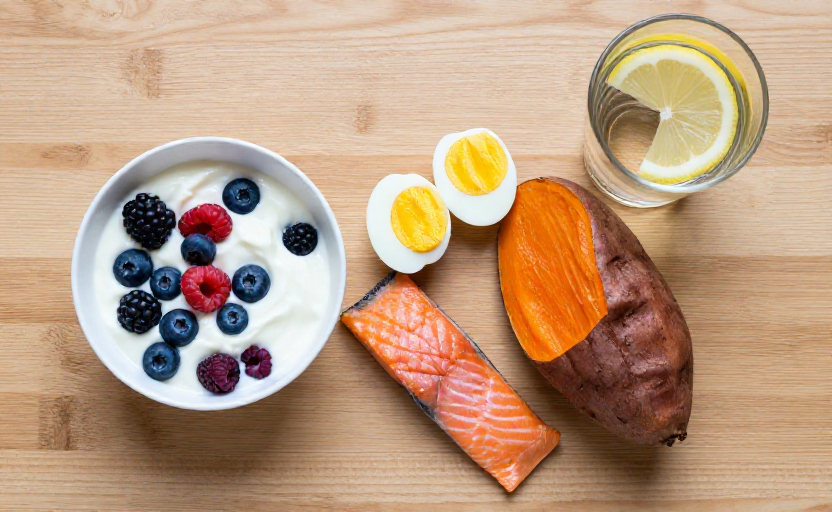
Eggs are a complete protein source, meaning they contain all nine essential amino acids your body cannot make on its own. The leucine in eggs is especially important for triggering muscle protein synthesis—the process that rebuilds and strengthens muscle tissue after a workout. A couple of hard-boiled eggs or a quick scramble with vegetables makes an easy post-training meal.
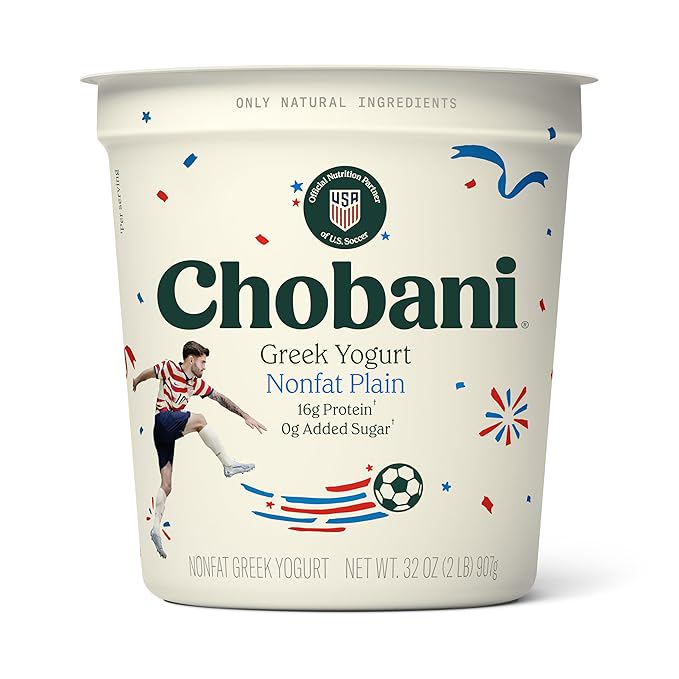
2. Greek Yogurt
Greek yogurt packs about twice the protein of regular yogurt, along with a good dose of calcium and probiotics. The casein protein in yogurt digests slowly, providing a steady stream of amino acids to your muscles over several hours—ideal after a demanding bodyweight circuit. Choose plain varieties to keep added sugars in check, and add berries or a drizzle of honey for natural sweetness and antioxidants.
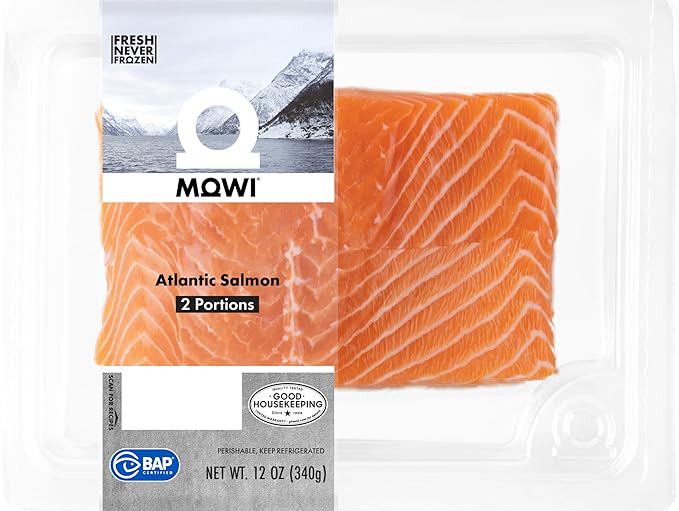
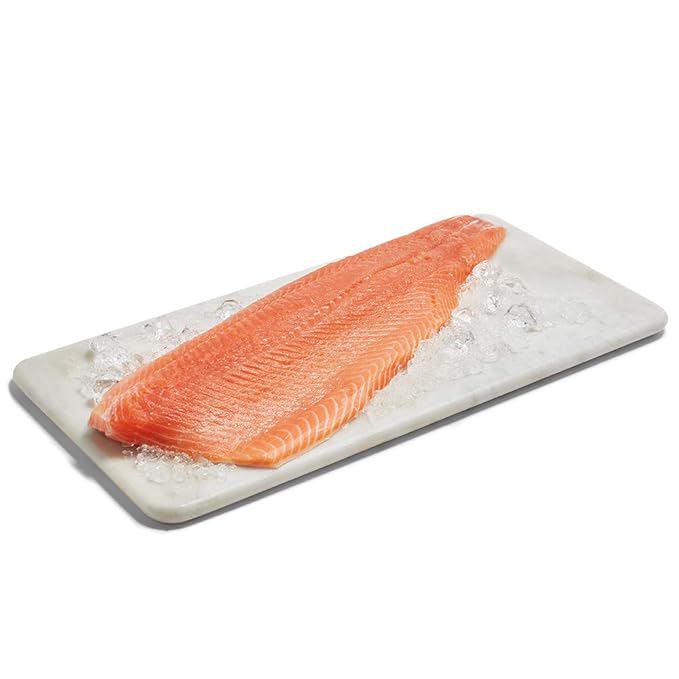
3. Salmon
Salmon offers high-quality protein plus anti-inflammatory omega-3 fatty acids, which may help reduce muscle soreness and support recovery. A serving of grilled or canned salmon on a bed of greens or whole-grain crackers provides a balanced mix of protein, healthy fats, and key minerals like selenium and potassium—lost through sweat during your workout.
4. Sweet Potatoes
Bodyweight training depletes your muscles’ glycogen stores, especially during high-rep sets or longer circuits. Sweet potatoes are a nutrient-dense carbohydrate source that restores glycogen efficiently. Their complex carbs digest steadily, helping maintain stable blood sugar. Plus, they deliver vitamin A (beta-carotene), vitamin C, and fiber—nutrients that support overall recovery and immune function after exercise.
5. Cottage Cheese
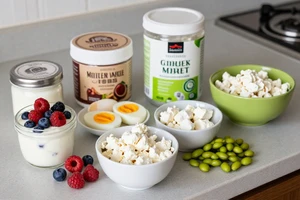
Like Greek yogurt, cottage cheese is rich in casein protein. A half-cup provides about 14 grams of protein along with calcium and B vitamins. Its mild flavor pairs well with fruit, nuts, or a sprinkle of cinnamon. This makes it a convenient, no-cook option for a quick recovery snack—especially after a morning bodyweight workout or late-evening session.
6. Bananas
Bananas are one of the most portable sources of fast-digesting carbohydrates, perfect for replenishing glycogen right after exercise. They’re also rich in potassium, an electrolyte lost in sweat that helps prevent muscle cramps and supports nerve function. Pair a banana with a handful of almonds or a scoop of protein powder for a balanced mini-meal that covers both carbs and protein.
7. Lean Chicken or Turkey
Poultry is a lean, high-quality protein that provides a generous amount of leucine and other branched-chain amino acids (BCAAs), which are directly involved in muscle repair. A grilled chicken breast or turkey slices rolled up with avocado and lettuce makes a protein-packed snack or light meal that helps rebuild muscle tissue without excess fat or calories. Aim to eat within a couple of hours after your workout for best results.
Quick Post-Workout Meal Ideas
- Scrambled eggs with sautéed spinach and a side of sweet potato wedges
- Greek yogurt parfait with sliced banana, walnuts, and a drizzle of honey
- Salmon salad on whole-grain crackers with a handful of cherry tomatoes
- Cottage cheese topped with pineapple chunks and a sprinkle of flaxseed
- Sliced turkey and avocado roll-ups with a piece of fruit
Combining a protein source with carbohydrates and a little healthy fat within 30 to 60 minutes after your bodyweight workout gives your muscles the raw materials they need for efficient repair and growth. Listen to your body—if you feel especially hungry or tired after a session, increase portion sizes slightly to match your energy expenditure.
Remember that hydration is just as important as food. Drink water before, during, and after exercise, and consider adding an electrolyte source if your workout was long or intense. Whole foods like these provide the foundation for steady progress in your bodyweight training program—supporting strength gains, recovery, and long-term consistency.