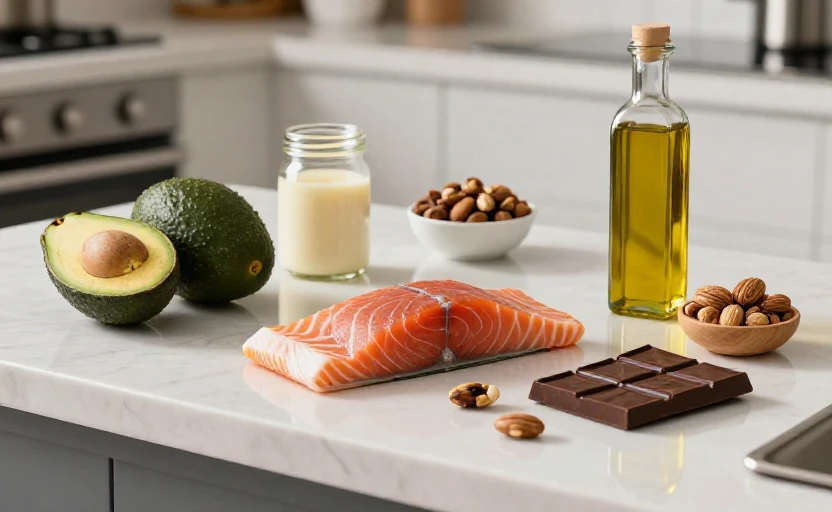
For years, dietary fat was the villain of the nutrition world. But a significant shift in understanding has revealed that not all fats are created equal. In fact, incorporating the right kinds of fat is essential for energy, nutrient absorption, hormone production, and even satiety. The goal isn't to add more fat indiscriminately, but to thoughtfully replace less beneficial fats with nourishing, health-supporting ones.
This approach is about subtle upgrades, not a complete dietary overhaul. By making a few strategic swaps in your daily meals, you can effortlessly increase your intake of monounsaturated and polyunsaturated fats—the kinds that support heart and brain health—while reducing saturated and trans fats. Here are seven practical, delicious swaps to help you do just that.
Swap Cooking Oils: Refined for Stable, High-Heat Options
Many kitchens rely on generic vegetable oils for sautéing and frying. While versatile, oils like corn, soybean, or sunflower oil (often labeled simply as "vegetable oil") are high in polyunsaturated fats, which can oxidize and break down at high temperatures, forming harmful compounds.
A simple switch is to use oils with a higher smoke point and a better fat profile for cooking. Avocado oil and refined (not extra virgin) avocado oil are excellent choices for high-heat methods like searing or stir-frying, rich in monounsaturated fats. For medium-heat cooking, light olive oil or avocado oil work beautifully. Reserve your flavorful extra virgin olive oil for dressings, drizzling, and low-heat applications to preserve its nutrients and taste.
For high-heat cooking, reach for avocado oil. For everything else, good olive oil is your friend.
Swap Your Spread: Butter or Margarine for Avocado or Nut Butter
Toast, sandwiches, and baked potatoes often get a slather of butter or margarine. While fine in moderation, this is a prime opportunity for a nutrient-dense swap.
Mashed avocado makes a creamy, satisfying spread full of fiber, potassium, and monounsaturated fats. A sprinkle of salt, pepper, and chili flakes can elevate it instantly. Alternatively, for a sweet twist, try almond or peanut butter (look for varieties with just nuts and salt) on whole-grain toast. This swap trades saturated fat for a boost of protein, fiber, and unsaturated fats that will keep you fuller longer.
Swap Your Snack: Chips or Crackers for Nuts and Seeds
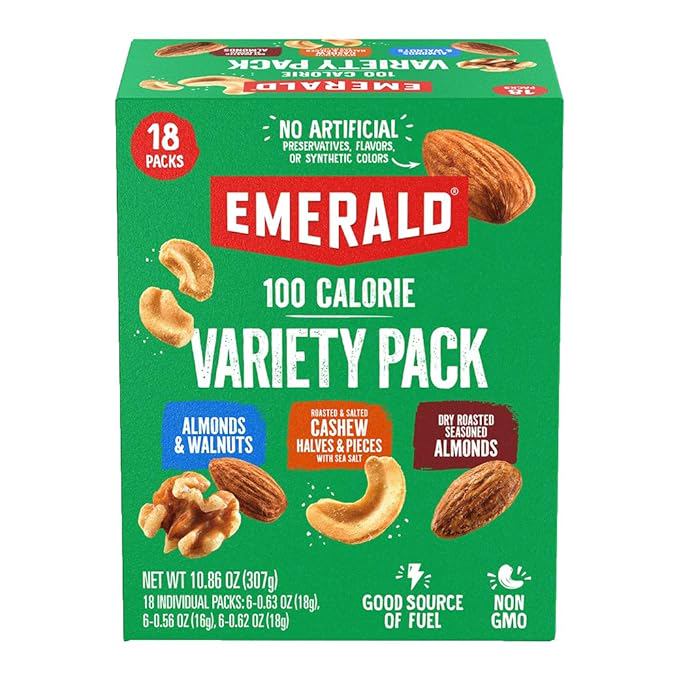
Processed snacks are typically made with refined oils and offer little nutritional payoff. A handful of raw or roasted nuts and seeds is a powerful alternative.
Almonds, walnuts, pecans, pumpkin seeds, and sunflower seeds are portable packages of healthy fats, protein, and minerals. Pair them with a piece of fruit for a balanced snack. If you crave crunch, try roasted chickpeas or kale chips baked with a light coating of olive oil. This swap moves you from empty calories to sustained energy and vital nutrients.
Swap Your Protein Source: Red Meat for Fatty Fish
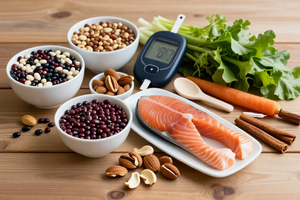
Replacing a weekly serving of red meat or processed meat with fatty fish is one of the most impactful swaps for heart health. Fish like salmon, mackerel, sardines, and trout are among the best natural sources of omega-3 fatty acids, a type of polyunsaturated fat crucial for reducing inflammation and supporting brain function.
Aim for two servings of fatty fish per week. Canned salmon or sardines are affordable, convenient options for salads, pastas, or toast. This swap reduces saturated fat intake while significantly boosting your omega-3s.
Swap Your Dairy: Whole Milk for Fortified Unsweetened Plant Milk
In smoothies, coffee, or cereal, consider swapping whole milk for an unsweetened plant-based milk fortified with calcium and vitamin D. Options like unsweetened almond, soy, or oat milk are naturally lower in saturated fat.
For a richer, creamier texture that's still plant-based, canned coconut milk (light or full-fat, used in moderation) can be a good choice for curries or specific recipes, though it is higher in saturated fat. The key is to read labels and choose unsweetened versions to avoid added sugars.
Swap Your Salad Topping: Croutons for Seeds or Avocado
Croutons and crispy noodle toppings add crunch but often come with refined carbs and oils. Elevate your salad's fat profile by swapping them for a tablespoon of seeds—like sunflower, pumpkin, or hemp seeds—or a few slices of creamy avocado.
This adds a satisfying texture while contributing healthy fats that actually help your body absorb the fat-soluble vitamins (A, D, E, K) from the vegetables in your salad. A simple vinaigrette made with extra virgin olive oil completes this nutrient-boosting transformation.
Swap Your Dessert or Sweet Treat: Pastries for Dark Chocolate
When a sweet craving hits, pastries, cookies, and ice cream are common go-tos, typically high in sugar and unhealthy fats. A small square of dark chocolate (aim for 70% cocoa or higher) can be a far more satisfying and beneficial choice.
Dark chocolate contains healthy fats, fiber, and antioxidants like flavonoids. Letting a piece melt slowly on your tongue satisfies the craving with a fraction of the sugar and a dose of beneficial compounds. Pair it with a few almonds for a treat that feels indulgent while supporting your health.
Remember, these swaps are about progression, not perfection. Start with one or two that seem easiest or most appealing. Over time, these small changes can significantly shift the quality of fats in your diet, supporting your long-term wellness in a deliciously simple way.