When it comes to weight loss, what you eat tends to get all the attention. But when you eat can be just as powerful—without asking you to count a single calorie or skip a meal. Meal timing isn't about rigid rules or punishing schedules; it's about working with your body's natural rhythms to support fullness, steady energy, and metabolic health. Here are seven expert-backed strategies that help you lose weight without ever feeling deprived.
Why Meal Timing Matters for Weight Loss
Your body runs on a roughly 24-hour internal clock called the circadian rhythm. This rhythm influences how your body digests food, releases hormones, and burns or stores energy. Eating in sync with this clock—rather than randomly throughout the day and late into the night—can improve insulin sensitivity, reduce cravings, and help you feel satisfied on fewer calories. The goal isn't starvation; it's smarter timing.
1. Front-Load Your Calories Earlier in the Day
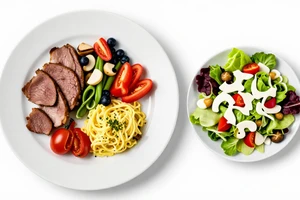
One of the most consistent findings in meal-timing research is that eating a larger breakfast and lunch, with a lighter dinner, supports weight loss. A 2020 study in the Journal of Clinical Endocrinology & Metabolism found that people who ate their largest meal at breakfast lost more weight than those who ate the same number of calories at dinner, even without changing what they ate. Your body processes glucose more efficiently in the morning, and your natural cortisol rhythm helps you feel alert and energized after a substantial breakfast.
Try this: Move 100–200 calories from your dinner portion to your breakfast or lunch—perhaps by swapping a larger dinner salad for a heartier morning bowl of oatmeal with nuts and berries.
2. Create a Consistent Daily Eating Window
Time-restricted eating, or TRE, doesn't necessarily mean skipping breakfast. It simply means compressing your eating into a set window each day—commonly 8 to 10 hours. For example, if you eat between 9 a.m. and 5 p.m. or 10 a.m. to 7 p.m., you give your body a longer overnight fast. During that fast, insulin levels drop, and your body can more easily tap into stored fat for energy. Research published in Cell Metabolism shows that even modest windows (like 10 hours) can lead to meaningful weight loss and better metabolic markers without calorie counting.
3. Don't Starve Yourself—Eat Enough at Meals
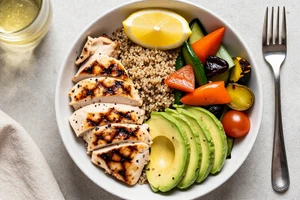
Skipping meals to cut calories often backfires. When you go too long without food, blood sugar drops, willpower fades, and the next meal can easily turn into a binge. Instead, make sure each meal contains a balance of protein, fiber, and healthy fat. Protein is especially important: it boosts satiety hormones (like PYY and GLP-1) and helps preserve muscle mass during weight loss. A 2018 review in Nutrition Reviews concluded that spreading protein intake evenly across breakfast, lunch, and dinner supports appetite control better than loading it all at dinner.
- Breakfast: aim for 20–30 grams of protein (try eggs, Greek yogurt, or a tofu scramble)
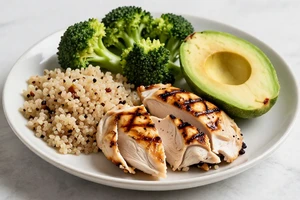
- Lunch and dinner: include a palm-sized portion of lean protein, such as chicken, fish, beans, or lentils
- Snacks: pair a protein source with fiber (like apple slices with almond butter)
4. Stop Eating 2–3 Hours Before Bed
Late-night eating is a double threat. First, your metabolism slows down in the evening as your body prepares for sleep. Second, eating close to bedtime can disrupt sleep quality, which raises cortisol and ghrelin (the hunger hormone) the next day. A study in the American Journal of Clinical Nutrition found that eating within two hours of sleep was linked to greater overall calorie intake and higher body fat. Aim to finish your last meal or snack at least two to three hours before you turn out the lights. If you're truly hungry in that window, a very small snack like a handful of almonds or a cup of herbal tea is better than nothing—but keep it light.
5. Use Protein-Rich Snacks Strategically
Snacking gets a bad reputation, but not all snacks are equal. When timed well, a small, protein-rich snack can stabilize blood sugar and prevent overeating at your next meal. For example, a mid-afternoon Greek yogurt or a hard-boiled egg can make it easier to serve yourself a reasonable dinner portion instead of arriving ravenous. The key is to avoid snacks that are high in refined carbs or sugar, which spike and crash blood sugar, leaving you hungrier later.
6. Align Meal Times with Your Daily Activity
If you exercise in the morning, it makes sense to have breakfast after your workout—especially if your session lasts more than 45 minutes. On the other hand, if you exercise in the late afternoon, a small pre-workout snack (like a banana with peanut butter) can fuel performance, followed by a balanced dinner. The general principle: eat most of your calories when you are most active. For most people, that's between breakfast and early evening. This alignment helps your body use food as fuel rather than storing it as fat.
7. Stay Flexible—Avoid Perfectionism
One of the biggest mistakes people make is trying to follow a meal-timing schedule perfectly every single day. Life happens: a late work meeting, a social dinner, a travel day. Rigidity can create stress, which raises cortisol and works against weight loss. Instead, aim for consistency 80–90% of the time. If you eat dinner later than planned one night, don't stress—just return to your normal timing the next day. Long-term habits matter far more than any single meal.
Meal timing is not about punishment. It's about building a rhythm that naturally supports your body's biology. By front-loading calories, creating a consistent eating window, eating enough protein, and stopping food a few hours before bed, you can lose weight without ever feeling like you're starving. The best plan is the one you can stick with, so choose the strategies that fit your life and adjust as you go.