We hear it constantly—from our mothers, from nutritionists, from every health article we read—but most of us still aren't eating enough fruits and vegetables. The official recommendation is around two cups of fruit and two-and-a-half to three cups of vegetables each day. That might sound like a lot, but the payoff for hitting that mark is real: better energy, stronger immunity, and skin that actually looks healthier.
Here's the simple truth: the more color on your plate, the more antioxidants you're getting. And antioxidants are the compounds that help protect your cells from damage, calm inflammation, and support your body's natural defenses. Dietitians consistently point to a handful of antioxidant-rich foods as the most effective for both skin vitality and immune function. Here are seven of the best you can add to your routine right now.
Berries: Small Fruits, Big Protection
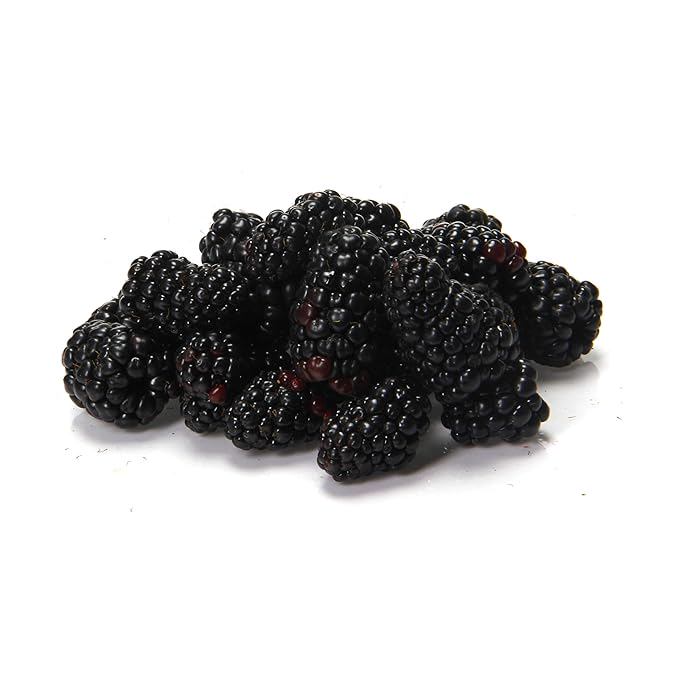
Blueberries, strawberries, raspberries, and blackberries are packed with vitamin C and a class of antioxidants called anthocyanins. These compounds help neutralize free radicals—unstable molecules that can age your skin and weaken your immune system over time. A cup of mixed berries in your oatmeal or yogurt is an easy way to start the day with a protective boost.
Leafy Greens: The Foundation of Cellular Health
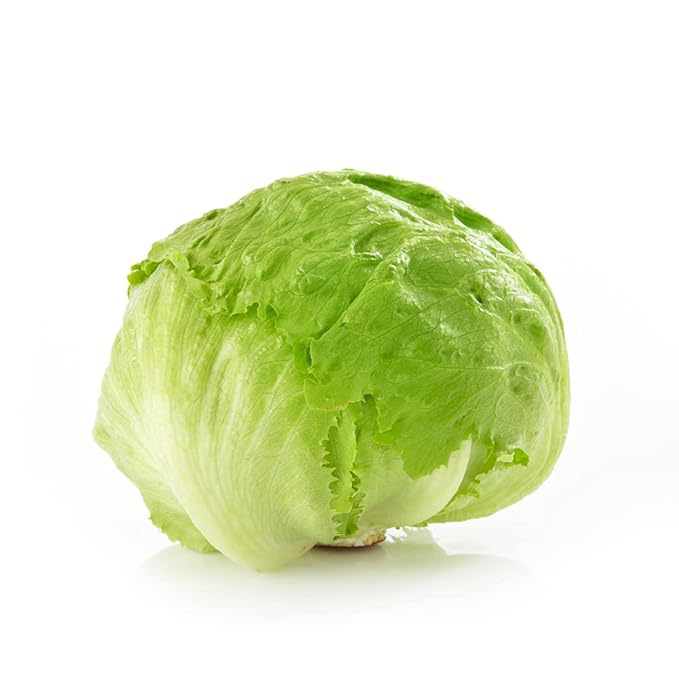
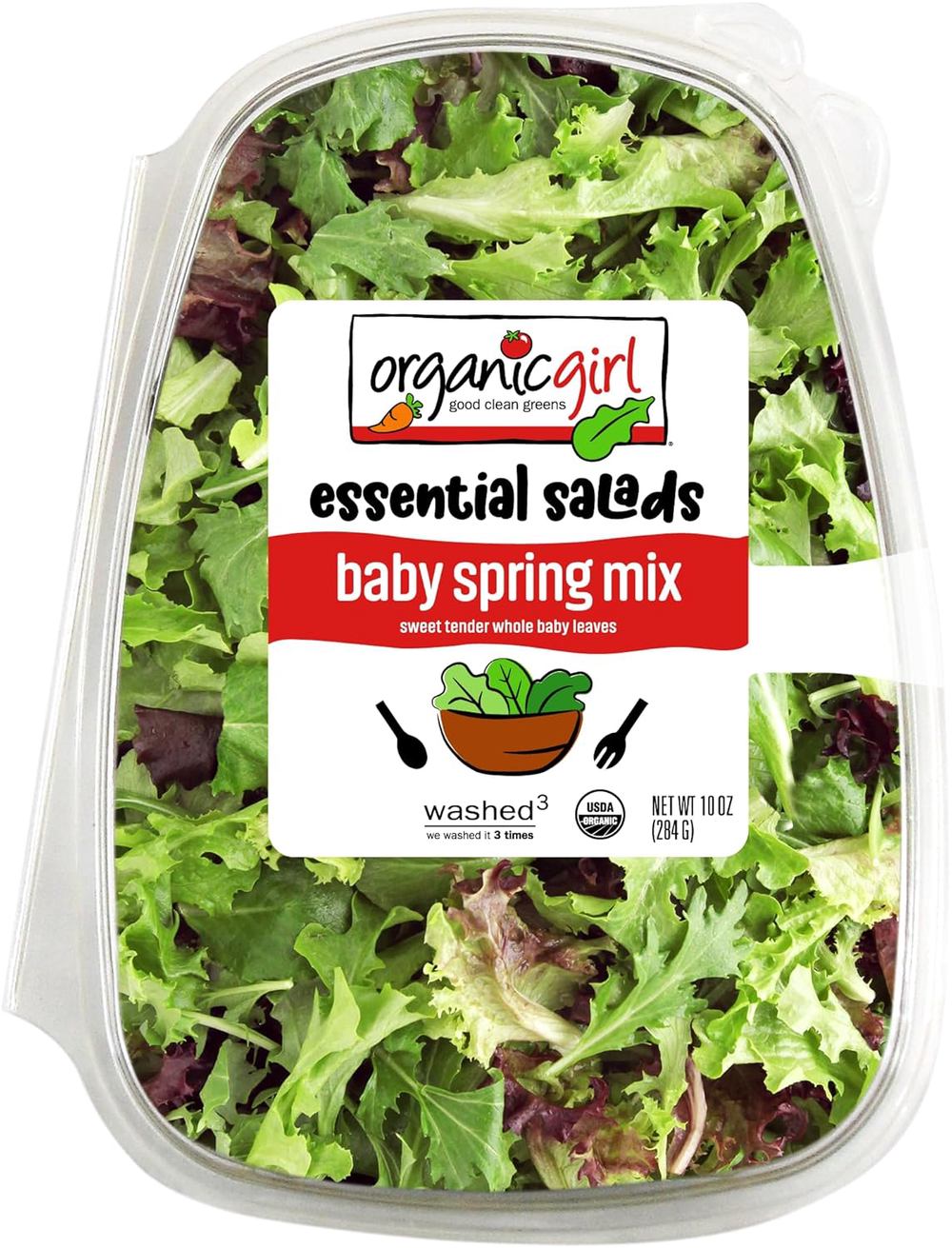
Spinach, kale, and Swiss chard provide vitamins A, C, E, and K, plus beta-carotene and lutein. These nutrients work together to support the skin's barrier function and help immune cells communicate effectively. You don't need a complicated salad—just a handful of greens tossed into a smoothie or sautéed as a side increases your antioxidant load significantly.
Tip: Pair leafy greens with a source of healthy fat (like olive oil or avocado) to help your body absorb fat-soluble antioxidants more efficiently.
Citrus Fruits: Classic Immune Supporters
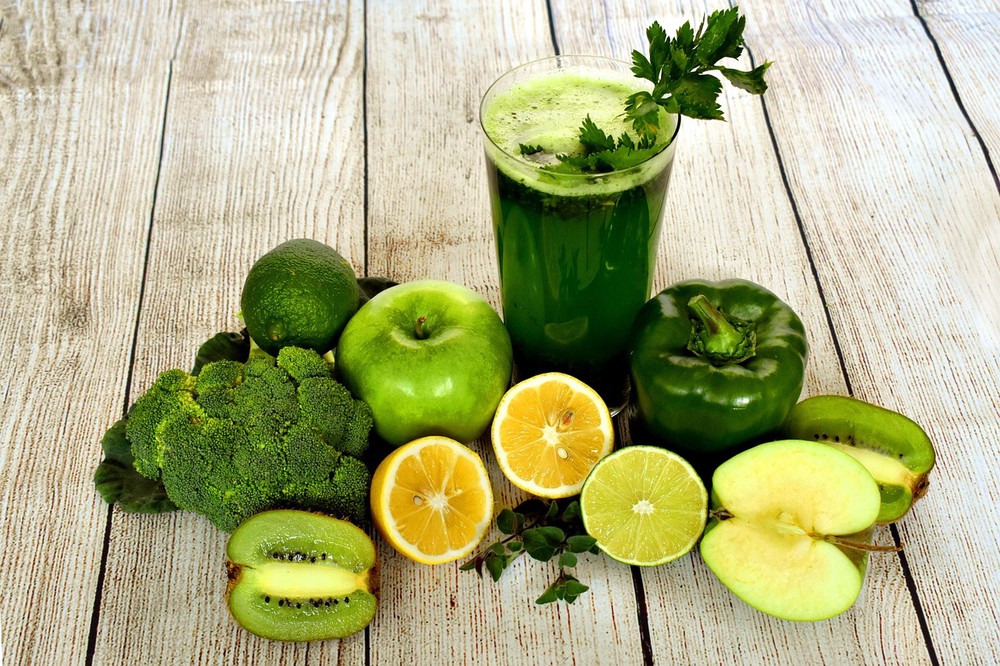
Oranges, grapefruits, lemons, and limes are famous for vitamin C—and for good reason. Vitamin C is essential for collagen production, which keeps skin firm and resilient, and it also supports the activity of immune cells that patrol your body looking for threats. One medium orange covers your daily vitamin C needs. Try adding citrus segments to salads or squeezing fresh juice over cooked vegetables.
Bell Peppers: More Vitamin C Than an Orange
Surprising but true: a single cup of chopped red bell pepper contains more vitamin C than an orange. Red peppers are also rich in beta-carotene, which the body converts into vitamin A for skin repair and immune regulation. They're incredibly versatile—slice them raw for snacks, roast them for sandwiches, or dice them into stir-fries.
Nuts and Seeds: Concentrated Antioxidant Power
Almonds, walnuts, sunflower seeds, and flaxseeds deliver vitamin E, selenium, and healthy fats. Vitamin E is a fat-soluble antioxidant that protects skin cell membranes from oxidative stress, while selenium supports the function of antioxidant enzymes throughout the body. A small handful of almonds or a tablespoon of seeds added to meals can make a meaningful difference over time.
Dark Cruciferous Vegetables: Broccoli, Brussels Sprouts, and Cabbage
These vegetables contain sulforaphane and other compounds that activate the body's own antioxidant defenses at a genetic level. That means they help your cells produce more protective enzymes naturally. Steaming or roasting them lightly preserves these compounds better than boiling. Aim for a serving most days to support both liver detoxification pathways and skin clarity.
Green Tea: A Calming, Antioxidant-Rich Beverage
Green tea is loaded with catechins—specific antioxidants that reduce inflammation and may help protect skin from UV-related damage when used alongside sun protection. Replacing one sugary drink per day with unsweetened green tea is a simple swap that adds antioxidant benefits without extra calories. It also provides a gentle dose of hydration, which is always good for skin and immunity.
These seven categories represent some of the highest-antioxidant foods dietitians recommend most often. The key is consistency—not perfection. Adding even one or two servings from this list to your daily meals can start to support your skin's appearance and your immune system's resilience over the coming weeks and months.