
You’re consistent. You’re lifting with intention. But the numbers on the bar have stopped climbing, and that last rep feels just as hard as it did three weeks ago. Hitting a strength plateau can be frustrating, but it’s also a common signal—often, your body is asking for more than just rest between sets. It’s asking for the right building blocks to repair and grow stronger.
While your training program provides the stimulus, your nutrition provides the materials. Shifting your focus to recovery foods can be the key that unlocks your next phase of progress. These aren’t magical solutions, but specific, nutrient-dense choices that support the physiological processes of muscle repair, glycogen replenishment, and inflammation management.
Why food matters for breaking plateaus
When you strength train, you create microscopic tears in muscle fibers. This isn’t damage; it’s the essential trigger for growth. Your body then repairs these fibers, fusing them back together thicker and stronger than before—a process called muscle protein synthesis. To do this efficiently, it needs a steady supply of amino acids from protein, energy from carbohydrates, and a host of micronutrients to manage the inflammatory response and fuel cellular repair.
Without adequate nutritional support, this repair process is incomplete. You might recover, but you won’t supercompensate and build new strength. Think of it like trying to build a brick wall without enough mortar or bricks. The effort is there, but the structure can’t rise any higher.
Plateaus often point to a recovery gap, not a effort deficit. Food fills that gap.
The recovery food framework
Effective recovery nutrition focuses on three core pillars: rebuilding muscle, restoring energy, and reducing oxidative stress. The following foods are chosen because they deliver a powerful combination of these elements, helping to create an internal environment where strength gains can flourish.
1. Fatty fish (like salmon or mackerel)
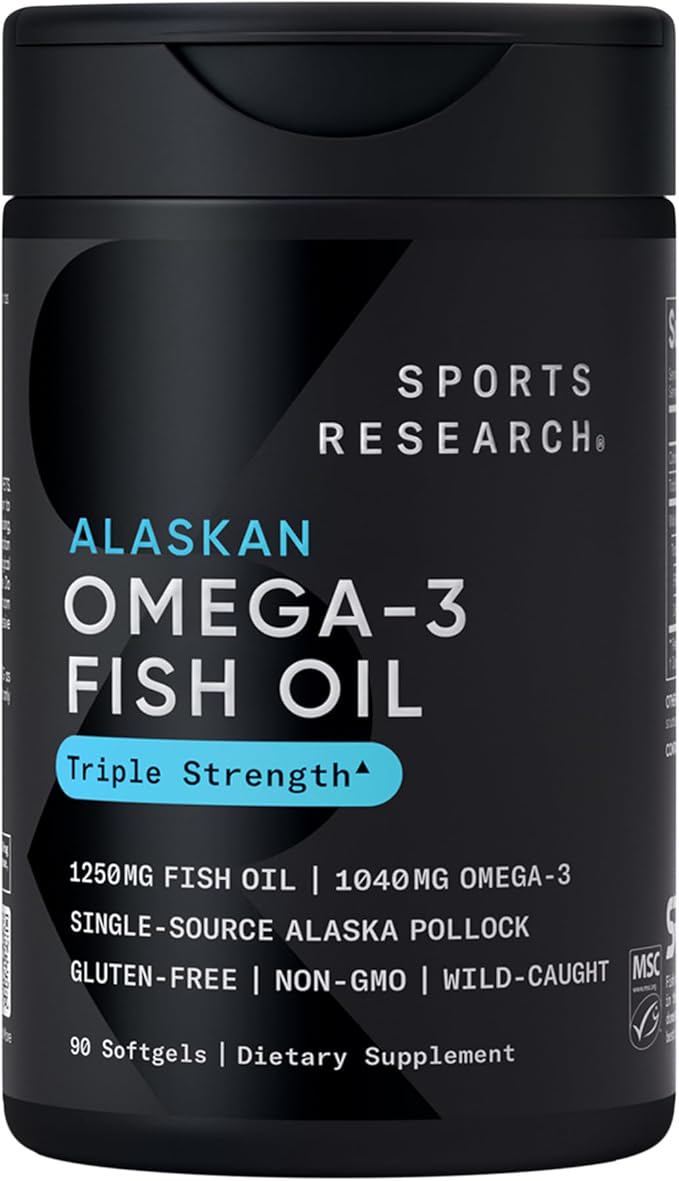
This is a powerhouse for recovery. Beyond being an excellent source of high-quality protein, fatty fish are rich in omega-3 fatty acids, specifically EPA and DHA. These fats are renowned for their role in managing the body’s natural inflammatory response post-exercise. A well-modulated inflammatory process is crucial—it allows for the repair of muscle tissue without excessive soreness or prolonged stiffness that can hinder your next workout.
Including a serving of salmon, mackerel, or sardines a few times a week provides the dual benefit of protein for synthesis and omega-3s for smoother recovery.
2. Greek yogurt or cottage cheese
These dairy staples are recovery classics for good reason. They offer a superb casein protein profile. Casein is a slow-digesting protein that provides a steady, prolonged release of amino acids into your bloodstream. This can be particularly beneficial for muscle repair during longer recovery windows, like the overnight fast while you sleep.
A bowl of Greek yogurt with some berries, or cottage cheese with a sprinkle of cinnamon, makes for an easy post-training or evening snack that supports sustained repair.
3. Tart cherry juice
Research has pointed to tart cherry juice as a notable aid for exercise recovery. It’s packed with antioxidants and phytochemicals that appear to help reduce muscle soreness and speed the return of muscle strength after intense training. The natural compounds in tart cherries may support the body’s own antioxidant defenses and help calm exercise-induced inflammation.
A small glass (around 8 ounces) of unsweetened tart cherry juice after a tough session, or in the evening, can be a strategic addition. It’s not a magic potion, but for many, it makes the deep soreness a bit more manageable.
4. Eggs, especially the whole egg
Don’t ditch the yolk. While egg whites are pure protein, the yolk contains nearly all the vitamins, minerals, and healthy fats. It’s a source of choline, which supports muscle function and nervous system health, and fat-soluble vitamins like vitamin D, which plays a role in muscle protein synthesis. The complete amino acid profile in eggs makes them a gold-standard protein for repair.
Eating whole eggs ensures you get the full spectrum of nutrients needed to turn that dietary protein into actual muscle tissue.
5. Sweet potatoes
Recovery isn’t only about protein. Your muscles store glycogen (carbohydrate energy) to fuel your lifts. Depleted glycogen stores leave you feeling flat and weak. Sweet potatoes are a fantastic source of complex carbohydrates that replenish these stores efficiently. They’re also rich in beta-carotene, an antioxidant, and potassium, an electrolyte lost in sweat that’s vital for muscle contraction and fluid balance.
Their slow-digesting carbs provide sustained energy release, making them an ideal part of a meal a few hours before or after your training session.
6. Spinach and leafy greens
You might not think of spinach as a strength food, but its micronutrient density is a silent supporter of recovery. It’s loaded with magnesium, a mineral involved in over 300 biochemical reactions, including muscle relaxation and protein synthesis. It also provides iron, which is necessary for oxygen transport in the blood to working muscles, and nitrates, which may support blood flow and exercise efficiency.
Adding a large handful of spinach to a post-workout smoothie, omelet, or salad is an easy way to boost your intake of these recovery-critical minerals.
How to integrate these foods
You don’t need to eat all six every day. The goal is to weave them into your regular eating patterns, especially in the hours surrounding your training.
- Post-workout (within 1-2 hours): Combine a protein source (like Greek yogurt or eggs) with a carbohydrate (like sweet potato). Example: a veggie omelet with a side of roasted sweet potato.
- Evening/Before bed: Opt for a slow-digesting protein to fuel overnight repair. Cottage cheese or a casein protein shake are good choices.
- General daily intake: Focus on consistent, balanced meals that include a protein source, colorful vegetables (like leafy greens), and quality carbs. Stay hydrated.
Listen to your body. If you’re constantly sore, struggling with energy, or not seeing progress, assess whether your plate reflects these recovery priorities. Sometimes, breaking a plateau is less about pushing harder in the gym and more about supporting better from the kitchen.