When you finish a tough workout, your muscles are in a state of repair. The protein you eat in the hours that follow doesn't just rebuild tissue; it helps your body adapt and grow stronger. But not all protein is created equal for recovery. A balanced approach means rotating different sources to get a complete amino acid profile, varied micronutrients, and digestive ease. Here are six protein sources that deserve a regular spot in your recovery plan.
Why Protein Variety Matters for Recovery
Your muscles need all nine essential amino acids—specifically leucine, which triggers muscle protein synthesis—to repair effectively. While a single scoop of whey can do the job in a pinch, relying on one source can lead to gaps in nutrition or digestive fatigue. Different proteins also bring unique vitamins, minerals, and bioactive compounds that support inflammation control and overall recovery. Rotating your choices keeps your meals interesting and your muscles supported from every angle.
1. Eggs: The Gold Standard
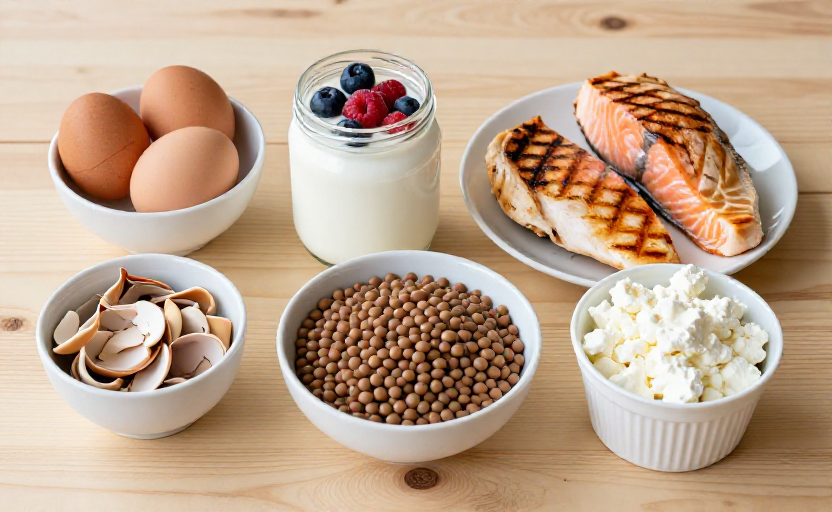
Eggs are a near-perfect protein package. One large egg provides about 6 grams of high-quality protein, with a stellar amino acid profile that includes plenty of leucine. The yolk contains healthy fats, choline for nerve function, and vitamins D and B12—all helpful for recovery. Whether you eat them hard-boiled, scrambled, or poached, eggs are versatile and easy to digest. For balanced recovery, consider eating the whole egg rather than just whites; the yolk adds valuable nutrients without pushing protein content too high.
2. Greek Yogurt
Greek yogurt is a concentrated dairy protein that delivers about 15–20 grams of protein per cup, depending on the brand. It's rich in casein and whey, which means it provides both fast-acting and slow-digesting protein—ideal for sustained amino acid delivery after a workout. The probiotics in live-culture yogurt also support gut health, which plays a bigger role in immunity and nutrient absorption than many people realize. Choose plain, unsweetened varieties to avoid added sugar, and add berries for extra antioxidants.
3. Lean Poultry
Chicken and turkey breast are lean, complete proteins that offer around 25 grams per 3-ounce serving. They are naturally low in fat and contain B vitamins that help convert food into usable energy—a bonus when your body is working to repair. White meat is the most straightforward choice for recovery, but don't overlook dark meat in moderation; it provides iron and zinc, which support oxygen transport and immune function. Grilling, baking, or slow-cooking keeps the protein intact without adding unnecessary calories.
4. Salmon
Salmon does double duty. A 3-ounce serving delivers roughly 22 grams of protein and a substantial amount of omega-3 fatty acids EPA and DHA. These healthy fats are known to reduce exercise-induced inflammation and soreness, which can speed up the recovery window. The protein itself contains all essential amino acids, and the high selenium content supports thyroid health. Wild-caught salmon tends to have a higher omega-3 profile, but farmed varieties still offer meaningful benefits. Aim to include fatty fish at least twice a week for recovery and overall health.
5. Lentils
For those who prefer plant-based options or want to mix in more fiber, lentils are a standout. One cup of cooked lentils provides about 18 grams of protein, plus complex carbohydrates that replenish glycogen stores. They are rich in iron, magnesium, and folate—nutrients often depleted after intense exercise. Lentils are not a complete protein on their own (they are low in methionine), but pairing them with a grain like rice or quinoa creates a full amino acid profile. A lentil soup or cold lentil salad after a workout offers steady energy and gentle digestion.
6. Cottage Cheese
Cottage cheese is often overlooked, but it's a powerhouse for overnight recovery. One cup of low-fat cottage cheese contains about 25 grams of protein, dominated by casein, which digests slowly and provides a steady release of amino acids over several hours. That makes it an excellent choice as a pre-bed snack to support muscle repair while you sleep. It also delivers calcium and phosphorus, which support bone health—important for anyone doing weight-bearing exercise. Blend it into a smoothie, eat it with fruit, or use it as a savory spread on whole-grain crackers.
How to Build Your Recovery Plan
You don't need to hit all six in a single day. A smart approach is to vary your protein sources across the week: eggs and yogurt on busy mornings, salmon or chicken at lunch, lentils in a dinner bowl, and cottage cheese before bed. Aim for 20–30 grams of protein per meal for most active adults, and always combine protein with carbohydrate for optimal glycogen replenishment. Listen to your body: some people digest dairy better than others, and some prefer plant proteins for ethical or health reasons. The best recovery plan is one you can stick with.