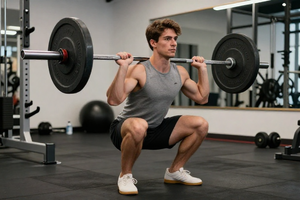
You finished the last rep, racked the bar, and peeled off your gym gloves. Good work. Now comes the part that actually builds your strength: recovery. What you eat in that window after lifting is not a reward—it is the raw material your body needs to rebuild muscle tissue. Without it, that hard session is less effective.
Dietitians do not overcomplicate this. The goal is a combination of high-quality protein for repair and carbohydrates to replenish the glycogen your muscles just burned. You do not need a shake the minute you set the barbell down. You need a planned, practical snack that fits your life. Here are six expert-backed options that work whether you are in the car, at the office, or standing in your kitchen.
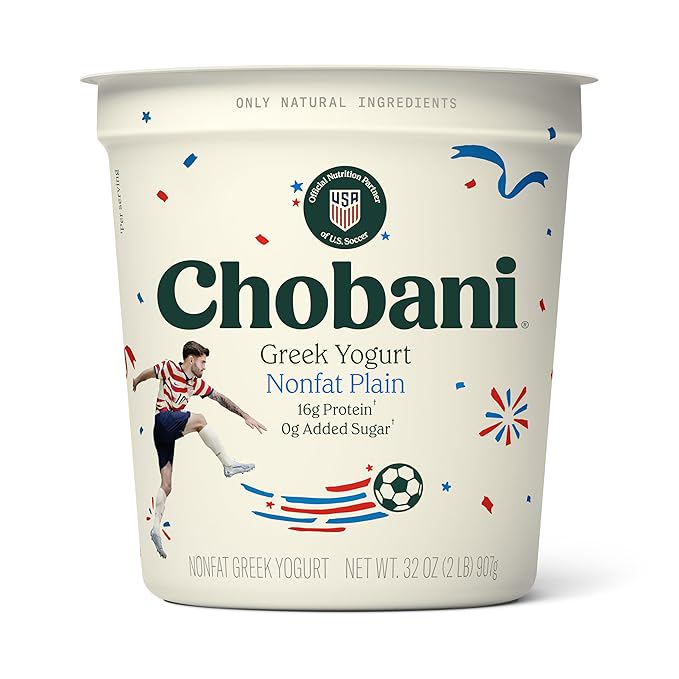
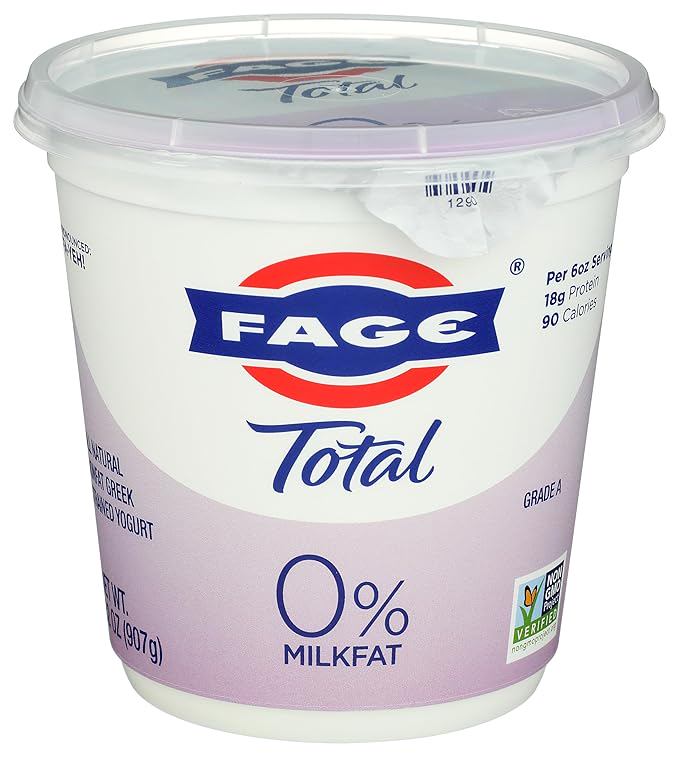
Greek Yogurt with Berries and a Drizzle of Honey
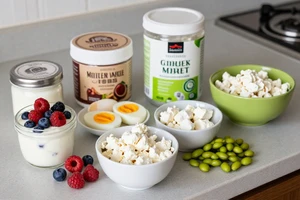
This is the gold standard for a reason. Plain Greek yogurt delivers roughly 20 grams of protein per cup, and the casein protein it contains digests slowly, providing a steady stream of amino acids to your muscles over several hours. Berries add antioxidants that help manage the oxidative stress from intense lifting, and honey gives you a quick carbohydrate hit to restore glycogen.
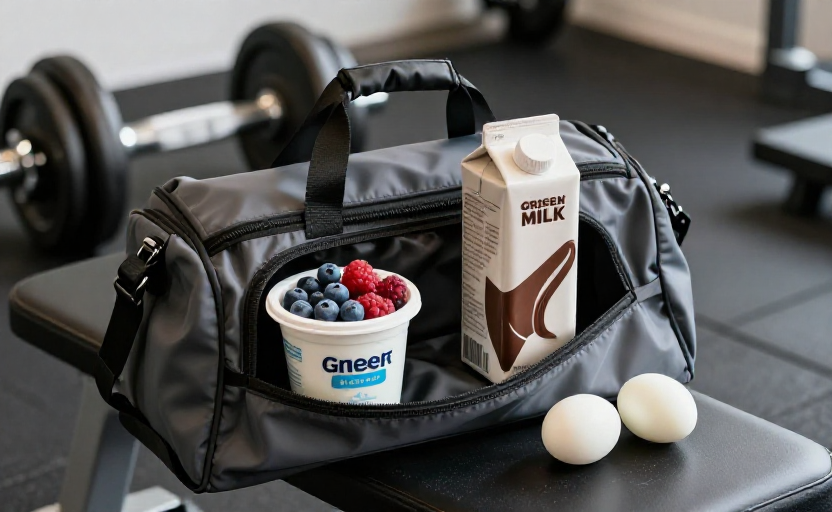
Dietitians point out that this snack is also forgiving. If you are lactose sensitive, goat milk yogurt or a lactose-free Greek option works nearly as well. Keep a single-serving cup in your gym bag and you have a portable post-lift meal ready in seconds.
Chocolate Milk
It sounds too simple to be science, but the data backs it up. Chocolate milk has an ideal 4:1 ratio of carbohydrates to protein, and it is a liquid, which helps with rehydration. The natural sugars in the milk replace glycogen while the whey protein starts repairing micro-tears in your muscle fibers.
One cup of low-fat chocolate milk provides about 8 grams of protein and 25 grams of carbs. For a longer or more intense session, double that to a pint. The calcium in the milk also supports bone health, which matters when you are loading a barbell on your back. It is affordable, widely available, and requires zero prep.
Hard-Boiled Eggs with a Piece of Fruit
Eggs are a near-perfect protein source because their amino acid profile closely matches what human muscles need. Two hard-boiled eggs give you roughly 12 grams of protein along with choline, a nutrient that supports nerve function and muscle signaling. Pair them with an apple, a banana, or a handful of grapes for the carbohydrate side of the equation.
This snack travels well and does not need refrigeration for a few hours, making it ideal for people who commute to the gym. If you find plain eggs dry, a sprinkle of black pepper or a pinch of smoked paprika adds flavor without adding junk.
Cottage Cheese with Pineapple Chunks
Cottage cheese is another casein-rich food that feeds your muscles for hours. A half-cup serving provides around 14 grams of protein with comparatively few calories. The addition of pineapple is not just for sweetness—pineapple contains bromelain, an enzyme that may help reduce inflammation and muscle soreness after heavy lifting.
If you watch your sodium intake, look for a low-sodium or no-salt-added version. For a savory twist, skip the pineapple and mix in cherry tomatoes and cracked black pepper instead. Either way, this snack delivers a steady protein release while you shower and go about your day.
Tuna or Salmon on Whole-Grain Crackers
Fish offers a dual benefit: high-quality protein plus anti-inflammatory omega-3 fatty acids. A 3-ounce can of tuna packs about 20 grams of protein, and salmon is even richer in omega-3s. Spread it on four to six whole-grain crackers for the carbohydrates your muscles need to refuel.
Dietitians advise choosing tuna packed in water rather than oil to keep the fat profile clean, and limiting tuna consumption to a few times per week due to mercury content. Canned salmon is a lower-risk alternative that also includes edible soft bones—an unexpected bonus of calcium. This snack takes two minutes to assemble, and you can carry the cans in your bag with a packet of crackers.
Protein Shake with a Banana
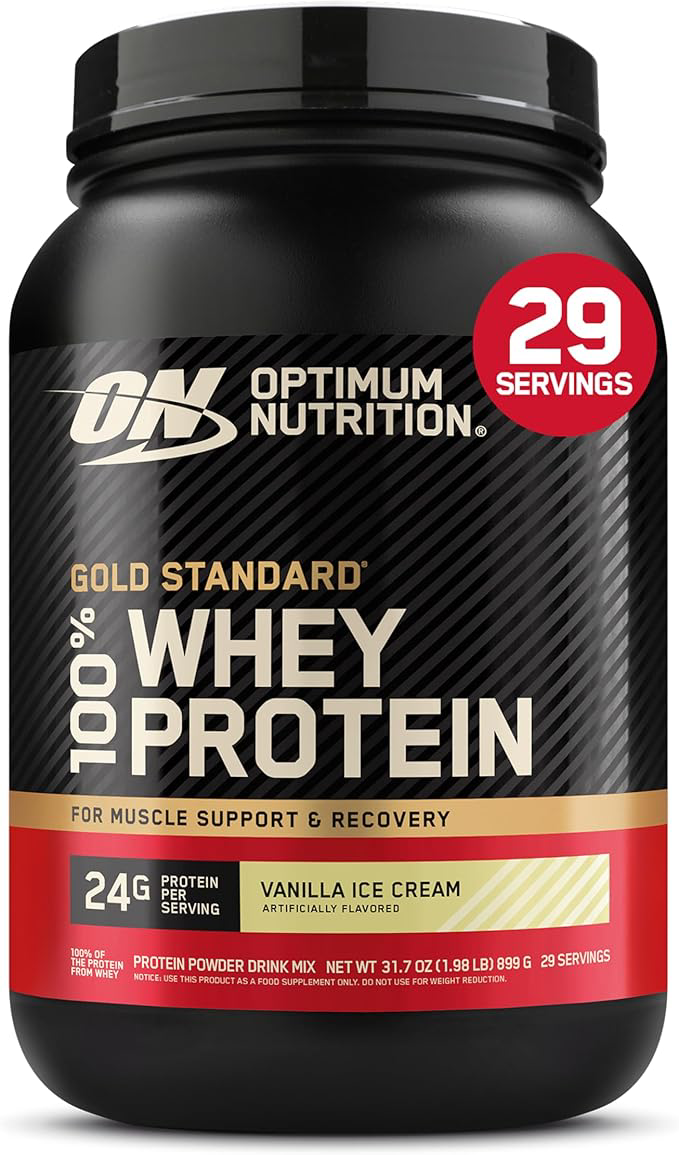
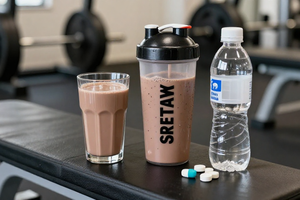
Sometimes you just need speed. A quality protein powder—whey, pea, or a blend—mixed with water or unsweetened milk gives you 25 to 30 grams of protein in a shaker bottle. Add a banana for the carbohydrate component. The banana also provides potassium, an electrolyte you lose through sweat that helps prevent muscle cramps.
Do not overthink the brand. Dietitians recommend a powder with minimal added sugar and a short ingredient list. The advantage of a shake is digestion speed; whey protein, in particular, is absorbed rapidly, which can be beneficial if your next meal will be delayed by several hours.
A quick note on timing: research shows that consuming protein within two hours after lifting is sufficient for most people. The old "30-minute anabolic window" idea is oversold. Your muscles remain sensitive to nutrients for hours, so do not panic if you are stuck in traffic. Focus on getting a balanced snack in, not on a stopwatch.
Putting It Together
Each of these snacks follows the same simple formula: protein for repair paired with carbohydrates for energy. You do not need fancy supplements or complicated recipes. Pick the option that fits your taste, your schedule, and your stomach. Consistency over time will do more for your recovery than any single perfect meal.
If you have digestive issues or specific dietary restrictions—dairy intolerance, egg allergy, or plant-based preference—swap in an alternative that matches the same nutritional pattern. A handful of almonds and a piece of fruit, or a lentil-based soup, can serve the same purpose. The principle matters more than the exact food.