
Many of us reach for coffee or a sugary snack when the midday slump hits, only to crash harder an hour later. On the other side of that coin, we want meals that actually keep us full—without feeling heavy. Plant-based eating offers a way out of that cycle, but it's not just about cutting out animal products; it's about building habits that support steady energy and lasting satisfaction.
Here are six research-backed, plant-based eating habits that can help you feel energized and genuinely satiated throughout the day.
1. Start your day with protein-rich plants
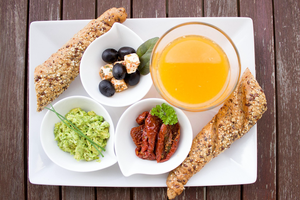
A breakfast that leans heavily on refined carbs—think white toast, sugary cereal, or a plain bagel—often leaves you hungry by mid-morning. Swapping in a plant-based protein source changes that. Options like tofu scramble, a smoothie with hemp seeds and pea protein, or oatmeal stirred with nut butter and chia seeds provide a slow-release fuel that keeps blood sugar more stable.
The goal is to aim for at least 15–20 grams of protein at breakfast. This doesn't mean complicated cooking; a soy-based yogurt with a handful of pumpkin seeds and almonds can easily get you there.
2. Pair carbohydrates with fat or protein
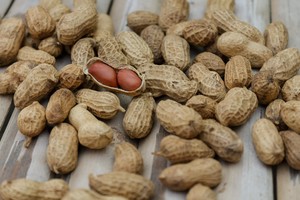
Carbohydrates are the body's preferred energy source, but eating them solo—especially refined ones—can cause a rapid spike and subsequent drop in blood sugar. The fix is simple: always pair a carb with a little fat, protein, or fiber. That might look like apple slices with peanut butter, whole-grain crackers with hummus, or roasted sweet potatoes drizzled with tahini.
This habit slows digestion and provides a sustained release of energy, so you don't feel the need to snack again within the hour.
3. Eat the rainbow at every meal
Different colors in fruits and vegetables signal different phytonutrients and fiber types. A plate that contains a variety of colors—dark leafy greens, red bell peppers, purple cabbage, orange carrots—is more likely to deliver a broad spectrum of vitamins, minerals, and antioxidants that support cellular energy production.
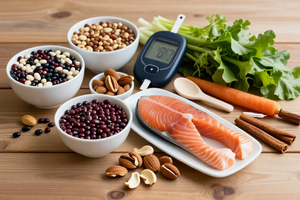
Fiber is a key player here, too. Soluble fiber (found in oats, beans, and apples) slows digestion and helps you feel full longer. Insoluble fiber (found in leafy greens and whole grains) adds bulk and keeps things moving. Aim to include at least three different colors on your plate at lunch and dinner.
4. Don't be afraid of healthy fats
For years, fat was treated as the enemy, but the right kinds are essential for satiety and sustained energy. Monounsaturated and polyunsaturated fats—found in avocados, nuts, seeds, and olives—slow stomach emptying, which helps control appetite. They also support the absorption of fat-soluble vitamins (A, D, E, K) and provide a concentrated source of fuel.
A tablespoon of flaxseed oil on roasted vegetables, a quarter-cup of walnuts in a salad, or half an avocado on a sandwich are easy ways to incorporate these fats without overdoing it. The key is moderation: about a fist-sized portion per meal is a reasonable guide.
5. Prioritize whole food sources over processed substitutes
The plant-based food industry has boomed, and it's now easy to find vegan versions of almost anything—from burgers to mac and cheese. While these can be convenient, many are highly processed and lack the fiber and nutrient density of whole plant foods. A black bean burger made from scratch will generally provide more fiber and fewer additives than a store-bought vegan patty.
When you do use processed plant-based items, treat them as occasional conveniences rather than daily staples. The core of your diet should still center on legumes, whole grains, nuts, seeds, fruits, and vegetables.
6. Stay hydrated, and make water your go-to
Even mild dehydration can cause fatigue and make it harder to distinguish hunger from thirst. While all fluids count toward hydration, water is the most reliable option because it has no calories, sugar, or additives that can spike and drop energy levels.
If plain water feels boring, try infusing it with cucumber, mint, or citrus slices. Herbal teas also count and can be a comforting way to stay hydrated throughout the day.
A good rule of thumb is to drink about half your body weight in ounces of water daily (for example, a 160-pound person would aim for 80 ounces). Increase that on hot days or after exercise.
The bottom line: these six habits work together. Eating a balanced breakfast, pairing your foods wisely, variety in produce, including healthy fats, choosing whole foods, and staying hydrated—these are not dramatic restrictions. They are small, sustainable shifts that, over time, can significantly improve how you feel both during and between meals.