If you’ve ever tried to cut back on sugar, you know the drill: you skip the cookie, feel virtuous for an hour, and then find yourself rummaging through the pantry for something—anything—sweet. That relentless pull isn’t a lack of willpower. It’s biology. Sugar cravings often stem from blood sugar dips, stress hormones, and the brain’s demand for quick energy. But there’s a counterintuitive fix that dietitians rely on: eat more fat. The right dietary fats slow digestion, stabilize blood sugar, and signal satiety to the brain, which can quiet the “I need sugar now” alarm. Here are six healthy fat swaps that can help put those cravings to rest.
Why fat helps curb sugar cravings
Fat is the slow-burning log on the metabolic fire. When you eat refined carbs or sugar, your blood glucose spikes and then crashes—and that crash is what triggers another craving. Fat, on the other hand, slows gastric emptying and blunts the glucose spike. It also stimulates the release of cholecystokinin (CCK), a hormone that tells your brain you’re full. Over time, including healthy fat at meals can reduce the frequency and intensity of sugar cravings without making you feel deprived.
1. Swap your morning cereal for avocado on toast
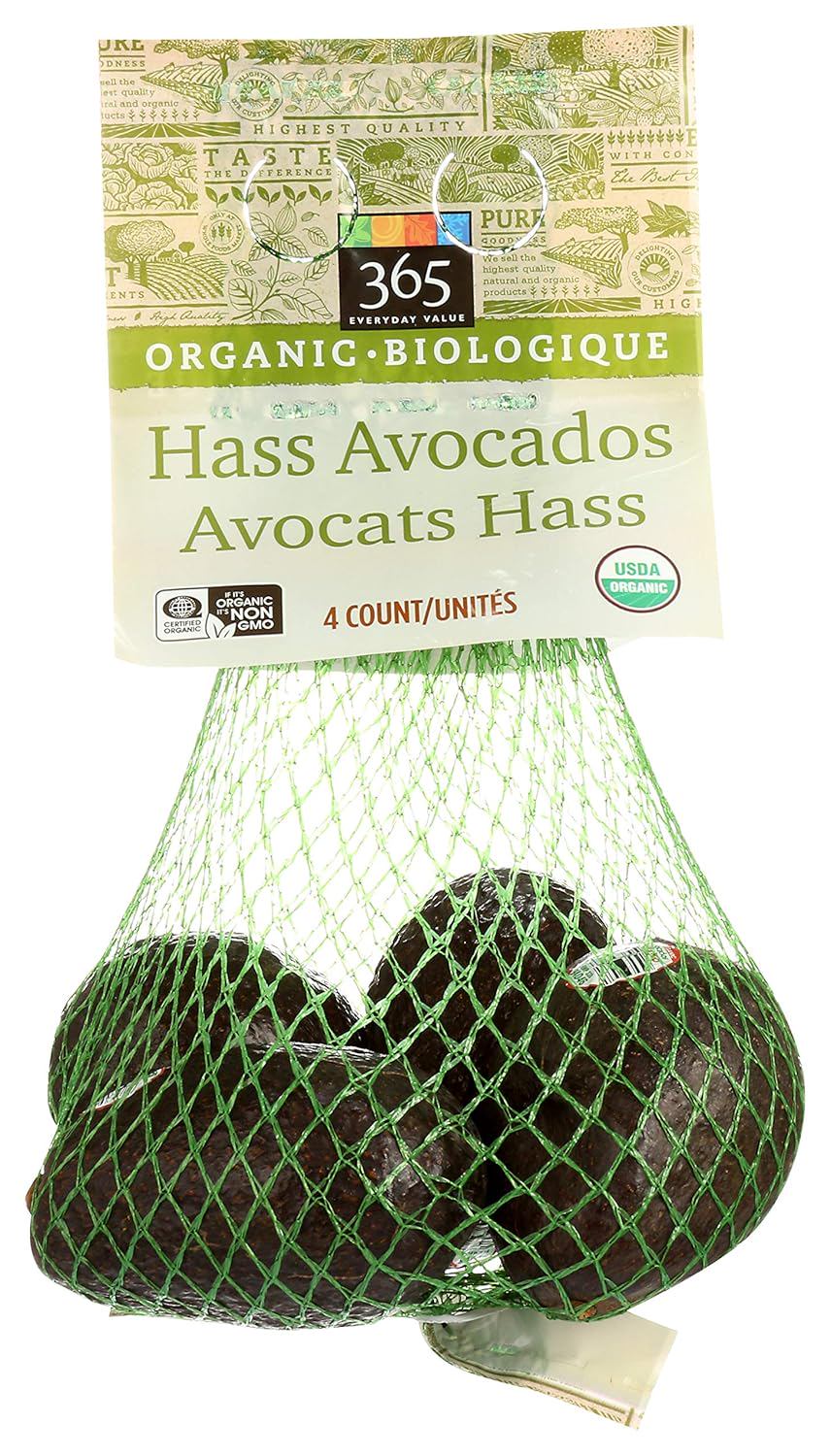
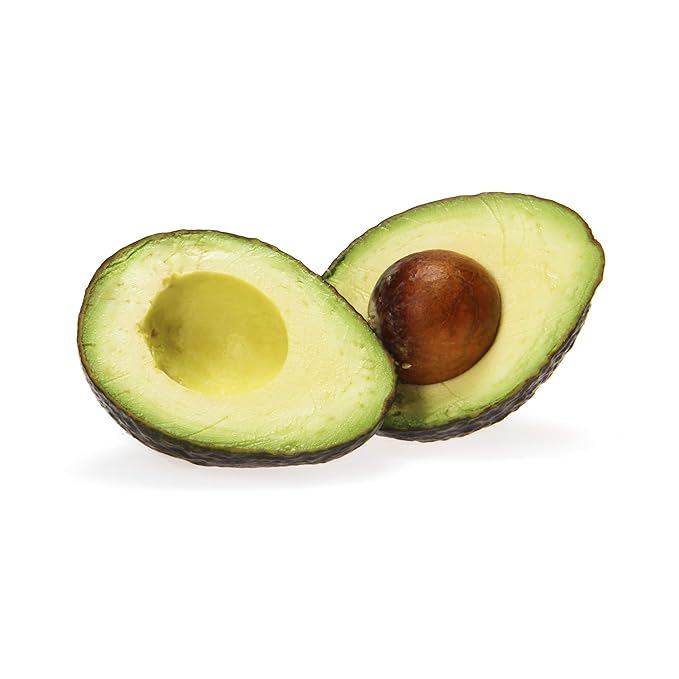
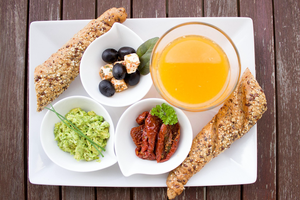
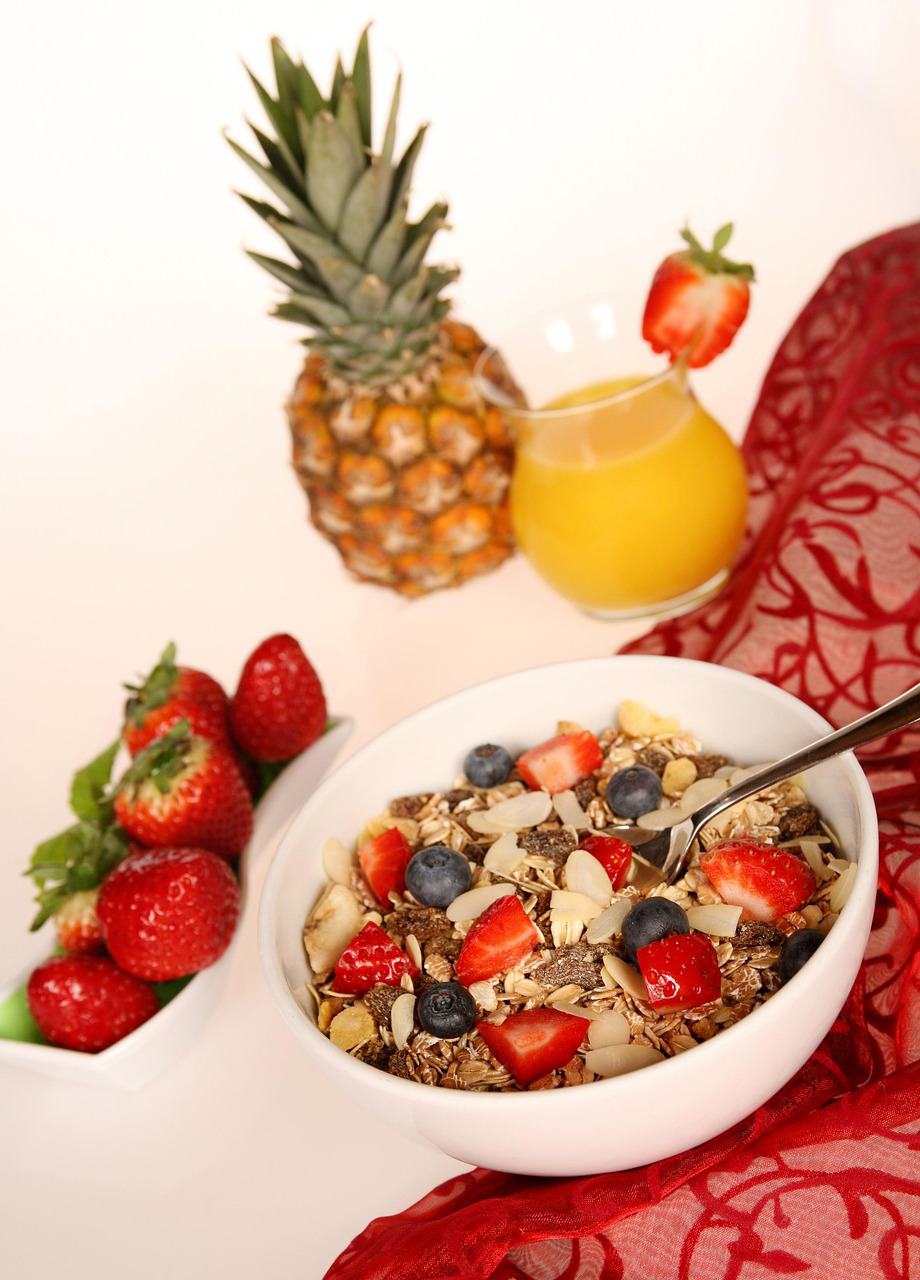
A bowl of sugary cereal (or even a “healthy” granola) can send blood sugar on a roller coaster before 9 a.m. Dietitians suggest replacing that with whole-grain toast topped with half an avocado. Avocado is rich in monounsaturated fats and fiber, which together create a slow-release energy effect. The creamy texture also satisfies the mouthfeel that many people seek from sweet foods. Sprinkle with sea salt, red pepper flakes, or a squeeze of lime, and you have a savory breakfast that keeps cravings at bay until lunch.
2. Swap low-fat yogurt for full-fat Greek yogurt
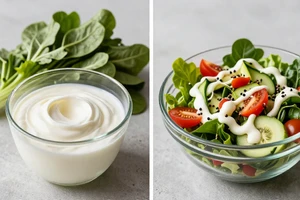
When food manufacturers strip fat from yogurt, they often add sugar or artificial sweeteners to improve taste. Full-fat Greek yogurt naturally contains more fat (about 6–8 grams per serving) and more protein, both of which promote fullness. The fat also helps your body absorb the fat-soluble vitamins in the yogurt. Topping it with a handful of berries adds a touch of sweetness without spiking blood sugar. Many dietitians point out that the full-fat version keeps you satisfied longer, making you less likely to reach for a mid-morning pastry.
3. Swap flavored oat milk for unsweetened coconut milk
Flavored oat milk can pack up to 12 grams of added sugar per cup—almost as much as a soda. Unsweetened coconut milk (from a carton, not the canned variety) provides a creamy texture with minimal sugar and a light dose of medium-chain triglycerides (MCTs), a type of fat that may support energy metabolism. Use it in coffee, smoothies, or overnight oats. The subtle coconut flavor adds a hint of natural sweetness without the sugar load, which helps retrain your palate over time.
4. Swap pretzels and crackers for nuts and seeds
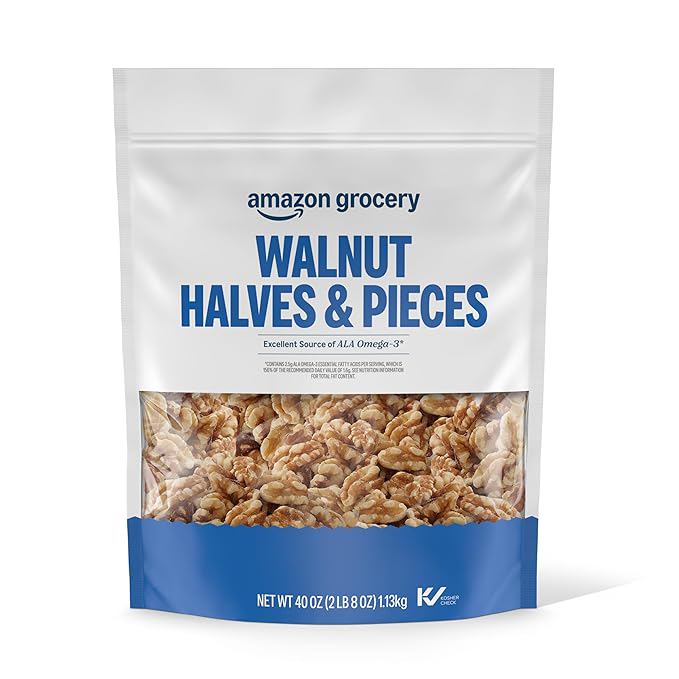
Pretzels, rice cakes, and low-fat crackers are often marketed as healthy snacks, but they are high-glycemic carbohydrates that can cause rapid blood sugar spikes. A handful of almonds, walnuts, or pumpkin seeds provides protein, fiber, and polyunsaturated fats that blunt that glycemic response. The act of chewing nuts also triggers satiety signals. Dietitians often recommend keeping a small portion (about a quarter cup) in your bag for the 3 p.m. energy slump—when sugar cravings typically hit hardest.
5. Swap processed cheese slices with real cheese
Processed cheese slices are low in actual cheese and often contain starches and sugars to improve texture. A piece of real cheese—cheddar, Swiss, or a soft goat cheese—offers conjugated linoleic acid (CLA) and other fatty acids that may help with appetite regulation. Pair a thin slice of cheese with an apple, and you get the sweetness of the fruit buffered by the fat and protein in the cheese. It’s a classic dietitian-approved snack that mimics the sweet-savory satisfaction of a dessert without the added sugar.
6. Swap margarine for butter or avocado oil in cooking
Margarine and vegetable-oil spreads are often high in trans fats or highly processed polyunsaturated fats. Butter (from grass-fed cows, if possible) contains butyrate, a short-chain fatty acid that supports gut health and may influence appetite hormones. Alternatively, avocado oil is a great choice for roasting vegetables or sautéing—it has a high smoke point and a neutral flavor. When you dress vegetables with a quality fat, you not only make them more palatable but also increase absorption of beta-carotene and other phytonutrients. A warm plate of roasted broccoli drizzled with avocado oil is far more satisfying—and less likely to trigger a sugar binge—than the same vegetables steamed without fat.
Practical tips for making the switch
- Don’t try all swaps at once. Pick two that fit your routine and practice them for a week.
- Pay attention to your portions. Healthy fats are calorie-dense; a serving of nuts is about a handful, not the whole can.
- Pair fat with protein and fiber. A fat swap works best when it’s part of a balanced meal or snack, not as a stand-alone ingredient.
- Give your taste buds time. If you are used to highly sweet foods, a savory fat swap may feel strange at first. Stick with it for two weeks and notice how your cravings shift.
“Fat is not the enemy. The right fats can be a powerful tool to help you break the sugar cycle.” — Brooke Scheller, Doctor of Clinical Nutrition
It’s worth noting that these swaps are not about restriction. They are about substitution—replacing a high-sugar, low-fat choice with one that provides satiety and nutritional value. Over time, your body learns to rely on steady energy from fats rather than quick hits from sugar. The result? Fewer cravings, more consistent energy, and a calmer relationship with food.