Healthy fats are some of the most important nutrients you can eat. Avocado, olive oil, nuts, seeds, and fatty fish are packed with essential fatty acids and fat-soluble vitamins. But here's the thing: how you cook these fats can dramatically change whether they help or harm your health. Heat, light, and air can degrade delicate oils, turn beneficial compounds into harmful ones, and strip away the very nutrients you're trying to get.
Let's walk through six common cooking mistakes that zap the nutritional value from healthy fats—and the simple swaps you can make to get the most out of every meal.
Mistake #1: Using extra-virgin olive oil for high-heat searing
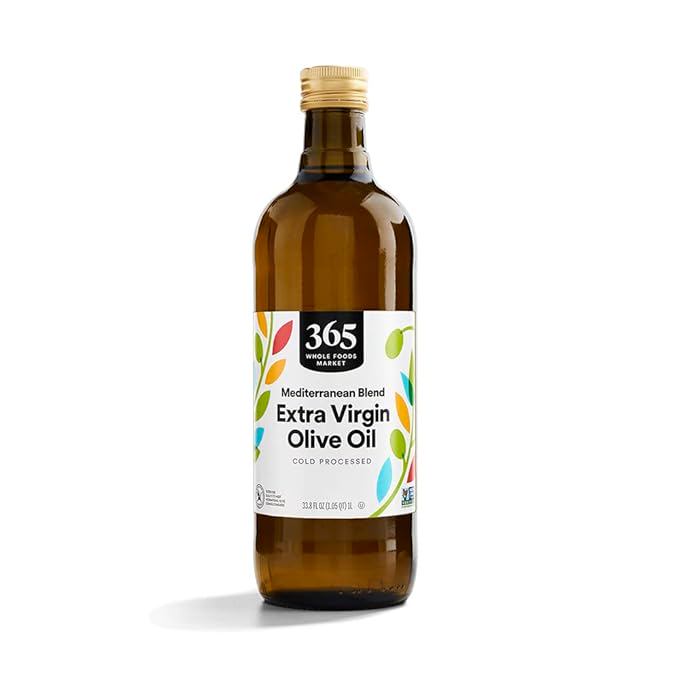
Extra-virgin olive oil (EVOO) is famous for its heart-healthy polyphenols and monounsaturated fats. But it has a relatively low smoke point—around 375°F (190°C). When you heat EVOO past its smoke point, those delicate antioxidant compounds break down, and the oil can form potentially harmful compounds like aldehydes.
What to do instead: Reserve EVOO for dressings, drizzling over cooked vegetables, or very gentle sautéing. For searing meat or stir-frying at high heat, choose an oil with a higher smoke point, such as avocado oil (up to 520°F) or refined coconut oil. These oils stay stable under heat and retain their nutritional profile.
Mistake #2: Storing oils in direct sunlight or near the stove
Healthy oils are rich in polyunsaturated fats, which are chemically unstable. Exposure to light, heat, and oxygen causes them to oxidize—essentially, they go rancid. Rancid oil not only tastes bad but also contains free radicals that can damage cells. Keeping a bottle of flaxseed or walnut oil on the countertop by a sunny window is a fast track to rancidity.
What to do instead: Store all oils—especially nut, seed, and cold-pressed oils—in a cool, dark cabinet or pantry. Dark glass bottles help block light. Buy oils in smaller quantities so you use them before they degrade, and never store them right next to the stove or oven where heat rises.
Mistake #3: Cooking fish at too high a temperature
Fatty fish like salmon, mackerel, and sardines are our best sources of omega-3s (EPA and DHA). These essential fats are highly heat-sensitive. If you blast salmon on high heat for a long time, the omega-3s begin to oxidize and degrade. You end up eating fewer anti-inflammatory fats and possibly more oxidized compounds.
What to do instead: Cook fish gently. Poaching, steaming, or baking at 350°F to 375°F are excellent methods. If you sear, keep the skin-side down and cook just until the flesh is opaque—usually 8–10 minutes total for a fillet. A medium-rare to medium internal temp (around 125°F to 130°F) preserves the most omega-3 content. Let the fish rest for a minute or two after cooking.
Mistake #4: Deep-frying in seed oils (and reusing the oil)
Highly processed seed oils—like soybean, corn, cottonseed, and sunflower oil—are often used for deep-frying because they are cheap and have high smoke points. But these oils are high in omega-6 fatty acids, which can promote inflammation when consumed in excess. More importantly, repeated heating (like in a deep fryer that uses the same oil for hours) creates trans fats and other harmful compounds.
What to do instead: For occasional deep-frying, use a stable oil like avocado oil, coconut oil, or tallow (rendered beef fat). These are less prone to oxidation. Never reuse frying oil more than once or twice, and discard it if it smells stale, looks dark, or smokes excessively. Better yet, air-fry or oven-roast foods to achieve crispness without submerging them in oil.
Mistake #5: Overheating nuts and seeds
Raw nuts and seeds are full of healthy unsaturated fats, vitamin E, and minerals. If you roast them at very high temperatures (above 350°F) for a long time, the good fats start to oxidize and beneficial compounds like vitamin E degrade. Dark, burnt spots on almonds or walnuts are a sign of overheating.
What to do instead: If you prefer roasted nuts, dry-roast them yourself at 300°F to 325°F for 8–12 minutes. Watch them carefully—they can go from perfect to burnt quickly. Alternatively, buy raw nuts and add them to dishes as a topping after cooking. Soaking nuts overnight can also make their nutrients more bioavailable without exposing them to heat.
Mistake #6: Adding healthy fats to dishes that are still boiling hot
You might pour a generous drizzle of flaxseed or walnut oil over a bowl of steaming pasta or soup, thinking you are boosting its nutritional value. Flaxseed oil in particular is extremely delicate and begins to degrade at temperatures even above 105°F. The heat from the dish can oxidize the very compounds you are trying to add.
What to do instead: Drizzle delicate oils only after the dish has cooled slightly—just warm enough to eat but not steaming hot. Alternatively, mix them into cold sauces, dressings, or dips. For hot meals, choose more heat-stable fats like butter, ghee, or avocado oil for cooking, and save the sensitive oils for finishing touches.
Bottom line: Choosing healthy fats is only half the equation. Treating them with care in the kitchen—using the right cooking method, temperature, and storage—makes sure you actually get the nutritional benefit you are paying for. Think of your oils and fatty foods as delicate ingredients, not indestructible staples.