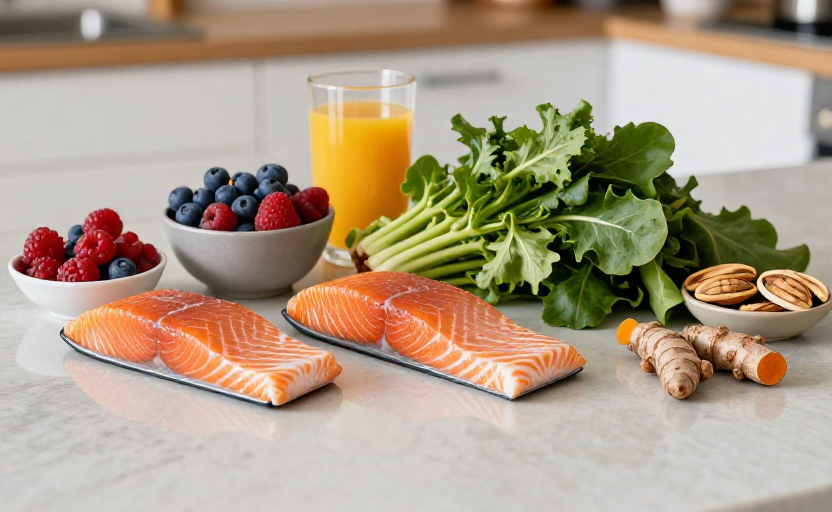
You’ve got your lifting routine dialed in, your form is solid, and you’re consistent. But if you’re only focusing on what happens in the gym, you’re missing a crucial piece of the strength and recovery puzzle. What you put on your plate is just as important as the weight you put on the bar. The right foods don’t just fuel your muscles; they provide the raw materials your joints need to stay resilient under load and help your body repair itself more effectively.
Think of your joints—the knees, shoulders, hips, and elbows—as the hinges that allow all that impressive movement. They’re complex structures of cartilage, synovial fluid, ligaments, and bone. Lifting places stress on them, which is necessary for adaptation, but that stress also creates microscopic damage that needs to be repaired. The nutrients in certain foods can directly support this repair process, reduce exercise-induced inflammation, and help maintain the cushioning and lubrication your joints rely on.
How Food Supports Joints and Recovery
It’s not magic; it’s biochemistry. Intense training creates oxidative stress and triggers a natural inflammatory response as the first step in repairing muscle tissue. Chronic, low-grade inflammation, however, can hinder recovery and wear on joint tissues over time. The goal isn’t to eliminate inflammation completely—that would stop adaptation—but to support your body’s ability to manage it effectively and provide the specific building blocks for repair.
Key nutrients play starring roles. Omega-3 fatty acids are powerful modulators of the body’s inflammatory pathways. Antioxidants from colorful fruits and vegetables combat oxidative stress. Protein provides amino acids, the literal bricks for rebuilding muscle. Collagen peptides supply the unique amino acids that form cartilage, tendons, and ligaments. Minerals like magnesium and zinc are co-factors in hundreds of enzymatic processes involved in recovery. By choosing foods rich in these elements, you’re giving your body the optimal toolkit for rebuilding stronger.
Foods to Focus On
Instead of a long list of supplements, look to your grocery cart first. These six whole-food staples are foundational for anyone looking to lift sustainably and feel good doing it.
Fatty Fish (Salmon, Mackerel, Sardines)
This is your top-tier source of EPA and DHA, the long-chain omega-3 fatty acids with the most robust research for managing inflammation. Regular consumption is linked not only to reduced joint stiffness but also to a more favorable environment for muscle protein synthesis. Aim for at least two servings a week. If you’re not a fish fan, this is one area where a high-quality supplement can fill a clear gap, but the whole food brings the bonus of complete protein and vitamin D.
Grill or bake a salmon fillet with simple herbs for an easy post-training meal that covers protein, healthy fats, and recovery support in one.
Berries (Blueberries, Strawberries, Raspberries)
These colorful gems are packed with anthocyanins and other flavonoids, potent antioxidants that help neutralize the free radicals produced during heavy training. By mitigating oxidative stress, they help protect all your cells, including those in your joints, from unnecessary damage. Their natural sweetness also makes them a great, fiber-rich alternative to processed sugars, which can promote inflammatory responses. Add a handful to your morning oats, blend them into a post-workout smoothie, or enjoy them as a fresh snack.
Leafy Greens (Spinach, Kale, Swiss Chard)
Beyond their vitamin content, dark leafy greens are a significant source of magnesium. This mineral is a workhorse for recovery: it’s involved in muscle relaxation, nerve function, energy production, and protein synthesis. Many people are mildly deficient without realizing it, which can subtly impair recovery capacity. Greens also provide vitamin K, which is important for bone health—the foundation your joints are built upon. Sauté them as a side, blend them into soups, or add a large handful to your scrambled eggs.
Bone Broth or Collagen-Rich Cuts of Meat
Cartilage and connective tissue are rich in collagen. While your body makes its own, providing it with the specific amino acids (like glycine, proline, and hydroxyproline) found in collagen can support that production. Simmering bones for broth pulls these compounds, along with minerals like calcium and phosphorus, into the liquid. Enjoy a warm cup, or use it as a cooking liquid for grains and soups. Similarly, cheaper, collagen-rich cuts of meat like chuck roast, oxtail, or chicken thighs (with skin) provide these building blocks. The slow cooking they require makes them tender and flavorful.
Turmeric (with Black Pepper)
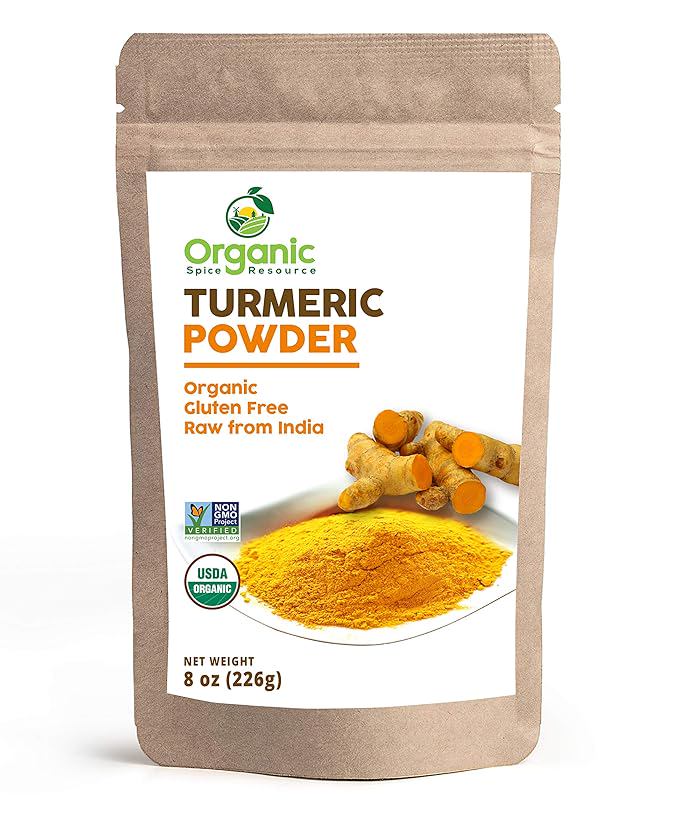
The bright yellow spice turmeric contains curcumin, a compound studied extensively for its ability to support healthy inflammatory responses. The effect is subtle but consistent enough that many lifters notice a subjective difference in joint comfort. The critical detail: curcumin is poorly absorbed on its own. Pairing it with black pepper, which contains piperine, enhances absorption significantly. Add the duo to curries, roasted vegetables, soups, or even a warm recovery drink with milk and honey.
Nuts and Seeds (Walnuts, Almonds, Chia, Flax)
These are nutrient-dense powerhouses. Walnuts and chia seeds offer plant-based omega-3s (ALA). Almonds are rich in vitamin E, another antioxidant. Pumpkin seeds are one of the best food sources of zinc, crucial for immune function and protein synthesis. They also provide healthy fats and fiber, helping to stabilize energy levels. A small handful makes a perfect snack, or you can sprinkle seeds over salads and yogurt for added crunch and nutrition.
Putting It Into Practice
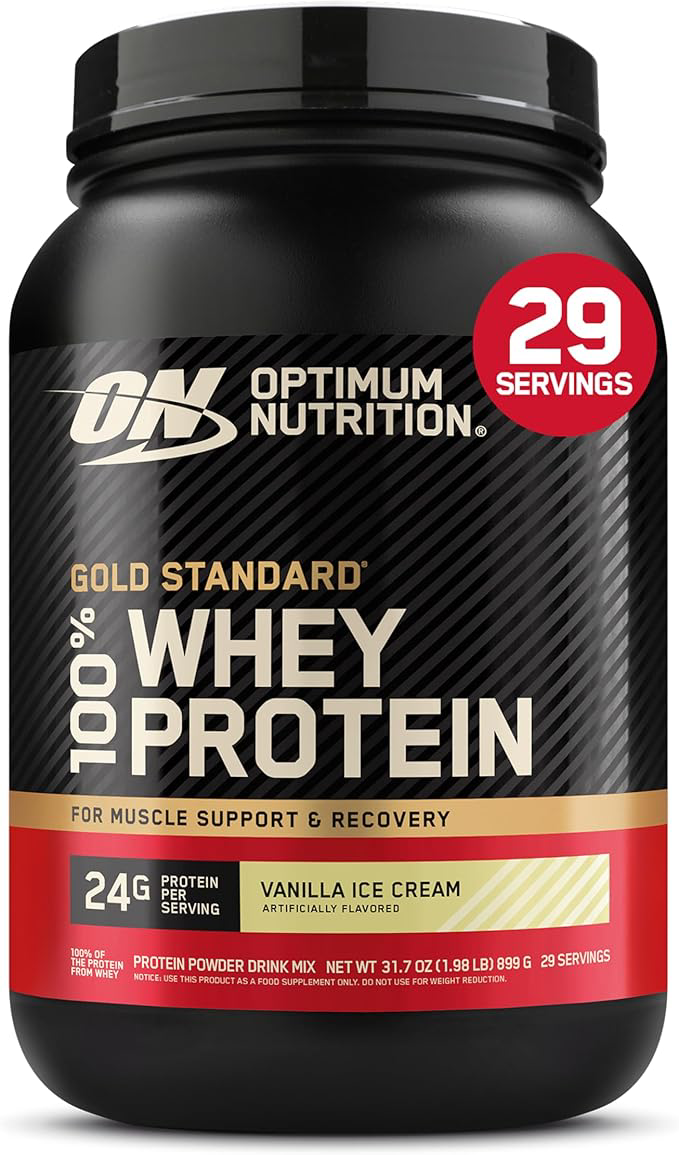
You don’t need to overhaul your diet overnight. Start by adding one or two of these foods consistently. A post-workout smoothie with berries, spinach, and a scoop of protein powder checks multiple boxes. A dinner of baked salmon with a side of turmeric-roasted vegetables does the same.
Pay attention to how you feel over weeks and months, not days. Improved recovery and joint comfort often show up as subtle shifts—less morning stiffness, a feeling of resilience during your next session, or simply bouncing back faster. Pair this nutritional strategy with other pillars of recovery: quality sleep, stress management, and intelligent programming that includes rest. Your joints and your lifts will thank you for the comprehensive support.