If your afternoons often feel like a battle against the vending machine or a desperate search for anything sweet, you are not alone. The 3 PM slump is real, and for many of us, it triggers cravings that can derail even the most balanced day. But instead of fighting willpower alone, consider this: what you eat earlier in the day can either set you up for steady energy or send your hunger hormones on a rollercoaster.
Registered dietitians often point to a specific window—before 3 PM—as a critical time to prioritize foods that stabilize blood sugar and keep satiety signals strong. The idea isn't to starve yourself, but to be strategic. Here are six foods that experts recommend eating before that afternoon hunger surge hits.
1. Eggs: The Satiety Powerhouse
Eggs are one of the most concentrated sources of high-quality protein you can eat. Starting your day with them—or even having them as a mid-morning snack—has been shown to reduce hunger later in the day compared to a carbohydrate-heavy breakfast. The protein triggers the release of hormones like PYY and GLP-1, which signal fullness to your brain. A simple boiled egg or a quick scramble with vegetables can keep your blood sugar steady through lunch and into the early afternoon.
2. Oats: Fiber That Lasts
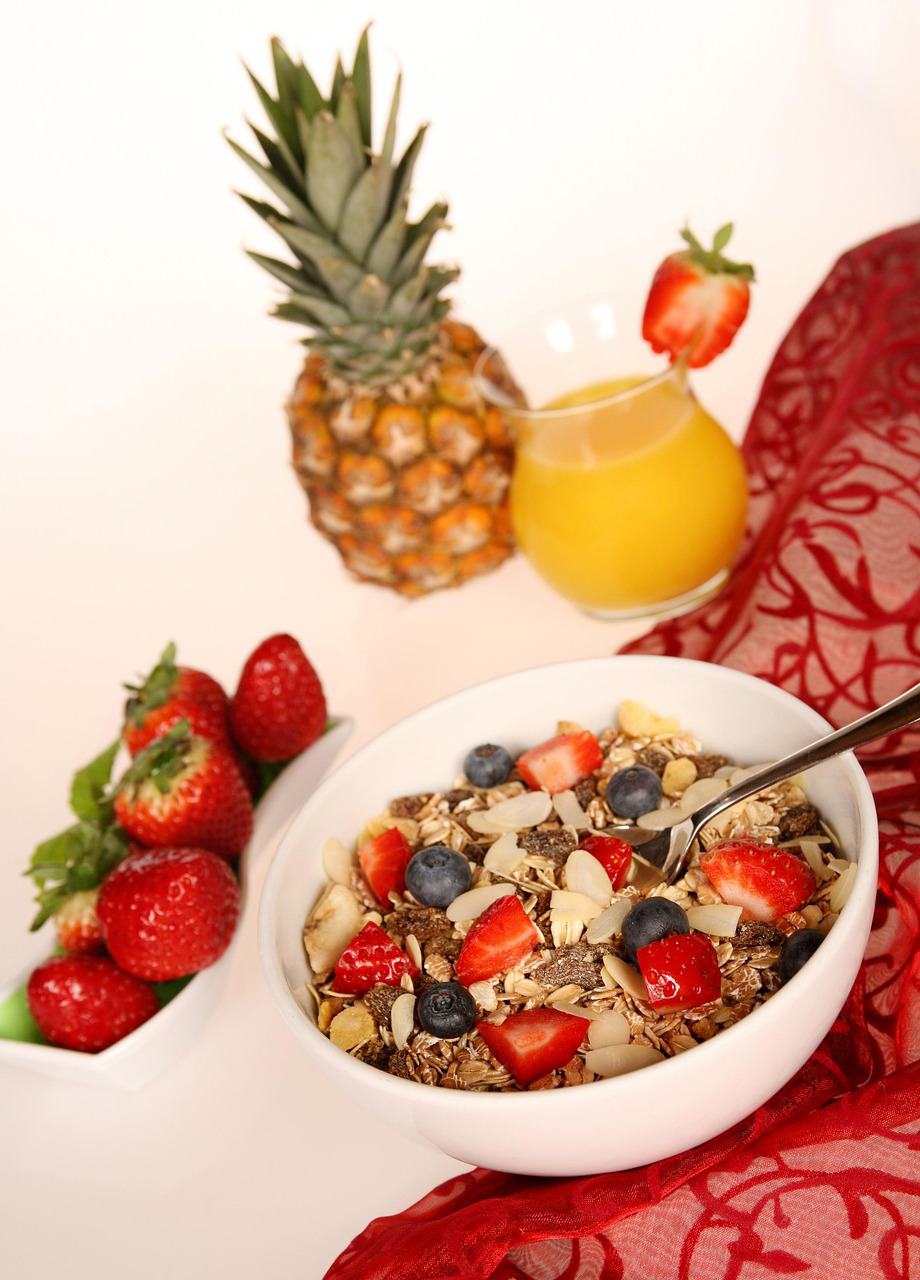
A bowl of oatmeal, especially the steel-cut or rolled kind, delivers a hefty dose of soluble fiber called beta-glucan. This fiber forms a gel-like substance in your gut, which slows digestion and blunts the sharp rise and fall of blood sugar. When you eat oats by mid-morning, you are essentially giving your body a slow-release fuel source. That means fewer cravings and less of a crash come 2:30 PM. Avoid the heavily sweetened instant packets; unsweetened oats with some berries and nuts is the better bet.
3. Greek Yogurt (Plain, Full-Fat or Low-Fat)
Plain Greek yogurt packs nearly twice the protein of regular yogurt, and it offers probiotics for gut health. Protein and fat together are a powerful combo for appetite control. A small bowl of Greek yogurt with a sprinkle of chia seeds or cinnamon can act as a mid-morning anchor. It helps maintain steady blood sugar and prevents the frantic hunger that often leads to poor choices later. The key is to avoid the fruit-on-the-bottom versions, which are often loaded with added sugar.
4. Lentils or Beans
Putting lentils or beans into your lunch is like adding a natural appetite suppressant. They are rich in both protein and soluble fiber, which work together to slow stomach emptying and stabilize glucose levels. A lentil soup, a bean-based chili, or even a handful of roasted chickpeas as a snack will give you sustained energy. People who eat legumes regularly tend to report lower overall hunger and a better ability to manage their weight. It's a simple swap that pays off all afternoon.
5. Avocado
Avocado is predominantly a source of monounsaturated fat and fiber. Healthy fats take longer to digest, which means they help you feel fuller for longer. Adding a quarter of an avocado to your breakfast or lunch can curb the desire to snack mindlessly before dinner. Plus, the creamy texture and mild flavor make it an easy addition to eggs, toast, or salads. It's a satisfying choice that doesn't spike blood sugar, making it a reliable tool for hunger control.
6. Berries (Especially Blueberries and Raspberries)
Berries are low in sugar relative to other fruits and exceptionally high in fiber. A cup of raspberries, for example, has about 8 grams of fiber. That fiber, combined with a high water content, adds volume to your meal without many calories. Eating berries at breakfast or as a mid-morning snack provides a naturally sweet taste that can help with sweet cravings later, but without the blood sugar crash that comes from processed sweets. Pair them with yogurt or oatmeal for even better staying power.
Practical tip: The goal is not to eat all six foods in one meal. Choose one or two to add to your breakfast or lunch routine. Consistency matters more than perfection.
Why the Time Window Matters
Dietitians emphasize the "before 3 PM" window because that is when many people experience a natural dip in energy and a rise in the hunger hormone ghrelin. If you have not eaten enough protein and fiber earlier in the day, your body will send strong signals for a quick-energy fix—usually sugar or refined carbs. By front-loading your day with the right foods, you essentially preempt that crash. You are not just treating the symptom; you are fixing the cause.
This strategy works by keeping your blood glucose curve flat. When you eat a breakfast and lunch rich in protein, fiber, and healthy fats, your pancreas releases insulin in a slow, controlled manner. You avoid the steep spike and rapid drop that lead to cravings, fatigue, and irritability. It is a method grounded in basic physiology, not gimmicks.
Putting It Into Practice
You do not need to overhaul your entire diet overnight. Start by swapping your usual breakfast for eggs or oats. Add a handful of berries or a dollop of Greek yogurt. If you eat lunch out, order something with beans or lentils. The cumulative effect of these small changes, made consistently before the afternoon, is a noticeable reduction in that desperate, urgent hunger. Your body will thank you, and your willpower reserves will last much longer.
Remember, hunger control isn't about eating less—it's about eating smarter. By strategically timing your intake of these six foods, you can navigate the 3 PM slump with calm and control.