
When stiffness creeps into your morning routine or a familiar ache shows up after a walk, it's easy to assume that getting older simply means getting creakier. But the truth is, what you put on your plate has a real impact on how your joints feel and move. Inflammation, oxidative stress, and the slow breakdown of cartilage all respond to dietary choices. While no single food is a cure-all, certain ingredients deliver nutrients that support the connective tissues, reduce inflammatory signaling, and help you stay fluid in your daily movements.
Below are six foods with solid science behind them. They won't replace proper medical care, but they can give your joints the nutritional support they need for better mobility over the long haul.
Fatty Fish: Omega-3s as Nature's Lubricant
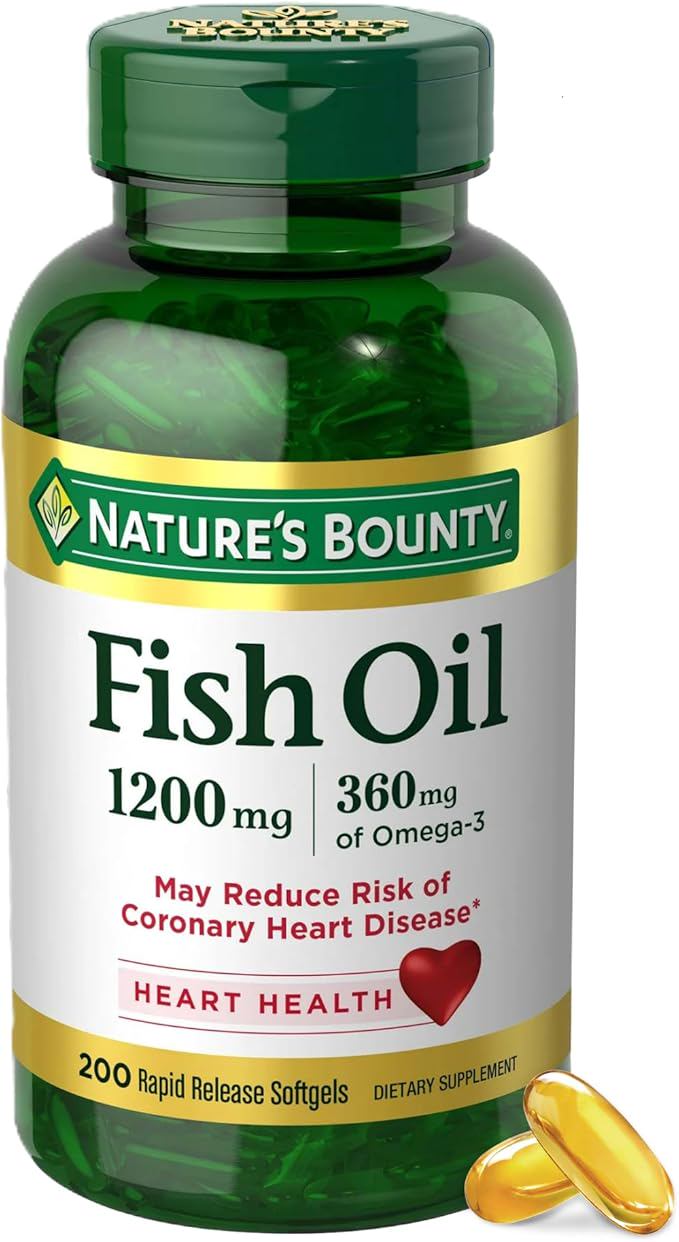
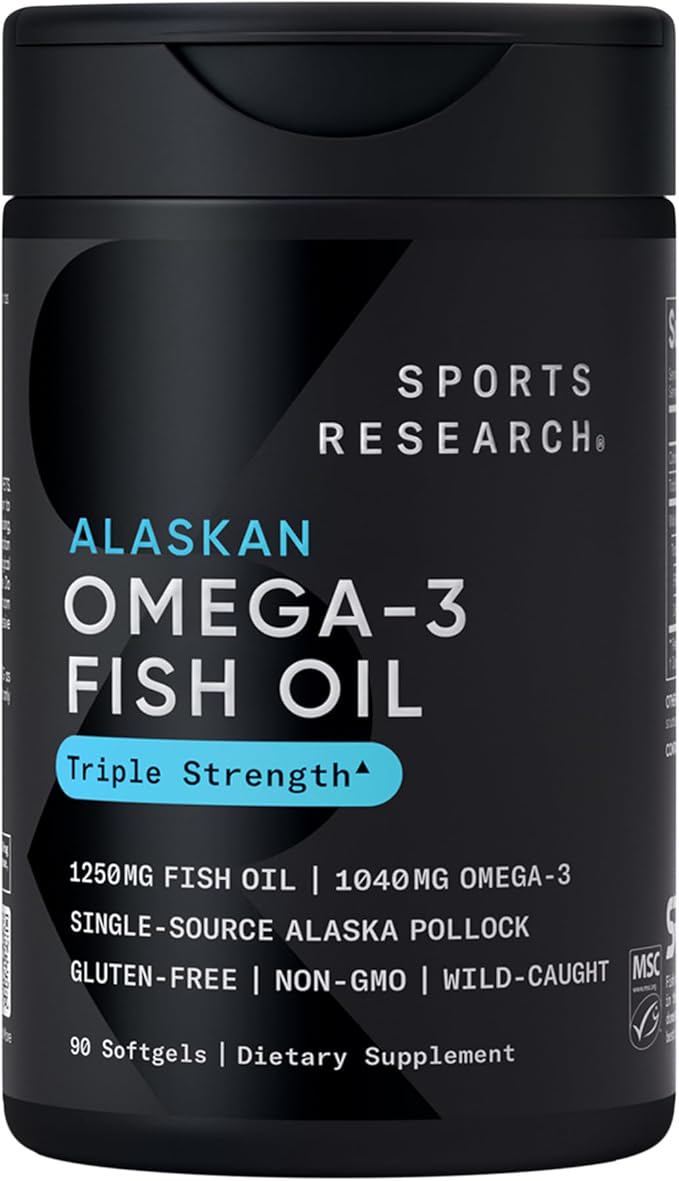
Fatty fish like salmon, mackerel, sardines, and anchovies are rich in eicosapentaenoic acid (EPA) and docosahexaenoic acid (DHA) — two forms of omega-3 fatty acids that are known to dampen inflammation. For people with osteoarthritis or rheumatoid arthritis, regular intake of these fats can reduce morning stiffness and joint tenderness. Studies have shown that omega-3s lower the production of inflammatory cytokines and enzymes that break down cartilage. Aim for two servings per week, prepared simply — grilled, baked, or poached — without heavy oils or sugary glazes.
Leafy Greens: Vitamin K and Antioxidants for Cartilage Protection
Spinach, kale, Swiss chard, and collard greens are packed with vitamin K, a nutrient that activates proteins involved in bone mineralization and cartilage structure. Inadequate vitamin K intake has been linked to increased risk of osteoarthritis, particularly in the hands and knees. These greens also deliver high levels of antioxidants like lutein and beta-carotene, which help neutralize free radicals that can damage joint tissues over time. A daily serving — roughly two cups raw or one cup cooked — is a practical target.
Berries: Anthocyanins That Calm Joint Inflammation
Blueberries, strawberries, raspberries, and blackberries owe their deep colors to anthocyanins, compounds that research has shown can reduce inflammatory markers such as C-reactive protein (CRP) and tumor necrosis factor alpha (TNF-alpha). Regular berry consumption has been associated with lower risk of gout flares and better physical function in older adults. They're also a good source of vitamin C, which is essential for collagen synthesis — the protein that forms the scaffold of cartilage. Frozen berries retain most of their nutritional value, making them a year-round option for smoothies, oatmeal, or yogurt.
Turmeric: Curcumin for Pain and Stiffness
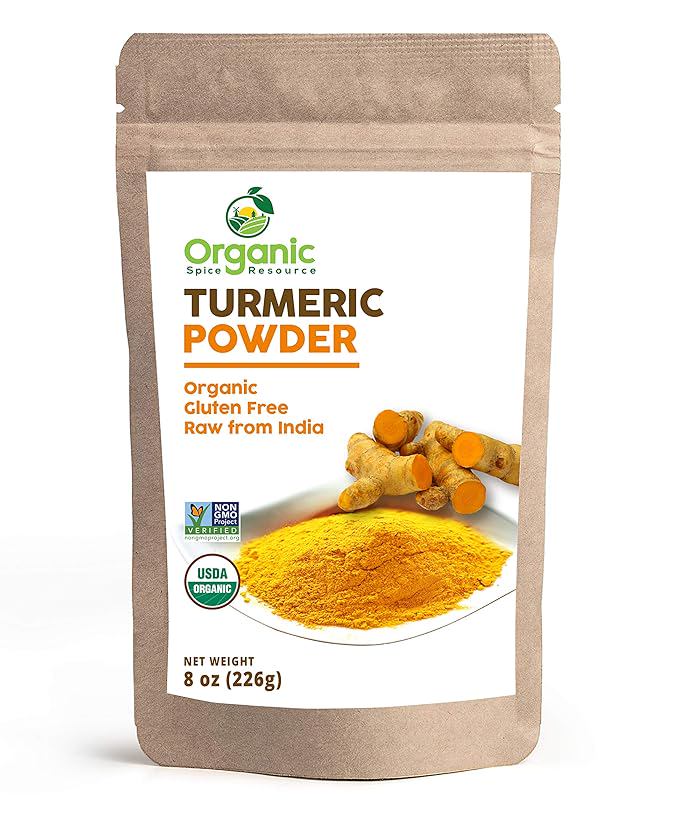
Turmeric's active compound, curcumin, has been studied extensively for its anti-inflammatory properties. Clinical trials suggest that taking curcumin supplements (often formulated with piperine to enhance absorption) can reduce pain and improve function in people with knee osteoarthritis. While the doses used in research exceed what you'd get from sprinkling turmeric on food, using the spice regularly in cooking — paired with black pepper and a fat source like coconut oil or olive oil — can still provide low-level support. Fresh turmeric root can be grated into soups, curries, or scrambled eggs.
Quick tip: Combine turmeric with black pepper and a healthy fat to increase curcumin absorption by up to 2000%. A turmeric latte made with coconut milk and a pinch of pepper is a simple way to get it daily.
Bone Broth or Collagen-Rich Foods: Amino Acids for Connective Tissue
Bone broth, chicken feet, and cuts of meat with skin and cartilage provide natural collagen and amino acids like glycine and proline. The idea is that consuming these building blocks may stimulate your body's own collagen production, supporting the integrity of tendons, ligaments, and cartilage. While the evidence is mixed — some studies show modest improvements in joint pain, others find no benefit — many people report subjective relief. If you choose to try bone broth, look for homemade or unsalted varieties with long simmer times (12–24 hours). Collagen powders are another option, but they are not a substitute for whole-food sources of protein and micronutrients.
Almonds and Other Nuts: Vitamin E to Slow Oxidative Damage
Almonds, walnuts, and sunflower seeds are rich sources of vitamin E, a fat-soluble antioxidant that protects cell membranes from oxidative stress. In the context of joint health, vitamin E may help prevent the breakdown of cartilage by neutralizing free radicals. A small study found that people with osteoarthritis who consumed almonds daily for six weeks experienced significant reductions in pain and stiffness. Keep portions reasonable — about a quarter cup (one small handful) per day — to avoid excess calories. Unsalted, dry-roasted or raw varieties are best.
Supporting better mobility isn't about quick fixes or extreme diets. It's about consistently including foods that feed your connective tissue and calm chronic inflammation. Pair these six choices with regular movement — walking, stretching, or resistance training — and you give your joints a genuine advantage as you age. As always, talk with your doctor or a registered dietitian before making significant dietary changes, especially if you have an existing condition or are on medication.