
After a tough workout, you already know your muscles need time to repair — but what you put on your plate can make a real difference during that recovery window. Muscle soreness, especially the delayed kind that peaks 24 to 72 hours after exercise, is partly driven by inflammation and microscopic damage to muscle fibers. Choosing the right foods doesn't just soothe the ache; it supports your body's natural repair process and helps rebuild strength more efficiently.
Here are six science-backed foods to include in your post-workout meals or snacks when recovery is the goal — no complicated regimens required.
1. Tart cherries (and tart cherry juice)
Tart cherries are rich in anthocyanins, a type of antioxidant that helps reduce inflammation and oxidative stress. A growing body of research suggests that drinking tart cherry juice after intense exercise can lower markers of muscle damage and speed up strength recovery. Think of them as nature's recovery aid — they can be eaten whole, blended into smoothies, or sipped as a tart juice (just watch for added sugars in store-bought versions).
2. Fatty fish (like salmon and mackerel)
Fatty fish are one of the best dietary sources of omega-3 fatty acids, specifically EPA and DHA. These long-chain fats have well-documented anti-inflammatory effects, and studies have shown that regular consumption can reduce muscle soreness and improve range of motion after strength training. Aim for two servings per week — a grilled salmon fillet post-workout is both satisfying and supportive.
3. Brightly colored vegetables (beets, spinach, bell peppers)
Vegetables with deep color signals high antioxidant content. Beets, for example, are loaded with nitrates that improve blood flow, which helps deliver oxygen and nutrients to tired muscles. Leafy greens like spinach provide magnesium and other minerals that play a role in muscle relaxation and recovery. You don't need to eat a mountain — a colorful salad or a roasted veggie bowl can cover a lot of ground.
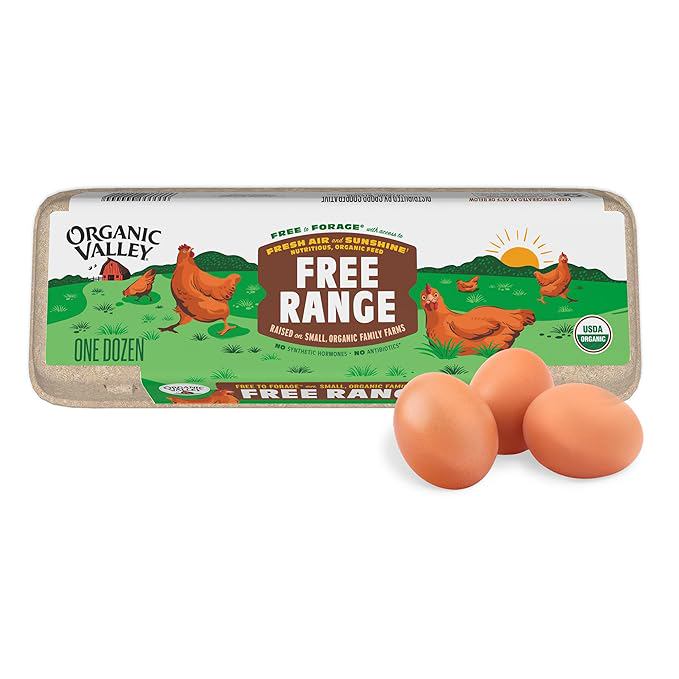
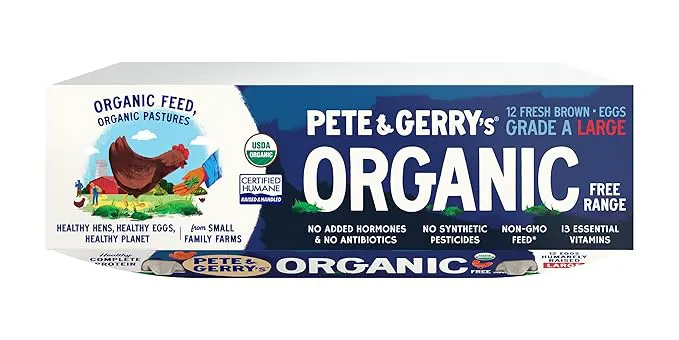
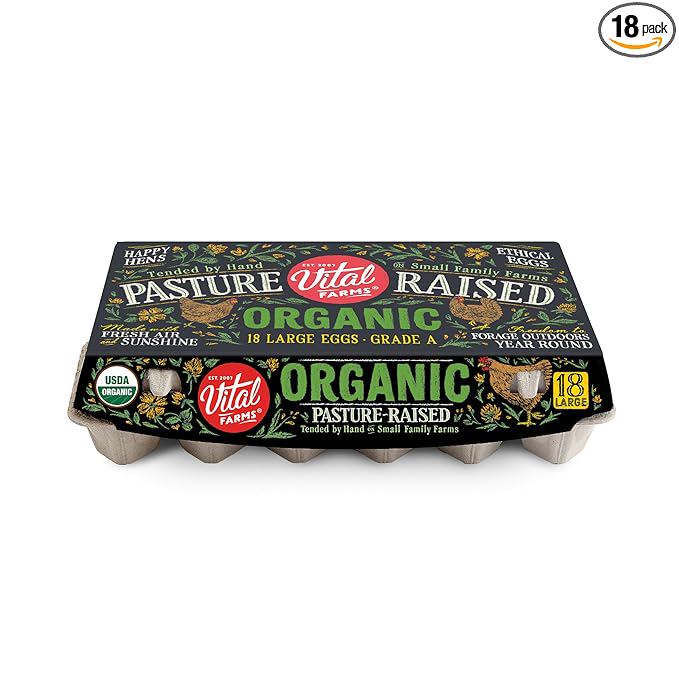
4. Eggs
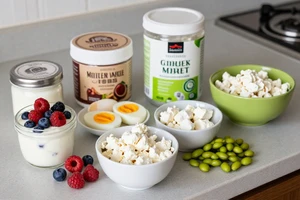
Eggs are a complete protein source, meaning they contain all nine essential amino acids your body needs for muscle repair. The leucine content is especially important because leucine directly triggers muscle protein synthesis — the process that rebuilds muscle fibers after they've been stressed during exercise. A couple of eggs within a few hours of training can give your recovery a solid head start.
5. Watermelon
Watermelon contains an amino acid called L-citrulline, which may help reduce muscle soreness by improving circulation and clearing ammonia and other metabolic waste products from the blood. Some small studies have linked watermelon juice with lower heart rate and better recovery after exercise. It's also high in water content, which supports hydration — a key but often overlooked factor in muscle recovery.
6. Whole grains (like oats and quinoa)
Carbohydrates are your muscles' primary fuel source, and replenishing glycogen stores after a workout is part of effective recovery. Whole grains provide steady-release carbs plus fiber and B vitamins that help convert food into usable energy. Pair oats with berries and milk or a hard-boiled egg, and you've got a balanced recovery meal that covers protein, carbs, and anti-inflammatory compounds.
Putting it together: simple recovery meals
You don't need to eat all six foods at once. A few combinations that work well in real life:
- Scrambled eggs with sautéed spinach and a side of watermelon
- Grilled salmon with a quinoa salad and roasted beets
- A smoothie with tart cherry juice, oats, and a handful of spinach
Consistency matters more than perfection. Including even two or three of these foods regularly, especially in the hours after a workout, can help your muscles feel less stiff and recover more fully so you're ready for your next session.