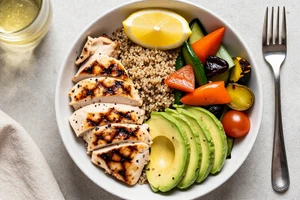
Eating less usually sounds like a plan that ends with a rumbling stomach and a short temper. It doesn't have to be that way. Sometimes, the issue isn't that you need to eat less food — it is that you need to eat different food. The trick to shrinking your portions without feeling deprived has little to do with willpower and everything to do with swapping one ingredient, one cooking method, or one plate for another. Small adjustments can deliver far more satisfying volume and sensory appeal. Here are six concrete swaps that naturally dial down calorie density while leaving you pleasantly full.
Swap Juicy Fruits for Dried Ones
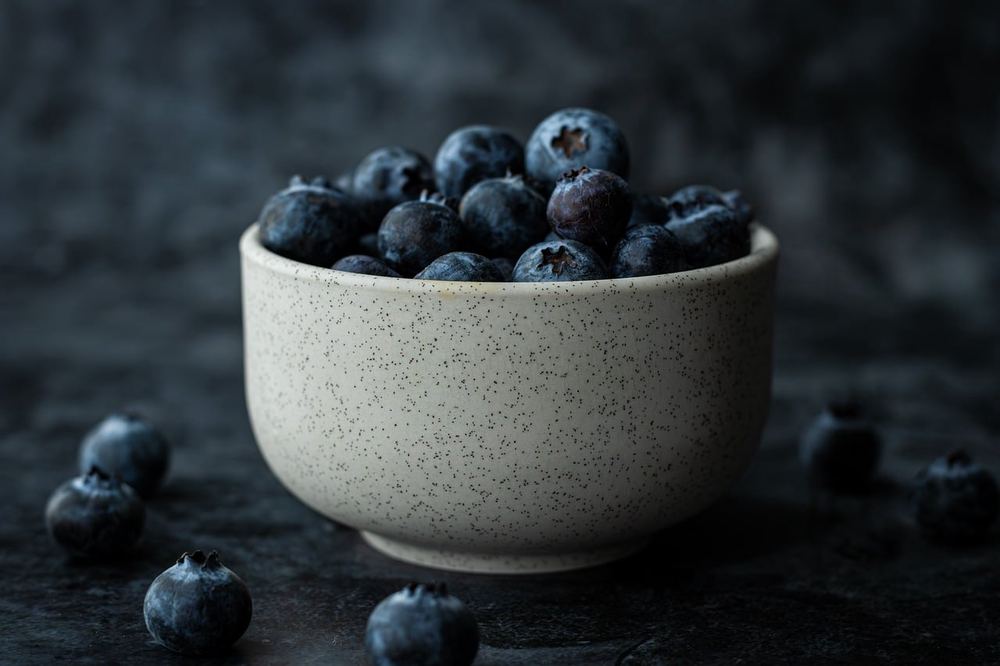
Dried fruit is a concentrated source of sugar and energy. A half-cup of raisins packs about the same number of calories as two cups of fresh grapes, but the fresh grapes take up more room in your stomach and take longer to chew. When you crave a sweet bite, try a whole piece of fresh fruit: a crisp apple, a handful of berries, or a bowl of sliced melon. The water content physically stretches your stomach, activating stretch receptors that signal fullness long before you have consumed the same amount of dried fruit.
Swap Cream-Based Soups for Broth-Based Ones
Liquid calories can be tricky, but when they come in the form of a chunky, low-calorie soup, they can actually help you manage portions later in a meal. Instead of a creamy chowder or a cheese-heavy bisque, reach for a vegetable-loaded minestrone, a clear chicken and vegetable soup, or a spicy lentil broth. Starting a meal with a bowl of broth-based soup has been shown in research to reduce total calorie intake at that sitting, because the liquid and vegetables fill the stomach without tipping the energy scale. You get a larger volume of food for fewer calories, and the warmth adds a sense of satiety that cold starters often lack.
Swap White Rice and Pasta for Riced Veggies or Zucchini Noodles
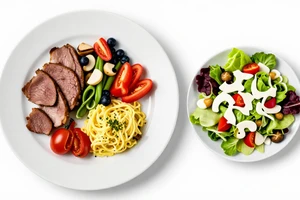
Grains are easy to overdo. A standard serving of cooked pasta or rice can look sparse on an adult plate, and it is natural to pile on more. Replace half your grain with a low-calorie, high-volume alternative. Riced cauliflower mimics the texture of rice and takes on the flavor of whatever you season it with. Zucchini noodles (zoodles) offer a satisfying chew that pairs well with tomato sauces and pestos. You can keep the other half of your plate as regular grains or pasta, but now you have a heaping bowl that feels like a generous portion. The visual cue of a full plate is powerful; your brain registers the abundance before your stomach has to send any signals.
A practical tip: if you are new to vegetable noodles, start with a 50/50 mix rather than going all-in. Your palate adjusts quickly, and the full plate trick works better when the swap does not taste like a compromise.
Swap Ground Meat for Mushrooms or Lentils
Meat is dense with calories and protein, which is fine in moderate amounts. To stretch your meal and reduce portion size without losing the savory satisfaction, replace a quarter to a half of your ground meat with finely chopped mushrooms or cooked brown lentils. Mushrooms have a deep umami flavor and a meaty bite, especially cremini or portobello varieties. Lentils bring a subtle earthiness and a fiber boost that slows digestion. In a Bolognese sauce, a chili, or a taco filling, the swap is barely noticeable by taste, but your total plate weight stays high while the calorie count drops. You leave the table feeling full, not shortchanged.
Swap a Sandwich for an Open-Faced Wrap or Lettuce Wrap
Bread contributes a surprising number of calories to a meal, often without adding much nutritional density. Instead of eliminating the sandwich, change its structure. Use one slice of sturdy whole-grain bread as an open-faced base, or wrap your fillings in a large lettuce leaf, a collard green, or a thin rice paper wrapper. The core ingredients — turkey, avocado, tomato, mustard — stay the same, but you cut out the extra bread. The result is a lunch that still requires handling and eating, yet it automatically reduces your portion size. For the open-faced version, treat the bread as a platform, not a vessel. Pile on vegetables and protein, eat it with a knife and fork, and notice how the slower pace of eating helps your fullness cues catch up.
Swap a Glass of Juice or Soda for Sparkling Water with Citrus
Liquid sugar does not trigger the same satiety mechanisms as solid food. You can drink a large glass of orange juice or a can of soda and still feel hungry enough to eat a full meal. Replacing that sugary drink with sparkling water and a generous squeeze of lemon, lime, or a few muddled berries removes those calories instantly. The carbonation adds a sensory novelty that mimics a treat, and the acidity of citrus wakes up your taste buds. If you crave something sweeter, try a few drops of a zero-calorie fruit essence or a splash of unsweetened pomegranate juice. This swap alone can shave 150–200 calories from a meal without any feeling of sacrifice, and it leaves room for a more satisfying solid portion.
Portion control does not need to mean eating tiny, sad servings. It means choosing foods that naturally take up more space in your stomach and on your plate. The swaps above are not about deprivation. They are about working with your body's signals — stretch, chew, savor — to feel full on less. Try one swap for a week. See if the scale shifts and your mood stays steady. That is the real measure of a sustainable change.