
If you’ve just started lifting, you know the feeling: that deep, satisfying ache in your muscles a day or two after a good session. It’s a sign of progress, but it can also make stairs, sitting, and even reaching for a coffee cup a little rough. While rest and hydration are key, what you eat plays a direct role in how quickly your muscles recover and how sore you feel.
You don’t need exotic superfoods or expensive powders. Some of the most effective ingredients for reducing soreness are likely already in your kitchen or easy to find at the grocery store. Here are six beginner-friendly foods that can help you bounce back faster and feel stronger after each workout.
Tart cherries: the natural anti-inflammatory
Tart cherries—and their juice—are one of the most well-researched foods for exercise recovery. They’re rich in anthocyanins, plant compounds that reduce inflammation and oxidative stress caused by intense lifting. A study published in the Journal of the International Society of Sports Nutrition found that drinking tart cherry juice for several days before and after a strenuous workout significantly reduced muscle soreness and strength loss.
For beginners, a small glass of tart cherry juice (look for unsweetened) after your session, or a handful of dried tart cherries mixed into oatmeal or yogurt, is an easy way to support recovery.
Fatty fish: omega-3s for muscle repair
Fatty fish like salmon, mackerel, and sardines are packed with omega-3 fatty acids, which help calm the inflammatory response that contributes to delayed-onset muscle soreness. A 2016 study in Clinical Journal of Sport Medicine showed that omega-3 supplementation reduced muscle soreness after eccentric exercise—the kind of lengthening contraction that happens during lowering a weight.
Eating two servings of fatty fish per week (about 3-4 ounces each) can give your muscles a steady supply of these beneficial fats. If you’re not a fish fan, a fish oil supplement is a reasonable alternative, but whole food sources also provide protein and vitamin D, which support repair.
Beets: blood flow and oxygen delivery
Beets are rich in dietary nitrates, which your body converts into nitric oxide. This compound widens blood vessels, improving circulation and oxygen delivery to sore muscles. Better blood flow means more nutrients reach the tissue and waste products get cleared out faster.
You can enjoy beets roasted, grated raw into salads, or as a juice. For a simple recovery snack, try a small beet and apple smoothie after your workout. The natural sweetness makes it beginner-friendly even if you’re not used to earthy flavors.
Small, consistent choices add up. A post-lift snack that combines protein, carbohydrates, and anti-inflammatory compounds can shift your recovery from sluggish to smooth.
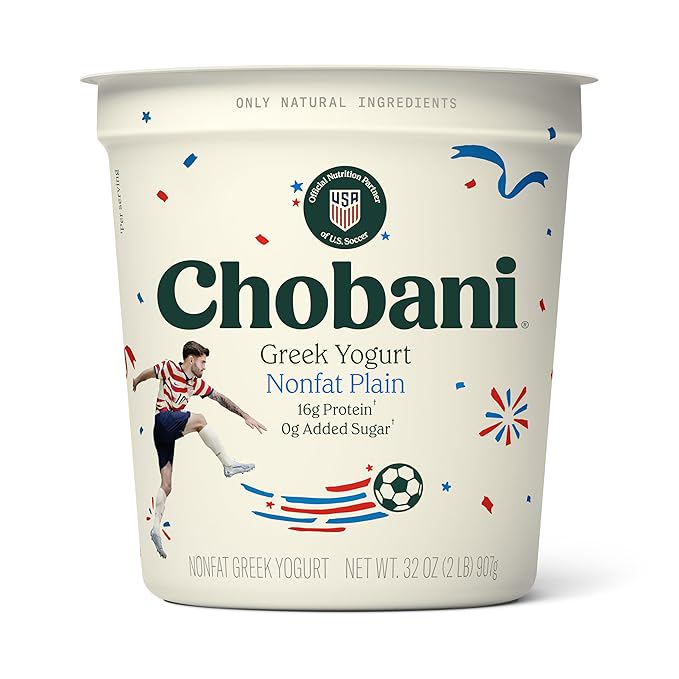
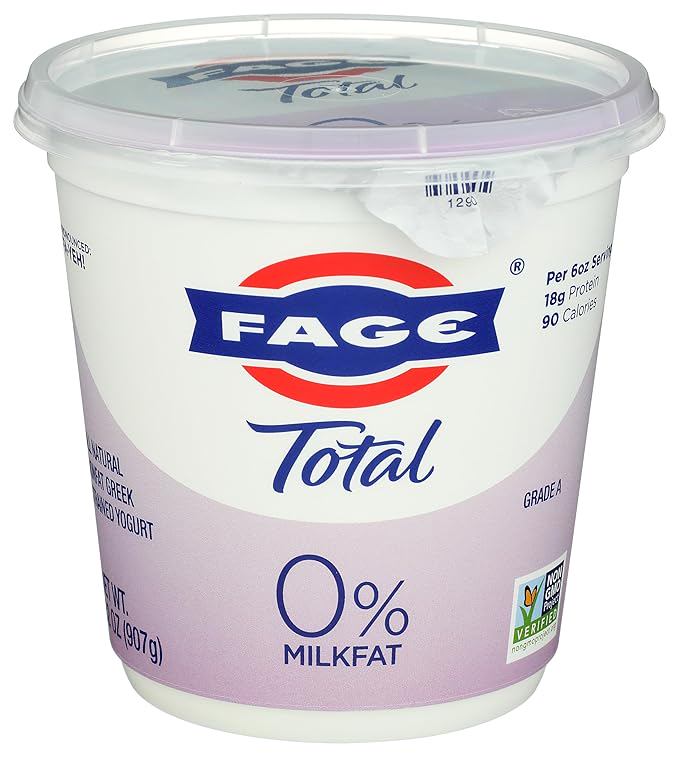
Greek yogurt: protein and probiotics
Muscle soreness is partly caused by microscopic damage to muscle fibers. To repair that damage, your body needs high-quality protein. Greek yogurt delivers around 15-20 grams of protein per serving, plus it contains casein and whey—two proteins that are absorbed at different rates, providing both immediate and sustained amino acid release.
The probiotics in yogurt also support gut health, which plays a surprising role in systemic inflammation. A healthy gut can help modulate the immune response to exercise, potentially reducing how sore you feel. Stick with plain Greek yogurt to avoid added sugars, and mix in some berries or a drizzle of honey for flavor and extra antioxidants.
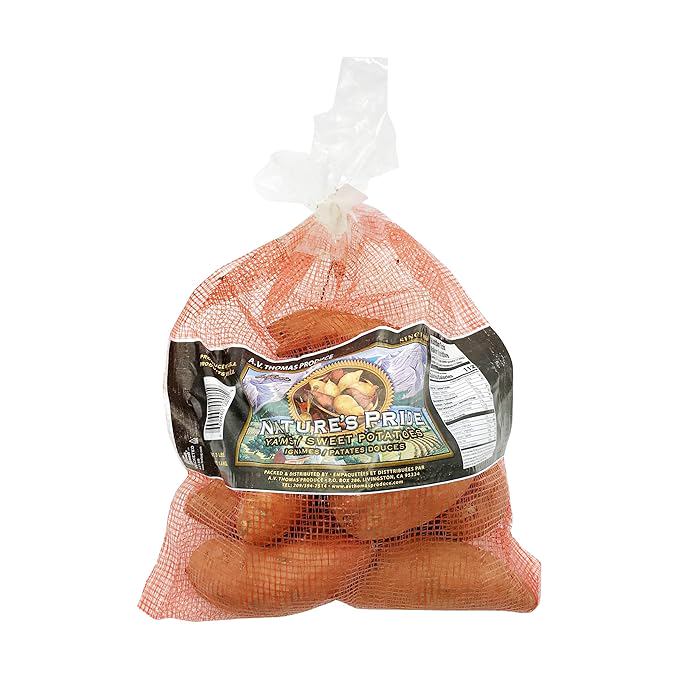
Sweet potatoes: complex carbs for glycogen replenishment
After lifting, your muscles are low on stored glycogen. Replenishing these energy stores is critical for recovery because glycogen helps power the repair process. Sweet potatoes are an excellent source of complex carbohydrates with a low glycemic index, meaning they provide steady energy without spiking blood sugar.
They’re also loaded with vitamin C and manganese, both of which are involved in collagen production and antioxidant defense—key factors in rebuilding connective tissue and managing post-workout inflammation. Roast a sweet potato ahead of time and eat it warm or cold as a quick side to your post-lift meal.
Eggs: the complete recovery protein
Eggs are a gold standard for muscle repair. They contain all nine essential amino acids in the right proportions, making them a complete protein source. The leucine in eggs is particularly important because it triggers muscle protein synthesis—the process that rebuilds and strengthens muscle fibers after they’ve been stressed.
Research from the American Journal of Clinical Nutrition found that eating whole eggs after resistance exercise stimulated muscle protein synthesis more effectively than eating just egg whites, probably because the yolk contains additional nutrients like healthy fats and choline. Two or three eggs, boiled or scrambled, within a few hours after lifting can make a noticeable difference in how your muscles feel the next day.
Putting it together
You don’t have to overhaul your entire diet. Start by adding one or two of these foods into your post-workout routine. Maybe a Greek yogurt with tart cherries after one session, and a salmon-and-sweet-potato dinner after another. Over time, these small, consistent choices add up—and so will your strength.
Remember that food works best alongside other recovery habits: staying hydrated, getting enough sleep, and giving your muscles at least 48 hours of rest before working the same muscle group again. If soreness lasts longer than a few days or feels unusually sharp, check in with a healthcare provider.