You lace up your sneakers, ready to hit your stride. But a few minutes in, that familiar ache or sharp pinch around your kneecap forces you to slow down. It's frustrating, especially when you're motivated and eager to make progress. Knee pain is one of the most common workout interruptions, and it rarely means you have to stop exercising altogether. What it often means is that it's time to pause, get curious, and ask yourself a few specific questions.
Instead of guessing or pushing through the pain, use these five questions as your personal diagnostic tool. They'll help you identify likely causes and safe adjustments—so you can keep moving without making things worse.
1. Am I Overdoing It on Repetitive Impact?
The knee is a hinge joint designed for controlled bending and straightening. When you repeat the same motion hundreds of times—whether it's running on pavement, cycling with too much resistance, or doing countless lunges—the tendons and cartilage can become irritated. This is often called "overuse."
Ask yourself how many high-impact workouts you've done this week without a true recovery day. If you've done four or more runs or plyometric sessions back-to-back, that may be your answer. The fix is not total rest but a temporary swap: try a lower-impact alternative like swimming, an elliptical machine, or a walking incline session for two to three days.
2. Do My Feet and Ankles Feel Stable?
Knee pain often starts below the knee. Your foot and ankle form the foundation of your kinetic chain. If your arch collapses (overpronation) or your ankles are weak, that instability travels upward and forces your knee to twist or compensate with every step and squat.
Stand barefoot and look at your arches while you do a shallow squat. Do your ankles roll inward? Do your knees cave toward each other? If you notice this, your footwear matters. Proper athletic shoes with good arch support or custom orthotics can realign the chain. You can also strengthen your glutes and hips—more on that next.
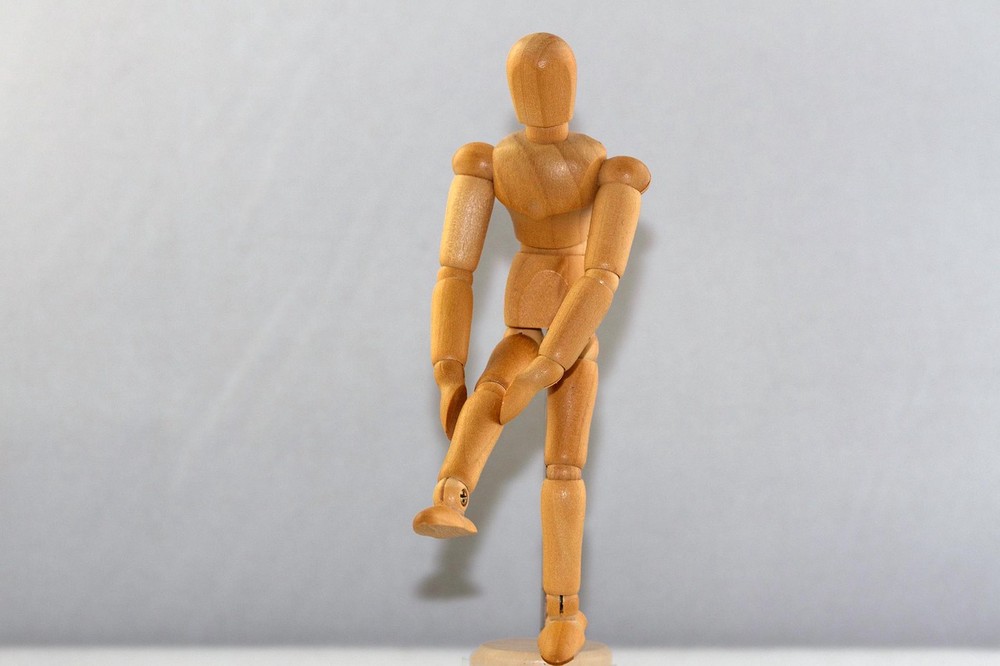
Quick test for ankle stability
Try a single-leg balance on each side for 30 seconds. If you wobble significantly or your ankle rolls out, that's a clue that your knee is taking the load meant for supporting muscles.
3. Are My Glutes and Hips Actually Doing Their Job?
Weak hips and glutes are a leading cause of patellofemoral pain syndrome (the technical name for runner's knee and similar anterior knee pain). Your glute medius—a small muscle on the side of your hip—is responsible for keeping your thigh bone stable when you lift your leg. If it's sleepy, your knee rotates inward, pinching the kneecap against the thigh bone.
A simple clue: after a workout, do your knees feel sore while your glutes feel barely used? That's a sign your hips are slacking.
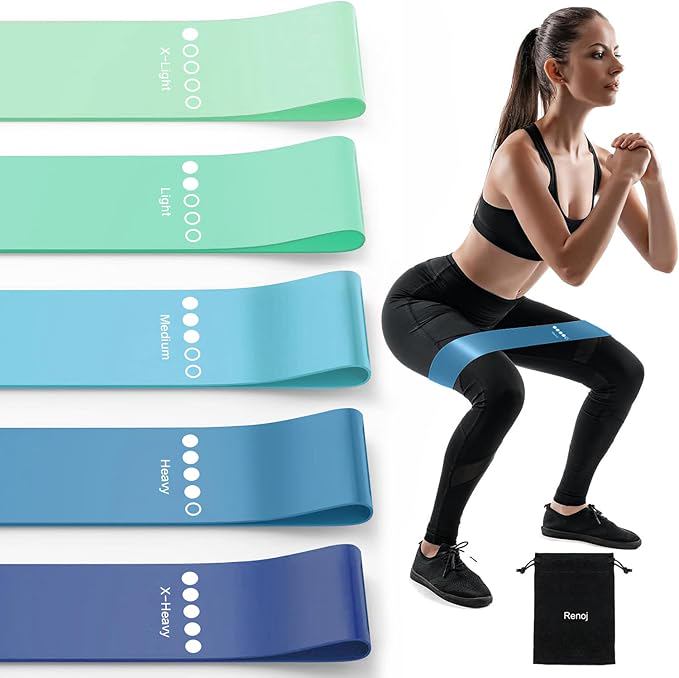
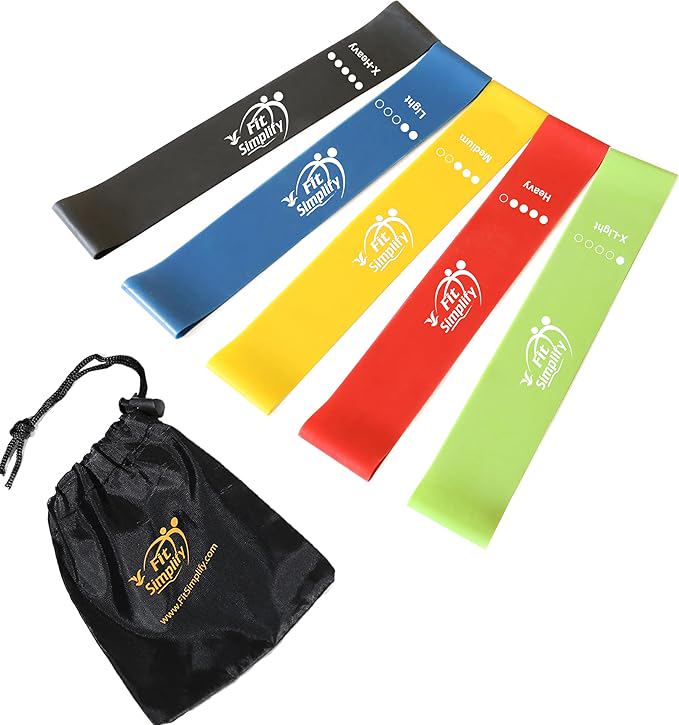
Incorporate glute bridges, clamshells, and lateral band walks into your warm-up, two to three times a week. Once those muscles engage properly, the pressure on your knee decreases noticeably.
4. Is My Quad-to-Hamstring Strength Ratio Off?
The knee is controlled by two main muscle groups: the quadriceps (front thigh) and the hamstrings (back thigh). An imbalance—often where the quads are much stronger and tighter than the hamstrings—pulls the kneecap upward and out of its natural groove. This creates friction and pain, especially when descending stairs, squatting deep, or slowing down from a run.
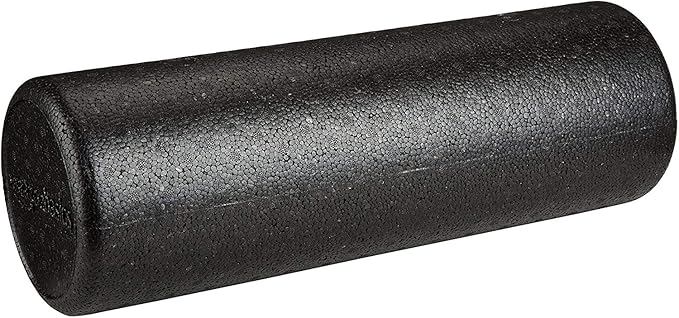
Ask yourself about your training split: do you neglect hamstring curls, Romanian deadlifts, or Nordic lowers? If you mostly do leg extensions or running, you're likely quad-dominant. Adding two dedicated hamstring exercises per week can restore balance. Also, foam rolling your quads can temporarily help if they feel tight, but the long-term fix is strengthening the back of your leg.
5. What Does the Pain Actually Feel Like, and When Does It Appear?
This question helps you distinguish between joint irritation, tendinitis, or a more structural issue. Not all knee pain is the same, and the timing of the pain is a strong diagnostic clue.
- A dull ache during or after activity that subsides with rest often suggests tendinitis or early overuse. This usually responds well to load management and eccentric exercises.
- Sharp, catching pain with specific movements (like twisting, deep squatting, or landing) may indicate a meniscus issue or patellar tracking problem that benefits from a professional evaluation.
- Pain that worsens as you warm up and then improves is sometimes cartilage-related, pointing to possible early osteoarthritis—especially in adults over 40.
- Stiffness and pain that appear the morning after a hard session often signal joint inflammation needing more recovery time.
If pain persists at rest or wakes you at night, skip the self-assessment and see a physical therapist or sports medicine provider.
How to Move Forward Safely
Knee pain doesn't mean your workout days are over. It means your body is asking for a smarter approach. Reduce impact for a few days, check your footwear, strengthen your hips and hamstrings, and pay honest attention to what your pain is telling you. Most cases of exercise-related knee pain improve within a few weeks with these targeted adjustments.
Medical disclaimer: This article is for general educational purposes only. It does not replace professional medical advice. If your pain is severe, chronic, or accompanied by swelling or instability, consult a qualified healthcare provider.