
You finished your set. Your muscles are tired, your form was solid, and you feel that satisfying pump fading. You did the hard part. Now comes the part that many beginners, especially in strength training, get wrong: what you eat and drink after you rack the weights.
Post-workout nutrition isn't about chugging protein shakes within a thirty-second “anabolic window” or starving yourself to preserve calorie burn. It is about giving your muscles the raw materials they need to repair, adapt, and get stronger. But if you are new to lifting, it is easy to fall into a few common traps that can stall your progress, leave you feeling drained, or even hurt your results over time. Here are five specific mistakes beginners make with post-workout nutrition after strength training, and how to fix them simply.
Mistake 1: Skipping the meal or protein entirely
Maybe you think you are saving calories. Maybe you are in a rush. Maybe you just aren't hungry after a hard lift. But skipping nutrition after strength training is like building a brick wall, then walking away without any mortar. Your muscles have been broken down during the workout. Without protein and nutrients, the repair process slows down, and you may feel sore longer than necessary.
What to do instead: aim for a meal or snack containing about 20 to 40 grams of high-quality protein within a few hours after training. It does not have to be immediate. You do not need a clock. But try to get something in before your next major meal. Even a glass of milk or a simple chicken breast with rice works. If you are plant-based, look to tofu, lentils, or a soy-based protein powder. The key is making it a habit, not an occasional extra.
Mistake 2: Only focusing on protein and forgetting carbs
Protein gets most of the glory, and for good reason. But beginners often assume that lifting weights means they only need protein. Carbs become the enemy. This is a major misunderstanding. Resistance training uses glycogen from your muscles for fuel. After your last rep, those glycogen stores are partially depleted. If you replace only protein and skip carbohydrates, you are leaving energy on the table. Your body needs both: protein for repair, and carbohydrates to replenish glycogen and help drive that protein into muscle tissue via insulin.
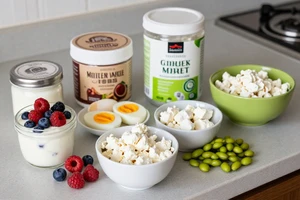
What to do instead: combine a protein source with a carbohydrate source after training. Think Greek yogurt with berries. A turkey sandwich on whole-grain bread. A shake with banana and milk. Rice and beans. The ratio does not need to be perfect. Just make sure carbs are present. A 2:1 or 3:1 ratio of carbs to protein works well for most people trying to build muscle, but any real food combo is a win.
Mistake 3: Relying on supplements instead of real food
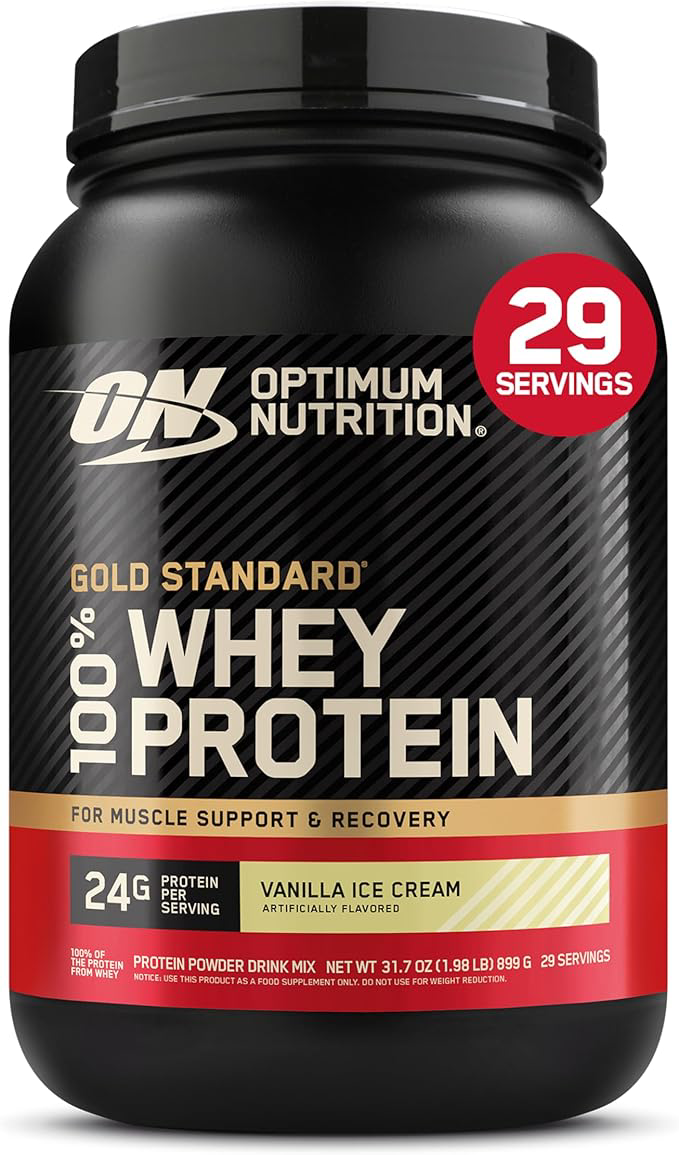
There is nothing wrong with a protein powder or a recovery drink in a pinch. They are convenient, and they work. But beginners often fall into the trap of thinking a shake is superior to a meal, or that they need a specific “post-workout” supplement to see results. This can lead to an expensive and incomplete nutrition strategy. Whole foods provide a wider range of micronutrients, fiber, and phytochemicals that a powder simply cannot replicate. Over-reliance on supplements can also make you less mindful of your overall daily calorie and nutrient intake.
Think of a protein shake as a backup plan, not the main event. Real food from your kitchen is the foundation.
What to do instead: use supplements strategically when you are traveling, in a hurry, or genuinely cannot stomach solid food after a hard set. On a normal day, build your post-workout meal around whole foods. Eggs with oats. Salmon with sweet potato. Cottage cheese with fruit. You will likely feel more satisfied and your digestive system will thank you.
Mistake 4: Overcorrecting by eating too much
On the flip side of skipping meals is the “I just lifted heavy, I deserve a feast” mindset. Beginners sometimes assume that an hour of strength training burns hundreds of extra calories above maintenance, and they eat back far more than they used. While lifting does increase energy expenditure, a typical strength session burns maybe 200 to 400 calories for most people. Eating a massive post-workout meal loaded with extra calories can quickly turn a calorie deficit into a surplus, leading to fat gain rather than lean muscle gain.
What to do instead: eat until satisfied, not stuffed. Pay attention to hunger cues. A moderate post-workout meal that fits within your overall daily calorie goal is plenty. You do not need to double your portions. If your goal is muscle gain, a small surplus of 200–300 calories per day is enough. Do not use the workout as an excuse to overeat by a large margin every single day. Consistency over the week matters more than one big post-workout binge.
Mistake 5: Drinking nothing but water—while ignoring electrolytes
Water is great. You should drink it. But after a heavy strength session, especially one that lasts longer than 45 minutes or causes significant sweating, you lose sodium, potassium, and magnesium through sweat. Drinking plain water alone can dilute your blood sodium levels if you have lost a lot of salt, which may lead to cramping, headaches, or that “washed out” feeling. Beginners often overlook this and wonder why they feel terrible an hour after a good lift.
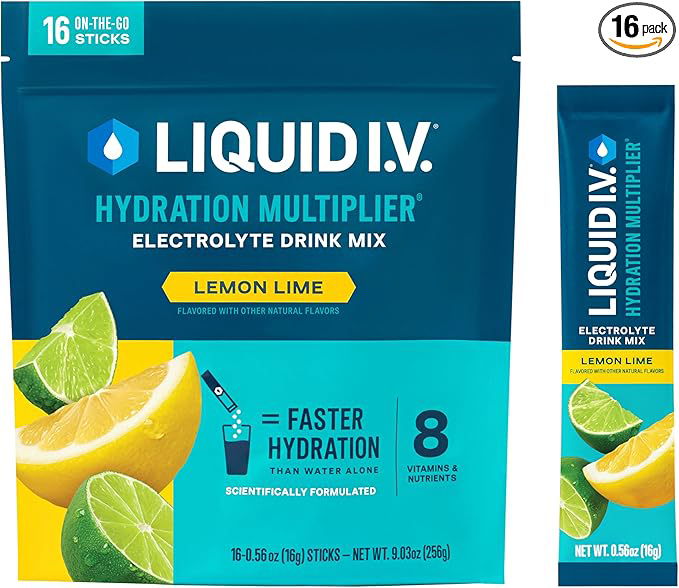
What to do instead: include electrolyte-rich fluids after training. This could be a pinch of salt in your water, a piece of fruit like a banana for potassium, or a balanced sports drink if you sweat heavily. Coconut water is another option with natural electrolytes. You do not need fancy tablets or powders. Just be aware that if you sweat a lot, water alone is not a complete recovery drink. Pair it with a snack that naturally contains these minerals.
The bottom line is straightforward: strength training breaks muscle down, and what you eat afterward builds it back up stronger. You do not need a complicated protocol. You just need to avoid the common pitfalls that beginners tend to hit. Eat real food with protein and carbs, stay hydrated with electrolytes, keep portions reasonable, and save the supplements for emergencies. Do that consistently and your recovery—and your results—will improve faster than you expect.