You’re eating the right foods, maybe even tracking your meals, but the scale isn’t budging. It’s a frustrating experience that often points to a subtle, overlooked culprit: portion distortion. Even with healthy choices, the amount you eat ultimately determines your energy intake. The line between a supportive portion and one that stalls progress is finer than most of us realize, blurred by habits, environment, and a few common missteps.
Portion control isn’t about deprivation or meticulously weighing every morsel forever. It’s about recalibrating your eye and your habits to recognize what your body actually needs, versus what modern servings and routines have trained you to consume. By identifying and adjusting these mistakes, you create a sustainable deficit without feeling like you’re on a restrictive diet. Let’s explore the five subtle errors that might be keeping your weight loss efforts in neutral.
Mistake 1: Using Oversized Dishware
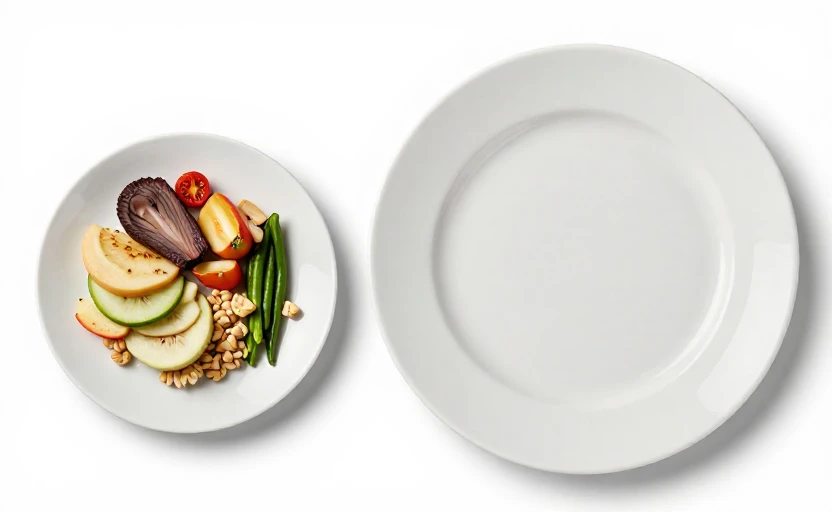
Your plate, bowl, and glass are not neutral players; they actively guide how much you serve yourself. The larger the vessel, the more we tend to fill it, often subconsciously. Research consistently shows that people serve themselves and consume significantly more food and drink when using larger plates and wider glasses, a phenomenon known as the Delboeuf illusion.
This isn’t a lack of willpower—it’s visual trickery. A standard dinner plate has grown from about 9 inches to 12 inches or more over the decades. A healthy portion of food looks lonely and insufficient on a vast expanse of china, prompting us to add more until it “looks right.” The same goes for bowls and even wine glasses.
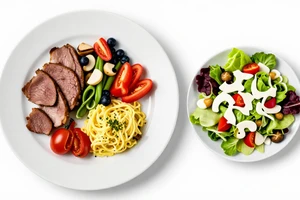
Swap your large dinner plates for 9- or 10-inch plates. You’ll serve a more appropriate amount that still looks satisfyingly full.
Mistake 2: Eating Directly From Packages
Reaching into a bag of chips, a tub of nuts, or a pint of ice cream is a direct ticket to overconsumption. Without a visual boundary, it’s nearly impossible to gauge how much you’ve eaten. The act of mindlessly dipping your hand into a container disconnects you from the eating experience, making it easy to lose track of quantity.
This “see-food” environment triggers a bottomless-pit mentality. The package becomes the unit, and the goal becomes to finish it, rather than to enjoy a serving that satisfies hunger. This is especially perilous with calorie-dense foods like nuts, dried fruit, granola, and crackers, where a few extra handfuls can add hundreds of unintended calories.
The fix is simple yet powerful: always portion it out. Decide how much you’re going to eat before you start, put that amount on a plate or in a small bowl, and put the original package away. This creates a conscious pause and a defined finish line.
Mistake 3: Misjudging “Healthy” Foods
Avocado, olive oil, nuts, quinoa, dark chocolate—these are nutritional powerhouses. But they are also energy-dense. The “health halo” effect can lead us to believe that because a food is good for us, we can eat it in unlimited quantities without consequence. This is one of the most common derailments for people eating a whole-foods diet.
A tablespoon of olive oil has about 120 calories. A quarter of an avocado has about 80. A large handful of almonds can be over 200. When you drizzle, slice, or sprinkle without measure, these healthy fats and complex carbs add up quickly, silently tipping you out of a calorie deficit.
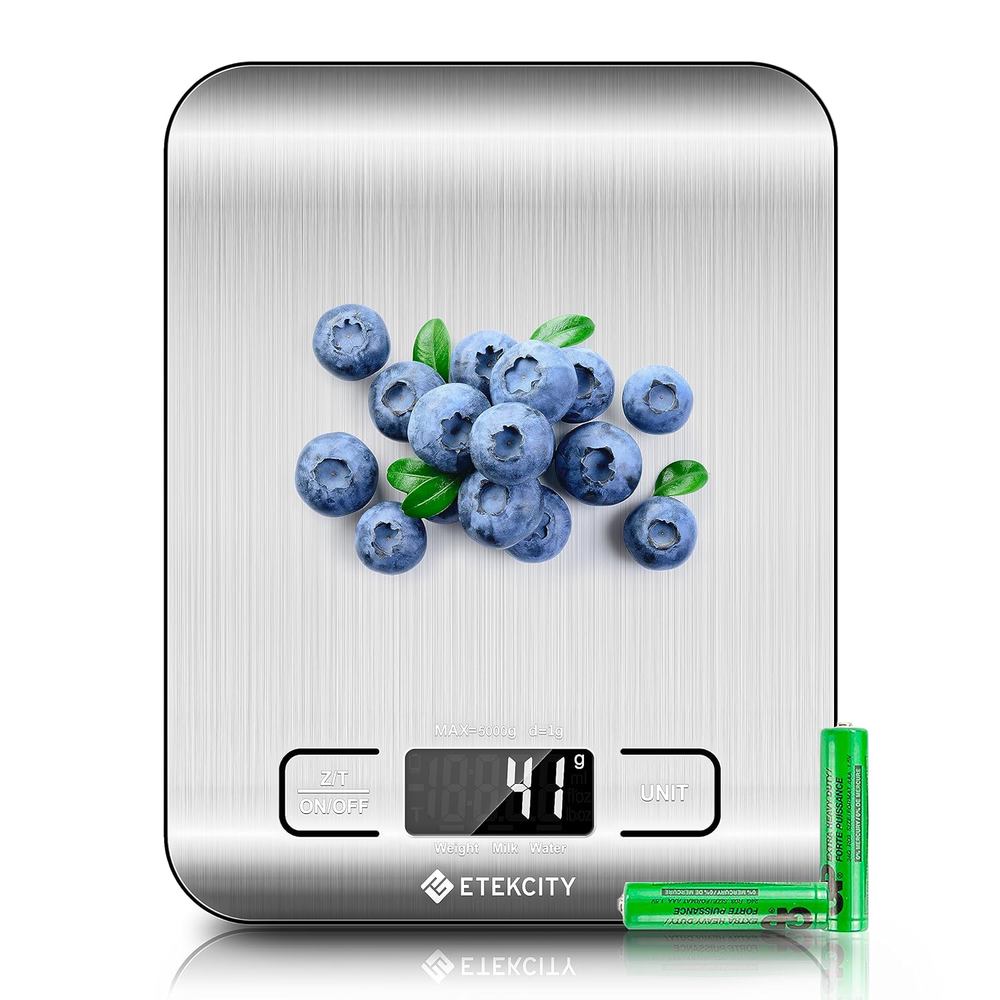
This doesn’t mean you need to obsessively measure forever. Instead, spend a week or two using measuring spoons, cups, or a small scale to learn what these portions actually look like on your plate. You’ll train your eye to recognize that a serving of nut butter is about the size of your thumb, and a serving of oil is roughly a poker chip’s diameter in the pan.
Mistake 4: Skipping the Protein & Fiber Anchor
Portion control isn’t just about eating less of everything; it’s about structuring your plate so you feel full and satisfied on less overall volume. If your meal is mostly carbohydrates and fats—even healthy ones—you’re likely to feel hungry again sooner, leading to more snacking and larger portions at the next meal.
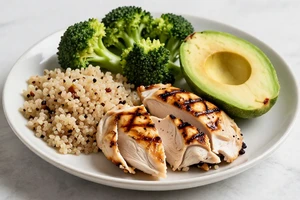
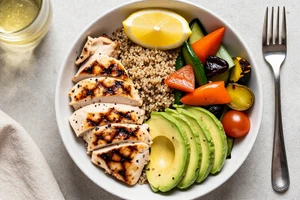
Protein and fiber are the anchors of satiety. They digest more slowly, stabilize blood sugar, and trigger the release of fullness hormones. A plate with a palm-sized portion of lean protein (chicken, fish, tofu, legumes) and half the plate filled with non-starchy vegetables (broccoli, leafy greens, peppers) provides volume and nutrients with relatively few calories. The remaining space can be for your complex carbs or healthy fats.
Build your meal around protein and vegetables first. You’ll naturally require less of the more calorie-dense sides to feel complete.
Mistake 5: Confusing Thirst for Hunger
Mild dehydration often masquerades as hunger, sending you to the pantry when your body actually needs a glass of water. This mix-up can lead to unnecessary calorie consumption. Furthermore, sometimes what we interpret as a need for a snack is actually boredom, stress, or habit.
Before you reach for a portion of food, especially between meals, pause. Ask yourself if you’ve had enough water today. Drink a full glass and wait 15-20 minutes. Often, the craving passes. This simple habit not only prevents extra calories but also supports overall metabolism and digestion.
Developing this moment of awareness also helps you distinguish true, physical hunger—a gentle gnawing in your stomach—from emotional or habitual eating cues. True hunger is patient and can be satisfied with a variety of foods, while emotional cravings are often urgent and specific.
Correcting these portion control mistakes is less about rigid rules and more about mindful adjustments. It’s a process of relearning what “enough” looks and feels like. Start with one change, like switching your plates or committing to portion out snacks. These small, sustainable shifts in your environment and awareness can quietly unlock the weight loss that seems just out of reach, turning effort into consistent, manageable progress.