We often think of hydration as simply drinking water to quench thirst. But when it comes to unlocking the full potential of the vitamins in your food, how you hydrate can make a significant difference. Proper fluid balance is the unsung hero of nutrient absorption, creating the ideal environment for your body to receive and utilize essential vitamins from your diet.
Think of your digestive system as a finely-tuned processing plant. Vitamins, especially water-soluble ones like vitamin C and the B-complex vitamins, need adequate fluid to be dissolved, transported, and absorbed into your bloodstream. Without proper hydration, this process can be less efficient, meaning some of those valuable nutrients might not make it to where they’re needed most. The goal isn't just to drink water, but to drink it in a way that consistently supports your body's intricate systems.
Why does hydration affect vitamin absorption?
Vitamins are categorized as either fat-soluble (A, D, E, K) or water-soluble (B vitamins, vitamin C). While fat-soluble vitamins rely on dietary fats for absorption, water-soluble vitamins depend on—you guessed it—water. They dissolve in the fluids within your digestive tract. From there, they travel through the watery medium of your blood to reach your cells.
When you're even mildly dehydrated, the concentration of fluids in your gut changes. This can slow digestion and transit time, potentially reducing the window for optimal nutrient uptake. Furthermore, many of the metabolic processes that prepare and use these vitamins require water as a fundamental component. Good hydration ensures this internal environment is primed for efficiency.
Five practical tips for hydration that supports nutrition
Moving beyond the basic "drink eight glasses," these strategies focus on timing, quality, and synergy with your meals to enhance how your body accesses vitamins.
1. Sip steadily throughout the day, not just at meals
Chugging a large glass of water with your meal can sometimes dilute stomach acids and enzymes briefly, which isn't ideal for digestion. A more effective approach is to maintain a consistent hydration status all day long. By sipping water regularly from morning until evening, you ensure your digestive system is already well-hydrated when food arrives. This creates a ready environment for nutrient breakdown and absorption without the need for a sudden flood of fluid.
Keep a water bottle at your desk or in your bag. Small, frequent sips are often more beneficial for overall hydration than occasional large volumes.
2. Pair water-rich foods with vitamin-rich meals
Hydration doesn't only come from a glass. Incorporate foods with high water content as part of your meal. Fruits like watermelon, strawberries, and oranges, and vegetables like cucumber, celery, and lettuce contribute significant fluid along with their own array of vitamins and minerals. This provides a dual benefit: you get hydration integrated directly with nutrients, and the fiber in these foods helps regulate the passage of food through your digestive system, allowing more time for absorption.
3. Choose herbal infusions over sugary drinks
If plain water feels monotonous, herbal teas (like peppermint, ginger, or rooibos) are excellent, non-caffeinated options that contribute to your fluid intake. Ginger tea, in particular, may offer gentle digestive benefits. The key is to avoid sugary sodas or excessive fruit juices with meals. A high sugar load can sometimes affect how nutrients are absorbed and may lead to energy crashes that overshadow the benefits of your meal.
4. Monitor your hydration with a simple check
Your body gives you clear signals. One of the most reliable is the color of your urine. Aim for a pale straw or light yellow color. Dark yellow urine often indicates a need for more fluids. By paying attention to this simple indicator, you can adjust your intake to maintain the hydrated state that supports all your bodily functions, including nutrient metabolism.
5. Rehydrate wisely after exercise
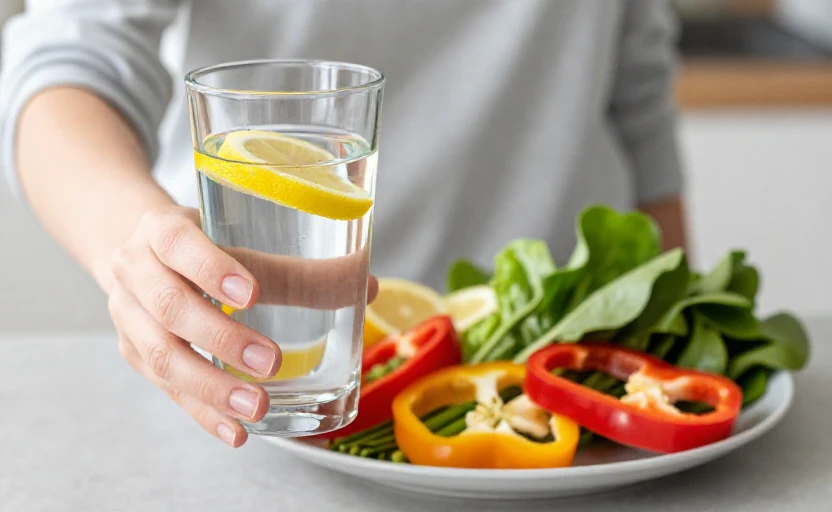
Physical activity is fantastic for health, but sweat loss depletes both water and electrolytes like sodium and potassium, which are crucial for fluid balance and nerve function. Replenishing after a workout is important. While plain water is good, if your session was long or intense, consider a source of electrolytes. This helps restore the fluid balance needed for your cells to efficiently use the vitamins you consume post-workout. A simple option is water with a small pinch of salt and a squeeze of lemon.
Creating a synergy between diet and hydration
The ultimate goal is to see your fluid intake and your nutrient intake as partners. A colorful, vitamin-rich salad is even more powerful when your cells are well-hydrated and ready to receive those nutrients. It’s a holistic approach: the quality of what you eat is amplified by the consistency of how you hydrate.
Listen to your body's cues for thirst, but also drink proactively to maintain a baseline of hydration. By making these tips part of your daily rhythm, you support your body’s innate ability to nourish itself fully, ensuring the vitamins in your food have the best possible chance to do their important work.