
Anyone who has tried to lose weight knows the feeling: that gnawing hunger that makes it hard to stick to a plan. It’s the main reason so many diets fail. But what if you could feel full and satisfied while still eating fewer calories? The secret isn’t just eating less; it’s eating smarter. By focusing on protein, you can transform your meals into tools for satiety, turning a battle of willpower into a manageable, even comfortable, process.
Protein is uniquely powerful for weight management. It takes more energy for your body to digest than carbohydrates or fats, a process called the thermic effect of food. More importantly, it triggers the release of hormones that signal fullness to your brain. When you swap out lower-protein items for protein-rich alternatives, you’re not just cutting calories—you’re actively fighting hunger. The result is a sustainable calorie deficit that doesn’t leave you constantly thinking about your next meal.
Why Protein is Your Ally Against Hunger
Think of protein as the anchor of your meal. While carbs and fats provide energy, protein provides the structural signal that you’ve had enough. It slows down digestion, leading to a more gradual release of energy and a steadier blood sugar level. This prevents the sharp spikes and crashes that can trigger cravings and snack attacks.
A simple swap can add 10-15 grams of protein to a meal, dramatically changing its satiety profile without a major calorie cost.
This isn’t about adopting a drastic, all-meat diet. It’s about making strategic upgrades within the framework of how you already eat. The goal is to increase the protein percentage of your calories in a way that feels natural and delicious, making your calorie deficit a side effect of feeling nourished, not deprived.
Five Strategic Swaps for Everyday Meals
These swaps target common dietary pitfalls—the starchy sides, the refined breakfasts, the crunchy snacks—and offer a more satisfying, protein-forward path.
1. Swap Pasta for Lentil or Chickpea Pasta
A bowl of regular pasta is comforting, but it’s primarily fast-digesting carbohydrates. A serving might leave you hungry again in an hour. Lentil or chickpea pasta, however, is a game-changer. Made from just one ingredient—lentil or chickpea flour—it packs a serious protein punch.
Where a standard serving of white pasta offers about 7 grams of protein, a serving of legume-based pasta delivers 20-25 grams. The fiber content is also significantly higher. The taste and texture are remarkably similar to traditional pasta, especially when paired with a robust sauce. You get the same comforting meal experience, but with lasting fullness that helps you naturally eat less later.
2. Swap Breakfast Cereal for Greek Yogurt or Cottage Cheese Bowls
Many breakfast cereals, even the whole-grain ones, are carbohydrate-dense and low in protein. Starting your day this way can set you up for a mid-morning energy slump and hunger.
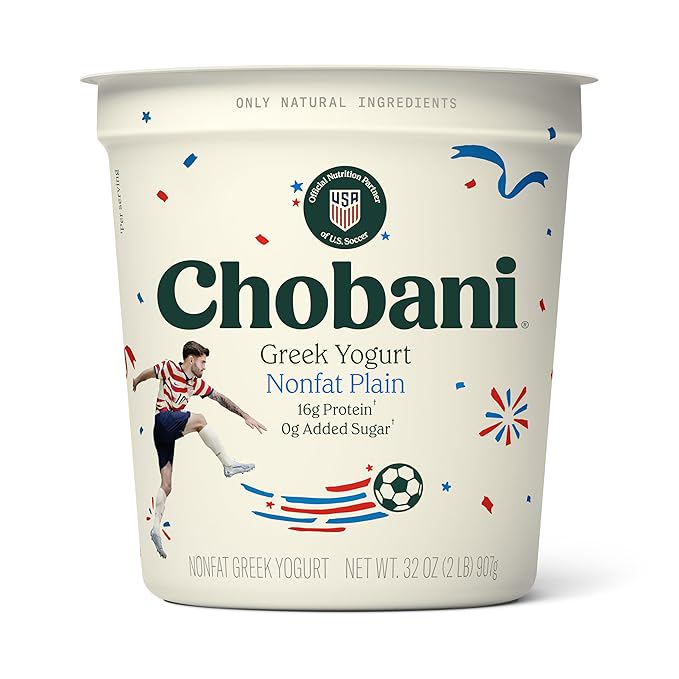
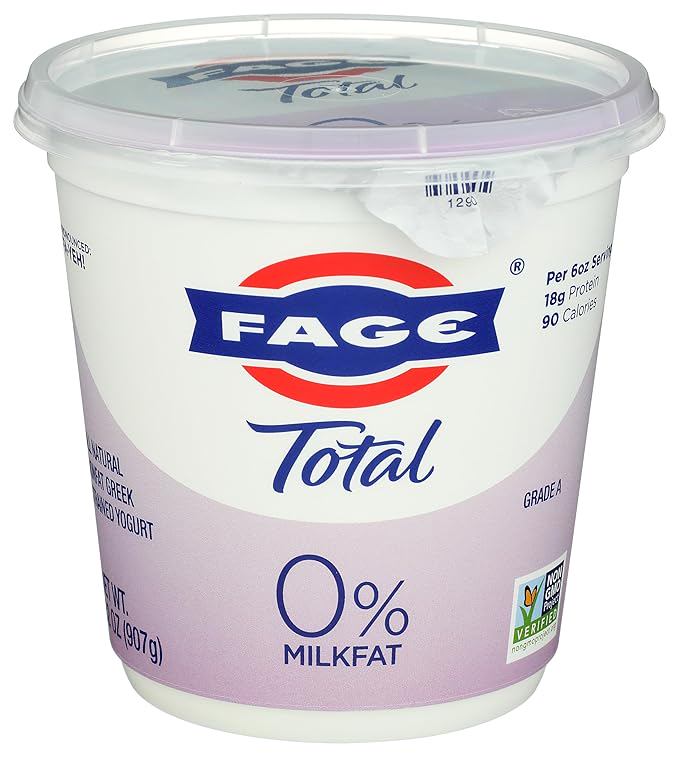
A bowl of plain Greek yogurt or cottage cheese provides a creamy, versatile base loaded with protein. A single cup of non-fat Greek yogurt contains about 23 grams of protein for roughly 130 calories. Top it with berries, a sprinkle of nuts, or a drizzle of honey. The high protein content stabilizes your morning energy and keeps hunger at bay far more effectively than a bowl of cereal ever could.
- Tip: If you miss the crunch, add a small handful of high-fiber cereal or granola as a topping instead of making it the main event.
3. Swap Croutons or Crackers for Roasted Chickpeas or Edamame
Salads and soups often get a textural boost from croutons or crackers, which add calories and carbs but little staying power. For a crunch that contributes to your fullness, try roasted chickpeas or shelled edamame.
Toss canned chickpeas with a little oil and spices, then roast until crispy. A quarter-cup adds about 10 grams of protein and 5 grams of fiber. Similarly, a handful of steamed edamame provides a satisfying pop of protein and fiber. This swap turns a mere garnish into a functional, hunger-fighting component of your meal.
4. Swap White Rice for Quinoa or Lentils
White rice is a blank canvas, but it’s a canvas that digests quickly. Replacing it with quinoa or lentils transforms your plate. Quinoa is a complete protein, meaning it contains all nine essential amino acids, offering about 8 grams of protein per cooked cup. Cooked lentils provide about 18 grams of protein and 15 grams of fiber per cup.
Both options have a hearty, substantial texture that makes a meal feel more complete. They absorb flavors beautifully from curries, stir-fries, or stews, making the swap seamless and more nutritionally rewarding.
5. Swap Sugary Snack Bars for a Hard-Boiled Egg or Turkey Roll-Ups
When afternoon hunger strikes, a granola or cereal bar is a common go-to. Unfortunately, many are glorified candy bars—high in sugar and low in protein, leading to a quick sugar rush and crash.
Preparing a few hard-boiled eggs at the start of the week gives you a perfect, portable snack. One egg has about 6 grams of high-quality protein for only 70 calories. Another great option is a few slices of lean turkey or chicken rolled up with a slice of cheese or some spinach. These options provide a pure protein hit that genuinely satisfies hunger, helping you bridge the gap to dinner without derailing your calorie goals.
Making the Swaps Work for You
Adopting these changes doesn’t require a kitchen overhaul. Start with one swap that seems easiest or most appealing. Maybe it’s trying chickpea pasta with your favorite marinara this week, or swapping your cereal for yogurt on Monday morning.
Listen to your body after making a change. Do you feel full longer? Are your cravings quieter? This feedback is more valuable than any calorie count. The aim is to build a pattern of eating where high-protein, satisfying foods become your default, making a calorie deficit a natural byproduct of feeling well-fed and energized.
Remember, these are tools for sustainability, not rules for perfection. The power of protein is in its ability to make the journey toward your goals feel less like a struggle and more like a nourishing, sustainable way to live.