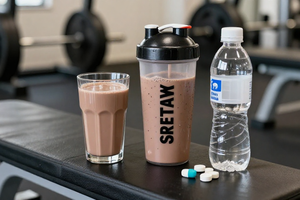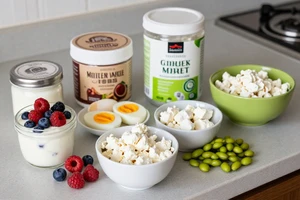

You know the feeling. You eat something smart before a session — an apple, a handful of almonds, maybe a slice of toast with peanut butter. Thirty minutes in, your stomach gurgles, your energy drops, or you feel like you’re carrying a brick in your gut. The snack wasn’t the problem. The timing, the pairing, or the portion likely was.
Fueling for strength training is a balance. The right pre-workout bite gives you steady energy, stable blood sugar, and comfortable digestion. The wrong one — even if it seems healthy — can derail your entire session. Here are five specific habits that turn a well-intentioned pre-workout snack into a workout saboteur, along with practical ways to fix each one.
1. Eating too close to your session
This is the most common mistake. Digestion requires blood flow to your stomach and intestines. When you lift or do intense cardio, your body diverts blood to your working muscles. If there’s still a full or partially digested meal in your stomach, that competition creates side stitches, nausea, and sluggishness.
The fix: Give your body at least 60 to 90 minutes after a small snack before you train. For a larger meal (400–500 calories), aim for 2 to 3 hours. A banana or an apple 30 minutes before is fine for some people, but experiment to find your own window. If you train early morning and can’t wait, keep it tiny — half a banana or a small rice cake with a thin spread of nut butter.
2. Loading up on fiber right before lifting
Fiber is fantastic for gut health and steady blood sugar — except when you eat it directly before physical exertion. High-fiber foods like beans, lentils, broccoli, chia seeds, and whole grains with bran take longer to break down and can ferment in the gut, producing gas and bloating. That makes it hard to brace your core on a deadlift or hold a plank without discomfort.
The fix: Save your high-fiber meal for after your workout. Choose low-fiber options pre-workout, such as white rice, a peeled banana, white bread with jam, or a simple whey or plant protein shake (if tolerated). You don’t need the extra roughage when your body is about to push hard.
3. Choosing a hidden high-fat snack
Fat slows gastric emptying — meaning food stays in your stomach longer. A handful of almonds, full-fat Greek yogurt, or a fatty piece of salmon might be wholesome choices, but they can leave you feeling heavy and lethargic during a workout. While dietary fat is essential overall, it’s not ideal as a rapid pre-exercise fuel source.
The fix: For the hour or two before strength training, lean toward carbohydrates with a modest amount of protein. Think a rice cake with jam, a small baked potato, or a fruit smoothie made with a low-fat milk or milk alternative. Keep fat very low — under about 5 to 10 grams — in that pre-workout window. Save the avocado toast or trail mix for post-workout recovery.
4. Using sports drinks or sugary coffee when you don’t need them
A sugary latte or a sports drink right before a session can cause a rapid spike in blood sugar. Your body responds with a surge of insulin, which can then drive your blood sugar down quickly, leading to a mid-workout energy crash. This is especially common if you drink something sweet and then start your workout within 15 to 20 minutes.
The fix: Unless you are training for more than 90 minutes in extreme heat or doing high-volume endurance work, plain water is all you need for hydration. If you drink coffee before training (which can help focus and performance), have it black or with a splash of unsweetened milk. Avoid sugary syrups and pre-mixed energy drinks with added sugar at the start of your session.
A simple rule: if your pre-workout fuel tastes like dessert, or comes in a bright-colored bottle labeled for endurance, think twice before using it for a 45-minute strength session.
5. Eating too much protein (or pure protein) without carbs
Protein is critical for muscle repair, but it is not your body’s preferred fuel during exercise. Your muscles primarily burn glucose — stored glycogen — when you lift. If your pre-workout snack is a chicken breast or a scoop of protein powder mixed with water and nothing else, you are essentially skipping your fuel tank. Your body may break down its own glycogen stores, but you might feel flat, weak, or unusually tired halfway through your set.
The fix: Pair protein with carbohydrates. A ratio of roughly 3:1 or 4:1 carbs to protein works well for most people. For example, a small apple with a tablespoon of peanut butter, or a slice of whole-grain bread with half a scoop of protein powder stirred into a thin spread. The carbs provide immediate energy; the protein helps moderate blood sugar and supports recovery.
Getting your pre-workout nutrition right does not require elaborate meal prep. It requires awareness of portion, composition, and timing. The next time you plan your snack, think: low in fiber and fat, moderate in carbs, light on your stomach, and eaten early enough to digest. Your lifting session will thank you.