
You show up at the gym, get through your sets, and wonder why your lifts feel heavy and stiff — or why that nagging shoulder ache is back. The answer often lives in the five to ten minutes before you pick up a barbell. A good warm-up doesn't just prepare your muscles; it primes your nervous system for the work ahead. But certain habits can quietly turn that essential time into an obstacle. Here are five warm-up killers that may be derailing your strength gains.
1. Going straight to static stretching
It feels productive: reaching for your toes or pulling your arm across your chest to loosen up. However, long-held static stretching — standing still and holding a stretch for 30 seconds or more — can actually blunt performance before strength training. A 2013 review in the Scandinavian Journal of Medicine & Science in Sports found static stretching performed before explosive or heavy efforts can temporarily reduce muscle strength and power output. The proposed mechanism is a decrease in muscle activation and a subtle loss of stiffness in the muscle-tendon unit, which you actually need for force production.
That doesn't mean flexibility is bad. It just means the timing matters. Save the long holds for your cool-down or a dedicated mobility session. For a warm-up, focus on movement that mimics your lifts — like bodyweight squats, light banded walks, or controlled leg swings.
2. Rushing through it in under three minutes
Many lifters treat the warm-up as a formality: one quick set with the empty bar, then straight into working weight. This is a missed opportunity. Your body needs time to increase core temperature, lubricate your joints with synovial fluid, and gradually ramp up your nervous system's readiness. Research suggests a warm-up of roughly 5 to 15 minutes is enough to raise body temperature without causing fatigue. When you skip that window, you start with cold, unresponsive tissue. The result is a higher risk of pulling a muscle, and often a rep or two less in your first real set. If you are short on time, even a five-minute warm-up is better than zero — but it should be intentional, not sprinted.
3. Using the wrong kind of cardio
Grabbing a spot on the treadmill or elliptical before lifting is common, but the type and intensity matter. A light five-minute jog to get blood flowing is fine. Going for a sustained ten-minute jog that leaves you breathing hard is not. That kind of cardio taps into the same energy systems you need for your first squat set. It can accumulate central and peripheral fatigue, meaning your legs feel heavy before you even load the bar. Keep pre-lift cardio very low intensity — a 2 or 3 out of 10 in terms of effort. Your goal is to raise heart rate slightly and increase blood flow, not to build an aerobic base. If you feel warm and loose without breaking a sweat, you are likely in the right zone.
4. Skipping activation altogether
This is one of the most common mistakes, especially among experienced lifters who think warm-ups are only for beginners. Muscle activation is about waking up the stabilizers and target muscles you plan to use. For example, the glutes tend to be inhibited after sitting all day. If you walk into the gym, load up a barbell, and squat without first performing a glute bridge or hip thrust, your lower back may end up doing more of the work than it should. Activation is even more critical for smaller, easily-inhibited muscles like the rotator cuff before pressing, or the rhomboids before pulling. A few targeted repetitions of a simple bodyweight exercise — like a band pull-apart, a side-lying clam, or a prone cobra — can turn those sleepy muscles back on, improving your bar path and reducing compensation patterns.
5. Not warming up for this session specifically
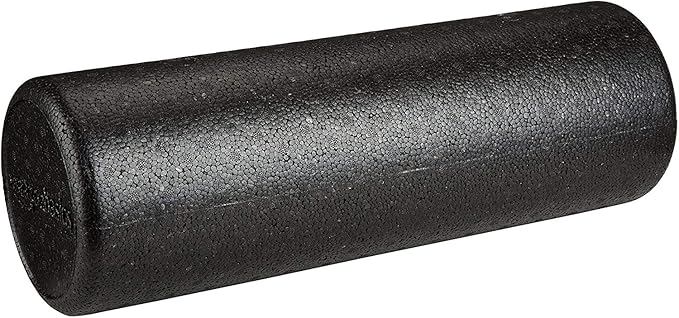
The general warm-up — a bit of foam rolling, some light jogging — is only half the picture. The final block, sometimes called the specific warm-up, should resemble the main lift. If you are squatting, that means several ramp-up sets with the empty bar and then gradually heavier (but still submaximal) loads. If your session calls for heavy bench press, you should perform a few sets of push-ups or light banded press-downs, followed by sets with just the bar and then light plates. This specific warm-up does three things: it rehearses the motor pattern under light load, increases blood flow to the prime movers, and allows your nervous system to adjust the coordination required for heavier weight. Skipping this ramp-up is like trying to merge onto a highway from a dead stop. You can do it, but the transition is jarring and inefficient.
How to build a better warm-up (the quick version)
To avoid the five traps above, here is a simple template you can adapt to any strength session:
- General raise (3–5 minutes): Light cardio like jogging in place, jumping jacks, or a brisk walk on a slight incline. Keep it easy.
- Movement prep (3–5 minutes): Dynamic drills such as leg swings, cat-cow stretches, and torso rotations. No holding, just flow.
- Activation (2–3 minutes): Two short exercises targeting muscles that tend to be sleepy. Think glute bridges before squats or band pull-aparts before pressing.
- Specific ramp-up (3–8 minutes): 3 to 5 sets of your main lift with minimal weight, gradually increasing load until you reach your working weight.
That whole sequence can take as little as 12 minutes. Most lifters spend longer scrolling their phones between sets. The investment pays for itself in safer reps, more consistent form, and better long-term progress.