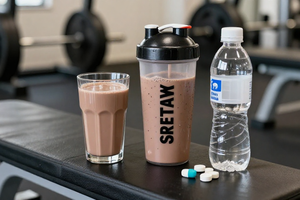
You’ve just finished a demanding weightlifting session. Your muscles feel that familiar, deep fatigue—a sign of the work you’ve put in. What you do next, particularly what you choose to eat, can significantly influence how well your body repairs, rebuilds, and ultimately grows stronger. While protein powders often steal the spotlight, whole foods offer a powerful, synergistic blend of nutrients that support recovery from multiple angles.
Think of muscle recovery not as a single event, but as a complex process. It involves repairing microscopic tears in muscle fibers, replenishing depleted energy stores, reducing inflammation, and rehydrating. The right foods provide the raw materials for this intricate repair job, helping you bounce back faster, reduce soreness, and prepare for your next workout.
What does your body need after lifting?
Post-workout nutrition focuses on a few key goals. First, you need protein to supply amino acids, the building blocks for muscle protein synthesis—the process of repairing and building new muscle tissue. Second, you need carbohydrates to restore glycogen, the primary fuel stored in your muscles and liver that gets tapped during intense exercise. Third, your body benefits from antioxidants and anti-inflammatory compounds to help manage the natural oxidative stress and inflammation induced by training. Finally, rehydration with fluids and electrolytes is non-negotiable.
The following foods are excellent choices because they deliver on one or more of these needs in a whole-food package.
1. Fatty Fish (Salmon, Mackerel, Sardines)
Fatty fish is a recovery powerhouse. It’s an excellent source of high-quality, complete protein, meaning it contains all the essential amino acids your body cannot make on its own. But its standout feature for recovery is its rich concentration of omega-3 fatty acids, specifically EPA and DHA.
These fats are potent anti-inflammatory agents. Intense weightlifting creates a temporary state of inflammation as part of the muscle damage and repair cycle. While some inflammation is necessary, excessive or prolonged inflammation can delay recovery and increase soreness. The omega-3s in fatty fish help modulate this inflammatory response, potentially easing post-workout muscle stiffness and soreness.
Aim to include a 3–4 ounce serving of fatty fish in your meals a few times a week to harness these anti-inflammatory benefits.
2. Greek Yogurt or Skyr
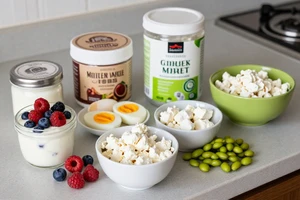
Dairy-based options like Greek yogurt and Icelandic skyr are concentrated sources of protein, particularly casein. Casein is a slow-digesting protein, providing a steady, prolonged release of amino acids into your bloodstream. This can be especially useful for recovery after an evening workout, as it helps sustain muscle repair processes throughout the night.
These foods also offer a beneficial duo of carbohydrates and protein. The natural sugars (lactose) help with glycogen replenishment, while the protein supports muscle synthesis. They’re also rich in calcium, which plays a role in muscle contraction and bone health—a critical consideration for anyone putting stress on their skeleton with heavy weights.
For an even more robust recovery snack, mix in some berries or a drizzle of honey to add antioxidants and additional carbohydrates.
3. Tart Cherries or Tart Cherry Juice
This might seem unexpected, but tart cherries have garnered significant attention in sports nutrition research. They are packed with antioxidants called anthocyanins, which give them their deep red color and are believed to be responsible for their recovery benefits.
Studies suggest that consuming tart cherry juice before and after strenuous exercise may help reduce muscle strength loss, decrease perceived muscle soreness, and accelerate recovery of muscle function. The effect is thought to be due to their anti-inflammatory and antioxidant properties, which help combat exercise-induced oxidative stress.
Consider a small glass of unsweetened tart cherry juice after a particularly grueling session, or add a handful of frozen tart cherries to a post-workout smoothie.
4. Eggs
Eggs are a classic for good reason. They are a complete protein source that is highly bioavailable, meaning your body can efficiently use the amino acids they provide. One large egg contains about 6–7 grams of protein, with the majority found in the white, while the yolk houses most of the vitamins, minerals, and healthy fats.
The yolk is particularly valuable. It contains choline, which is involved in muscle control and nerve signaling, and vitamin D, which is crucial for immune function and muscle health—many people are deficient in this nutrient. Eggs also contain leucine, a branched-chain amino acid that is a key trigger for initiating muscle protein synthesis.
Eating the whole egg ensures you get this full spectrum of nutrients, making it a simple and effective recovery food.
5. Sweet Potatoes
After depleting your glycogen stores, carbohydrates are your friend. Sweet potatoes provide a superb source of complex carbohydrates that are digested more slowly than simple sugars, leading to a sustained release of energy and a steady insulin response to help shuttle nutrients into your muscles.
They are also rich in beta-carotene (which your body converts to vitamin A), vitamin C, and manganese—all of which act as antioxidants. Furthermore, the potassium in sweet potatoes is an essential electrolyte lost through sweat. Adequate potassium helps with fluid balance, nerve signaling, and proper muscle function, preventing cramping and supporting overall recovery.
Putting It Together in a Meal
The goal isn’t to eat all five of these foods at once, but to incorporate them thoughtfully into your post-workout meals. A balanced plate is the ideal target.
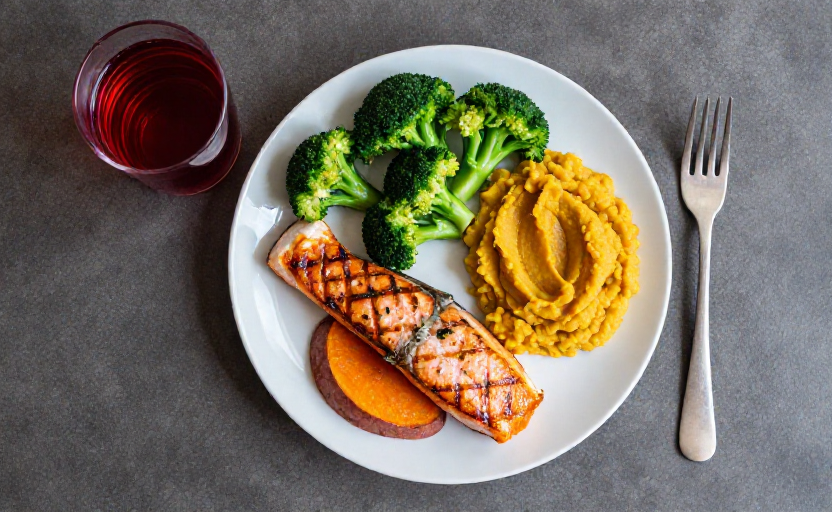
For example, a recovery meal a couple of hours after your workout could look like:
- A palm-sized portion of grilled salmon (fatty fish).
- A fist-sized serving of mashed sweet potato.
- A side of steamed greens.
Or, for a quicker option closer to your workout:
- A bowl of Greek yogurt topped with a handful of tart cherries and a sprinkle of nuts.
- A vegetable omelet made with two whole eggs and extra egg whites, served with a slice of whole-grain toast.
Timing matters, but perfection isn’t required. The broader “anabolic window” is more flexible than once thought, but aiming to eat a balanced meal containing protein and carbohydrates within 1–2 hours after your workout is a reliable practice to support your recovery goals.
Don’t Forget the Foundation
All this rests on a foundation of consistent hydration. Water is involved in every metabolic process, including nutrient transport and muscle repair. Pair your recovery foods with plenty of fluids throughout the day.
Ultimately, feeding your muscles for recovery is about providing quality, nutrient-dense foods that supply the specific compounds your body needs to repair itself. By choosing foods like these, you’re not just eating—you’re actively participating in the rebuilding process, setting the stage for greater strength and resilience.