Yoga often eases back pain, but sometimes a pose pushes a little too far. If your back still aches 48 hours after practice, it is not a sign of weakness—it is a signal that your tissues need specific support. Inflammation and micro-muscle strain can linger when the body lacks the raw materials to repair. The right post-yoga meal can tip the balance from prolonged soreness to recovery.
The following five foods target the mechanisms that keep back pain alive: oxidative stress, low-grade inflammation, and sluggish tissue repair. They are not miracle cures—just smart choices that give your body what it needs to settle down and rebuild.
Why back pain can stick around after yoga
A back that hurts beyond the 48-hour mark is usually dealing with more than normal muscle soreness. Delayed onset muscle soreness (DOMS) typically peaks at 24 to 48 hours. When pain persists longer, inflammation may be lingering or a small muscle strain has not completed the repair cycle. In either case, anti-inflammatory and nutrient-dense foods can shorten the recovery window.
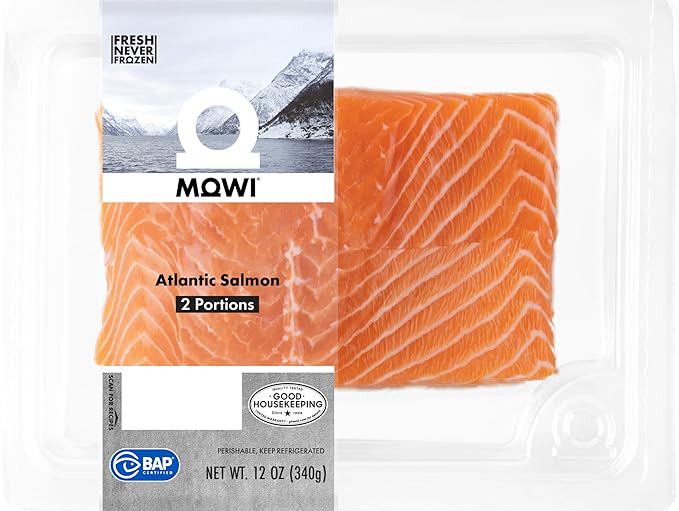
1. Wild salmon — the inflammation modulator
Salmon is rich in long-chain omega-3 fatty acids, EPA and DHA, which help resolve inflammation rather than simply block it. Research suggests that omega-3s can reduce the production of inflammatory molecules that sensitize nerve endings in the back. Eating a serving of wild salmon within a few hours after yoga provides a steady stream of these fats to support tissue repair.
If fresh salmon is not available, canned wild salmon (check for BPA-free liners) works well in salads or rice bowls. Pair it with a squeeze of lemon for vitamin C, which helps the body use omega-3s more effectively.
2. Tart cherries — the antioxidant recovery aid
Tart cherries contain anthocyanins, compounds that inhibit the same inflammatory pathways targeted by some over-the-counter pain relievers. A 2020 review in the Journal of the International Society of Sports Nutrition found that tart cherry juice reduced muscle soreness and strength loss after intense exercise. For a sore back that has overstayed its welcome, cherries offer a gentle way to calm the inflammatory response without side effects.
A cup of tart cherry juice (unsweetened) or a bowl of frozen tart cherries makes a simple post-yoga snack. Mix them into yogurt or oatmeal for a more balanced mini-meal that includes protein and carbs for recovery.
3. Leafy greens — magnesium for muscle relaxation
Magnesium plays a direct role in muscle contraction and relaxation. A deficiency can lead to increased muscle tension and spasm—two conditions that amplify back pain. Spinach, Swiss chard, and kale are rich sources of magnesium that also provide folate and vitamin K, both involved in tissue repair.
After a yoga session that stressed the back, a big salad with dark leafy greens, a handful of pumpkin seeds (another magnesium source), and a simple olive oil-lemon dressing delivers a magnesium boost that encourages muscles to let go of residual tightness.
A quick tip: Pairing magnesium-rich foods with a small amount of vitamin C (like lemon juice or a few strawberries) can improve absorption. Steaming greens lightly also helps release magnesium without destroying it.
4. Turmeric with black pepper — the targeted anti-inflammatory
Turmeric's active compound, curcumin, has been studied extensively for its ability to lower inflammatory markers. The catch is that curcumin is poorly absorbed on its own. Black pepper contains piperine, which can increase absorption by up to 2,000 percent. A golden milk latte made with turmeric, a pinch of black pepper, and a fat source (coconut milk or whole dairy) makes a warming, soothing drink that targets lingering inflammation.
For a food-based approach, add turmeric to a lentil soup or a scrambled egg dish with a crack of black pepper. Remember that turmeric is a spice, not a drug. Consistent small amounts over several days likely matter more than a single large dose.
5. Pineapple — bromelain for soft-tissue recovery
Pineapple contains bromelain, a group of enzymes that have shown anti-inflammatory and analgesic properties in clinical trials. Bromelain may help reduce swelling and pain in soft-tissue injuries, including muscle strains in the back. Eating fresh pineapple—not canned, as heat processing destroys bromelain—about an hour after practice gives these enzymes a chance to work before stomach acid breaks them down.
Pineapple chunks with a dollop of plain yogurt make a balanced snack that offers protein, probiotics, and bromelain. If fresh pineapple is unavailable, look for frozen chunks that contain no added sugar.
How to combine these foods into a post-yoga routine
You do not need to eat all five foods at once. A simple template for the 48-hour-plus recovery window looks like this:
- Within an hour after yoga: Tart cherry juice or a handful of frozen cherries and a small piece of fresh pineapple.
- Main meal within 2-3 hours: Grilled salmon with a side of sautéed spinach and a turmeric-tossed lentil bowl.
- Evening snack (if needed): A small bowl of frozen tart cherries or a golden milk latte before bed.
Hydration matters here, too. Back pain often involves the fascia—sheets of connective tissue that run through the back. Fascia needs water to remain pliable. Drink water consistently throughout the day, and consider adding a pinch of salt to meals if you sweat heavily during yoga.
When to check in with a healthcare provider
Food can support recovery, but it is not a substitute for professional evaluation. If back pain persists beyond a few days, radiates down a leg, or is accompanied by numbness, tingling, or bowel/bladder changes, consult a physical therapist or physician. Lingering pain can sometimes point to a disc issue or other structural problem that benefits from specific exercises or hands-on treatment.
Think of these foods as partners in your recovery—not replacements for good body mechanics, adequate rest, or smart yoga modifications. If your back continues to be unhappy after practice, consider reviewing your alignment in forward folds and twists with a teacher. Sometimes the best recovery food is a small adjustment in how you move.