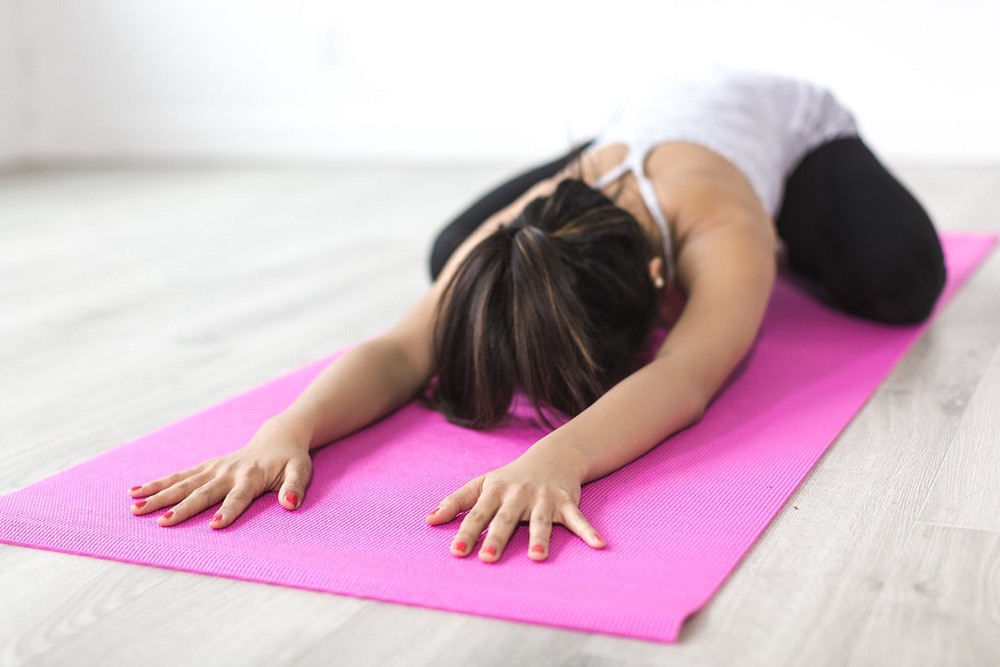
Starting a yoga practice is a humbling experience. You spend the first few weeks learning how to breathe through discomfort, finding the edge of your hamstrings, and figuring out why everyone else’s hips seem to open so easily. The flexibility gains come slowly—until one day, you sink a little deeper into a forward fold. You want to keep that progress.
But here is the reality most new students don’t consider: what you eat between classes can either support that new range of motion or quietly work against it. Certain foods cause subtle inflammation, water retention, or digestive bloating that stiffens the connective tissue and tightens the joints. If you are serious about maintaining your flexibility gains, it helps to know which foods are the most common culprits.
Below are four categories of foods that tend to interfere with flexibility if eaten too close to practice or consumed regularly in high amounts. This is not about strict elimination. It is about timing and awareness.
1. High-sodium processed foods and restaurant meals
A single restaurant meal can contain more than 2,000 milligrams of sodium—nearly the entire daily limit recommended for most adults. When you eat that much salt, your body holds onto water to dilute the excess. That water builds up in the spaces around your cells, including the fascia and joint capsules.
For a yogi, this means your ankles feel puffy, your fingers swell, and your forward fold feels shallow. When connective tissue is saturated with excess fluid, it resists stretching. You might feel fine in a seated meditation, but the moment you transition into a deep lunge or a bound twist, the stiffness becomes obvious.
It takes the body about 24 to 48 hours to fully rebalance sodium levels. If you eat a salt-heavy dinner on Monday night, your Tuesday morning practice may feel harder than it should. The fix is simple: drink extra water to flush the sodium, and try to keep your pre-practice meal as close to whole-food form as possible. If you do eat out, give yourself at least four to six hours before stepping onto your mat.
2. Dairy products, especially milk and cheese
Dairy is a mixed bag for flexibility. For some people, it passes through without issue. For many others, it promotes mucus production and low-grade digestive bloating. When your digestive tract is distended, your core cannot fully engage. That makes postures like Boat pose, Revolved Triangle, and deep twists feel restricted—not because your muscles are tight, but because your abdominal cavity is physically full.
Lactose intolerance is more common than most people realize. It affects roughly 65 percent of the global population to some degree. Even if you do not experience obvious symptoms like cramping or diarrhea, subclinical bloating can still reduce the amount of space you have in your torso. That directly limits your ability to breathe deeply and fold deeply.
Cheese is particularly dense and slow to digest. A cheese-heavy lunch can sit in your stomach for three to four hours. If you practice in the late afternoon, consider swapping that slice of pizza for something lighter, like a grain bowl with lean protein and steamed vegetables. Your side bends will feel noticeably freer.
3. Ultra-processed seed oils and fried foods
This is less about immediate bloating and more about cumulative inflammation. Soybean oil, corn oil, canola oil, and cottonseed oil are cheap, widespread, and high in omega-6 fatty acids. The modern diet already contains far more omega-6 than omega-3, and that imbalance promotes a state of low-grade, whole-body inflammation.
Inflammation stiffens the extracellular matrix of your fascia. Think of it like pouring cold honey over a rubber band—the band can still stretch, but it resists more. Over time, a diet heavy in fried foods and processed snacks coated in these oils can make your hamstrings feel chronically tight, even if you are stretching regularly.
One study published in Nutrients found that individuals who reduced their intake of fried and ultra-processed foods reported measurably lower inflammatory markers within eight weeks. For a yogi, that translates into deeper hip openers and less resistance in the shoulders.
You do not have to eliminate all fried foods. But if you notice your flexibility plateauing despite consistent practice, look at how often you are eating chips, fast food, or restaurant-fried items. Cutting back by two or three servings per week can make a real difference within a month.
4. Alcohol, especially beer and sugary cocktails
Alcohol has two mechanisms that work against flexibility. First, it dehydrates you. Even one drink acts as a diuretic, increasing urine output and pulling water out of your tissues. Dehydrated fascia becomes brittle and less pliable. You cannot stretch a dehydrated rubber band as far without micro-tears.
Second, alcohol raises cortisol levels acutely. Cortisol is a stress hormone that promotes muscle tension and water retention. When you are hungover or even mildly dehydrated from a drink the night before, your nervous system stays slightly more vigilant. That translates to tighter shoulders, a clenched jaw, and a shorter back line. A hungover practice is almost always a stiff practice.
If you enjoy a glass of wine or a cocktail, the key is timing. Avoid alcohol within twelve hours of your practice. Also, match each alcoholic drink with an equal amount of water. For yogis who are serious about flexibility, limiting alcohol to two or three nights per week helps the body stay loose and responsive.
A quick note on caffeine: This one is less clear-cut. A small dose of caffeine before practice can sharpen focus and reduce perceived effort. But too much—especially on an empty stomach—can cause jitteriness, shallow breathing, and digestive urgency. Coffee also has a mild diuretic effect. One cup before morning practice is fine for most people. Three cups will probably make your twists feel rushed.
How to structure your pre-practice meals for better flexibility
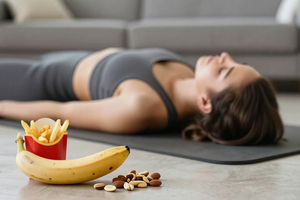
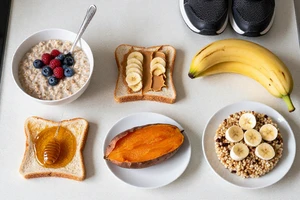
If you want to support your flexibility gains, aim to eat your last substantial meal two to three hours before practice. Focus on low-sodium, low-fat, moderate-protein options that digest quickly. Examples include a banana with almond butter, a small bowl of oatmeal with berries, or a handful of rice cakes with avocado and a sprinkle of salt.
Hydration matters just as much. Sip water steadily throughout the day rather than chugging a liter right before class. If you tend to feel stiff, try adding a pinch of high-quality sea salt to your water—the trace minerals support electrolyte balance without the heavy sodium load of processed foods.
Flexibility is not only about how often you stretch. It is about the internal environment in which your muscles and fascia operate. A clean, well-timed diet keeps that environment fluid, responsive, and ready to open.