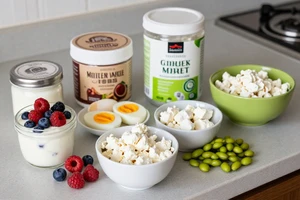
That deep, satisfying soreness in your muscles 24 to 48 hours after a heavy squat set is a signal of progress — and a reminder that recovery is just as important as the lift itself. While rest and sleep do the heavy lifting behind the scenes, the food you eat in the hours after a workout provides the raw materials your body needs to repair micro-tears, replenish energy stores, and come back stronger for the next session.
Strength training breaks down muscle tissue on purpose. To rebuild it — a process called muscle protein synthesis — your body needs a steady supply of protein, carbohydrates to restore glycogen, and anti-inflammatory nutrients to manage the normal inflammatory response. These five foods hit all those targets in ways that are practical, delicious, and backed by nutrition science. None of them requires a specialty order or a complicated recipe.
1. Eggs — The Complete Protein Benchmark
Eggs are often called the gold standard of protein for a reason. A single large egg provides about 6 grams of protein with a perfect amino acid profile for human muscle repair. That means all nine essential amino acids are present in the right ratios — particularly leucine, the key amino acid that triggers muscle protein synthesis.
The beauty of eggs for recovery is their versatility. Hard-boiled eggs are portable and keep for days in the fridge. A quick scramble after a morning lift takes five minutes. And because eggs are relatively low in calories compared to other protein sources, they leave room for other recovery foods in the same meal without overloading your stomach after training.
What about the yolks?
Yes, eat the yolk. More than half of the protein in an egg is in the white, but the yolk contains fat-soluble vitamins (A, D, E) and choline, which supports cell membrane repair. The fat in the yolk also helps your body absorb certain nutrients. For recovery purposes, whole eggs outperform egg whites alone.
2. Cottage Cheese — Slow-Digesting Casein for Overnight Repair
Cottage cheese is unique among common dairy products because it is rich in casein protein. Unlike whey (the fast-digesting protein in milk and many powders), casein forms a gel in your stomach that releases amino acids slowly over several hours. That makes cottage cheese an ideal choice before bed or at times when you know a meal is hours away.
A one-cup serving of low-fat cottage cheese delivers roughly 28 grams of protein and a solid dose of calcium, which plays a role in muscle contraction and nerve signaling. The mild flavor pairs well with fruit, honey, or a sprinkle of cinnamon — or you can eat it straight from the container without any shame.
Tip: Look for cottage cheese with live active cultures. The probiotics can support gut health, which plays a surprisingly large role in overall recovery and nutrient absorption.
3. Salmon — Omega-3s That Cool Down Inflammation
Post-strength-training inflammation is a normal and necessary part of muscle adaptation. But when inflammation lingers or becomes excessive, it can slow recovery and make you feel stiff for days. Salmon is one of the best natural sources of long-chain omega-3 fatty acids (EPA and DHA), which help resolve inflammation without shutting down the repair process entirely.
Three to four ounces of wild or sustainably farmed salmon provides about 20 grams of high-quality protein plus those omega-3s. Additionally, salmon is rich in vitamin D, which is linked to muscle strength and function. Canned salmon (with bones, for calcium) or pre-portioned frozen fillets make this recovery food as convenient as a packet of tuna.
4. Sweet Potatoes — Glycogen Replenishment Without the Spike
Your muscles store glycogen as their primary fuel for high-intensity lifting. After a tough session, those stores are partially depleted, and eating carbohydrates helps refill them. Sweet potatoes are a standout choice because they provide complex carbohydrates with a moderate glycemic index — meaning they raise blood sugar steadily rather than spiking it, sustaining energy for the next workout.
One medium sweet potato contains about 26 grams of carbs, 4 grams of fiber, and a massive dose of beta-carotene (an antioxidant that gets converted to vitamin A). The fiber content also helps with digestive health, which matters more for recovery than most people realize. Baked, roasted, or mashed, sweet potatoes pair naturally with any protein source from the list above.
5. Tart Cherry Juice — A Surprising Anti-Inflammatory Ally
Tart cherry juice has gained serious research attention in the last decade for its effects on muscle recovery. It is rich in anthocyanins, plant compounds with potent antioxidant and anti-inflammatory activity. Several small but consistent studies have found that drinking tart cherry juice after intense exercise can reduce markers of muscle damage, decrease soreness, and speed up the return of strength.
You don't need gallons of it. One 8-ounce glass of unsweetened tart cherry juice daily during periods of heavy training is enough to notice a difference. It works especially well when consumed shortly after your workout or with your post-training meal. Just be mindful of added sugars — look for 100% tart cherry juice with no sweeteners.
A practical note: If the cost or availability of fresh tart cherries is a problem, research-grade tart cherry juice concentrates are widely available online and in health food stores.
Putting It All Together: A Sample Recovery Day
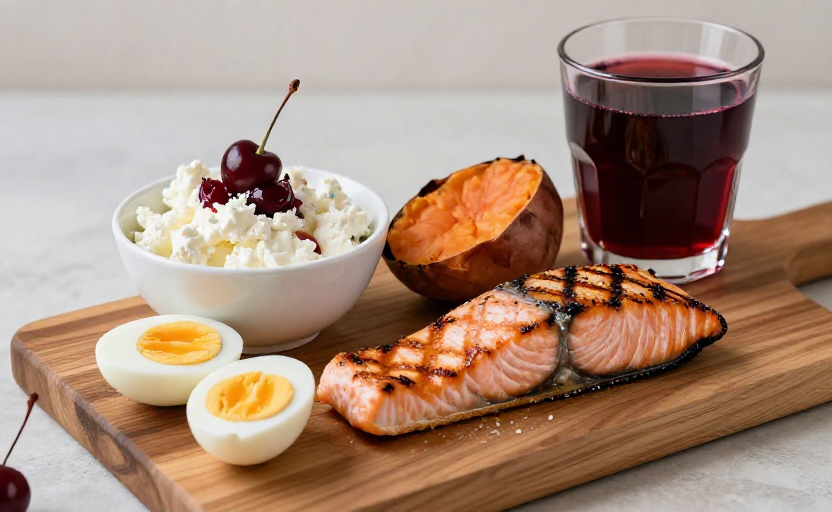
None of these five foods requires a complicated meal plan. A breakfast of scrambled eggs with a side of roasted sweet potato covers protein, carbs, and anti-inflammatory nutrients right after a morning session. Lunch could be a salmon salad with greens and a small sweet potato. For a late-night snack, a bowl of cottage cheese with fresh cherries supports overnight repair. And if soreness is particularly noticeable, a glass of tart cherry juice in the afternoon provides a targeted anti-inflammatory boost.
The real key is consistency. One protein-rich meal after a single workout will not transform your recovery. But making these five foods a regular part of your post-training routine — in whatever combination fits your taste and schedule — can reduce how long you stay sore, help your muscles adapt to heavier loads, and ultimately make your next set of reps feel fresher than it would otherwise.