
You’ve done the Sunday chopping. You’ve weighed the chicken, portioned the rice, and logged every gram of olive oil. Yet the scale isn't moving the way you expected, and you feel bloated by mid-afternoon. If this sounds familiar, the culprit might not be what you’re eating—but how much fiber you’re actually getting, or rather, how you’re getting it wrong.
Fiber is often hailed as the unsung hero of weight management. It adds bulk, slows digestion, and helps regulate blood sugar. But in the quest to cut calories and prep meals for the week, it’s surprisingly easy to make a few critical mistakes that turn this helpful nutrient into a source of discomfort and stalled progress. Here are five fiber missteps that could be undermining your meal prep calorie goals, and how to fix them without turning your kitchen upside down.
Mistake #1: Ramping Up Fiber Too Fast, Too Soon
It’s commendable to decide you’re going to eat more lentils and kale. But if your digestive system is used to a low-fiber diet, dumping 30+ grams into your system overnight is a recipe for disaster—literally. Gas, bloating, and cramping often result from a sudden influx of fiber, which can make you feel uncomfortably full and less likely to stick to your meal plan.
The fix is slow integration. Instead of adding a cup of beans to every lunch, start with a quarter cup for a few days. Let your gut microbiome adjust to the new workload. This gradual approach also helps you distinguish between true hunger and the uncomfortable, gaseous distension that sometimes mimics fullness.
Mistake #2: Ignoring the Soluble vs. Insoluble Balance
Not all fiber is created equal in the context of a calorie-controlled diet. Soluble fiber (found in oats, apples, carrots, and beans) dissolves in water and forms a gel-like substance that can help control appetite and lower cholesterol. Insoluble fiber (found in celery, whole wheat, and nuts) adds bulk to stool and helps things move through the digestive tract.
The mistake? Loading up exclusively on leafy greens and whole grains (insoluble) without enough soluble fiber to keep you satiated. This leaves you feeling full in a physical, distended way, but not necessarily satisfied cognitively—leading to late-night snacking on the very calories you tried to avoid. For a balanced meal prep, aim for a mix: think oats for breakfast (soluble) alongside a side of sautéed spinach at dinner (insoluble).
Mistake #3: Forgetting the Water Equation
Fiber is a sponge. It pulls water into your digestive tract to do its job effectively. If you increase your fiber intake by 10 grams but don't also increase your water consumption by at least an extra glass or two, you’re essentially creating a traffic jam. The fiber can't swell properly, leading to constipation and discomfort that derails your energy and your willpower.
In the context of meal prep, this is especially sneaky because pre-cooked meals often lose moisture. You might be eating dry chicken and roasted broccoli with high-fiber brown rice, but without enough added liquid during reheating or extra water throughout the day, the fiber won't work for you. Keep a water bottle on your desk and hydrate with each meal.
A quick tip: If you feel a gurgling, locked-up sensation an hour after eating your prepped meal, drink a full glass of water first—before reaching for a snack.
Mistake #4: Relying Only on “Grain-Based” Fiber Sources
When people hear “eat more fiber for weight loss,” they often default to whole-wheat pasta, brown rice bowls, and oat-heavy breakfasts. While these are better than their refined counterparts, a diet dominated by grain fiber can still spike blood sugar for some individuals and lead to a feeling of heavy carbohydrate load that doesn't support calorie efficiency.
The better strategy is to chase fiber from non-grain sources: vegetables, legumes, nuts, and seeds. A serving of lentils or chickpeas delivers more fiber per calorie than a slice of whole-grain bread and keeps you fuller for longer. Similarly, incorporating flax meal or chia seeds into your prepped dressings or smoothies adds fiber without the extra heavy carbs. This swap alone can dramatically improve satiety without adding excessive calories or carb fatigue.
Mistake #5: Portioning Fiber Incorrectly Across the Week
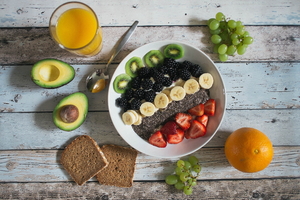
Meal prep is about distribution. A common error is to have a very high-fiber breakfast (say, a giant oat bowl with berries and chia seeds) and then almost zero fiber at dinner (just lean chicken and white rice). This creates a blood sugar spike and crash in the morning, followed by an afternoon slump that often leads to cravings for sugary snacks.
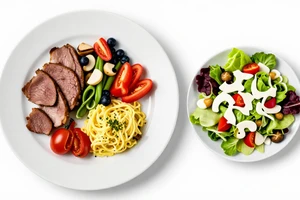
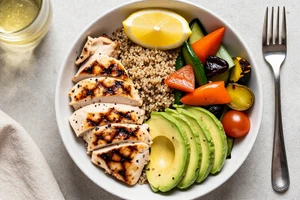
The ideal distribution spreads fiber evenly across all meals. Each container should have a balance: a protein source, a healthy fat, a carb, and a fiber source. A simple way to check is to ensure every lunch and dinner container has at least one full cup of non-starchy vegetables or a portion of legumes. This prevents the gut from being overwhelmed at one meal and under-supported at another, stabilizing your energy and your calorie adherence throughout the entire day.
Fixing these five mistakes doesn’t require a complete kitchen overhaul. It simply asks for a more thoughtful approach to how you add fiber to your meal prep. Start slowly, balance your types of fiber, drink more water, diversify your sources, and spread it evenly. Your gut—and your calorie goals—will thank you.