
If you have ever felt hungry an hour after a perfectly balanced meal, you know appetite control is not just about willpower. It is biology. And one of the most powerful—yet often overlooked—tools in the biology of fullness is dietary fiber.
Fiber slows down the emptying of your stomach, triggers satiety hormones, and feeds the beneficial bacteria that produce their own appetite-regulating compounds. But knowing that fiber is good and actually weaving more of it into your daily routine are two different things. Here are three concrete, research-supported ways to do exactly that.
1. Anchor every meal with a legume or pulse
Beans, lentils, chickpeas, and split peas are not just high-fiber ingredients—they are hybrids of fiber and protein that create a double hit on appetite. A single cup of cooked lentils delivers roughly 15 grams of fiber, plus a solid dose of resistant starch that resists digestion entirely.
Try this: swap half the ground meat in a chili or bolognese sauce for cooked brown lentils. You will not notice the difference in texture, but your appetite in the afternoon will behave differently. You can also toss chickpeas into salads or blend white beans into creamy soups for a fiber lift that does not taste like health food.
Small shift method: keep a can of rinsed chickpeas or a pouch of cooked lentils in the fridge. Add a handful to any grain bowl, wrap, or soup.
2. Layer fibers, do not chase one source
Different fibers work in different parts of the digestive tract and at different speeds. Soluble fiber (found in oats, barley, apples, and psyllium) forms a gel in the stomach that directly blunts hunger. Insoluble fiber (found in wheat bran, nuts, and vegetable skins) adds bulk and speeds transit. When you combine them, you get both immediate fullness and longer-lasting satiety.
A practical way to layer: eat an apple with the skin on (soluble pectin + insoluble skin) alongside a handful of almonds. Or top your morning oatmeal with chia seeds and chopped walnuts. You are not chasing one superfood; you are stacking two different mechanisms.
Modern convenience products can help here too. If you are using a fiber supplement or a high-fiber snack bar, look for one that lists multiple fiber sources (chicory root, oat fiber, acacia gum) rather than a single isolated ingredient.
3. Use seeds as a stealth fiber booster
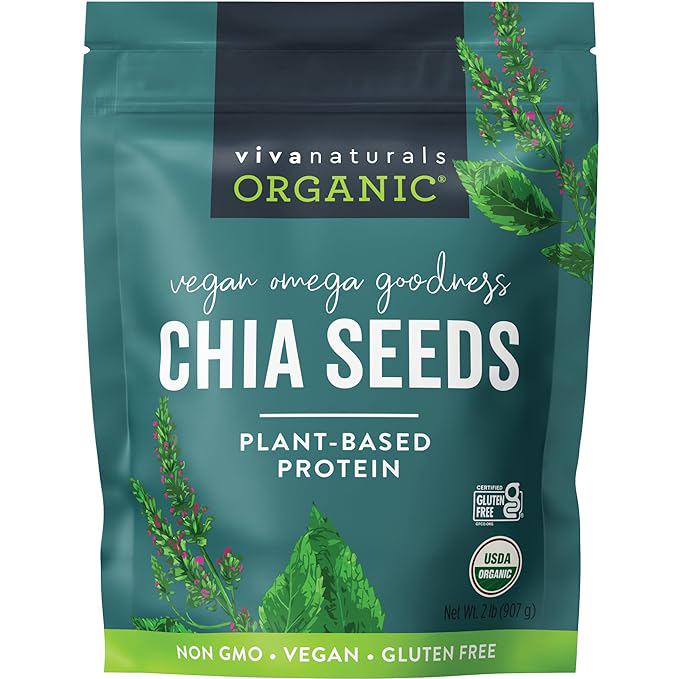
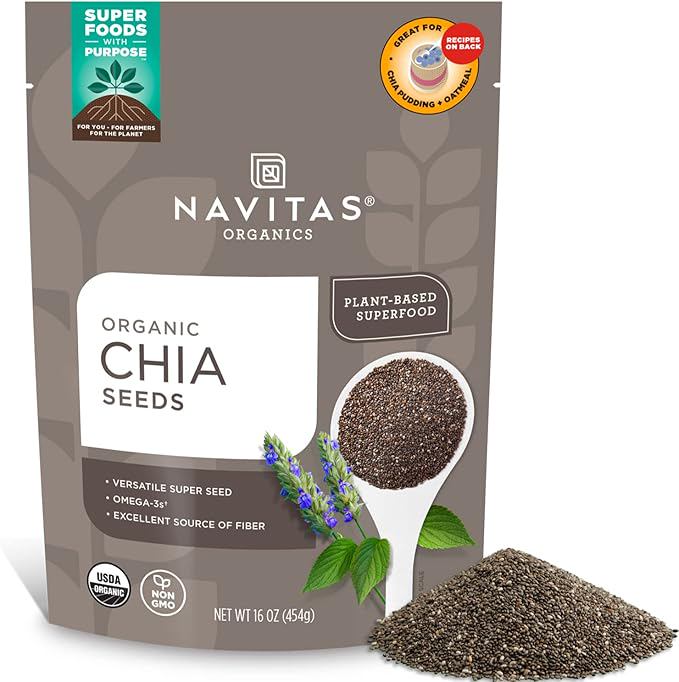
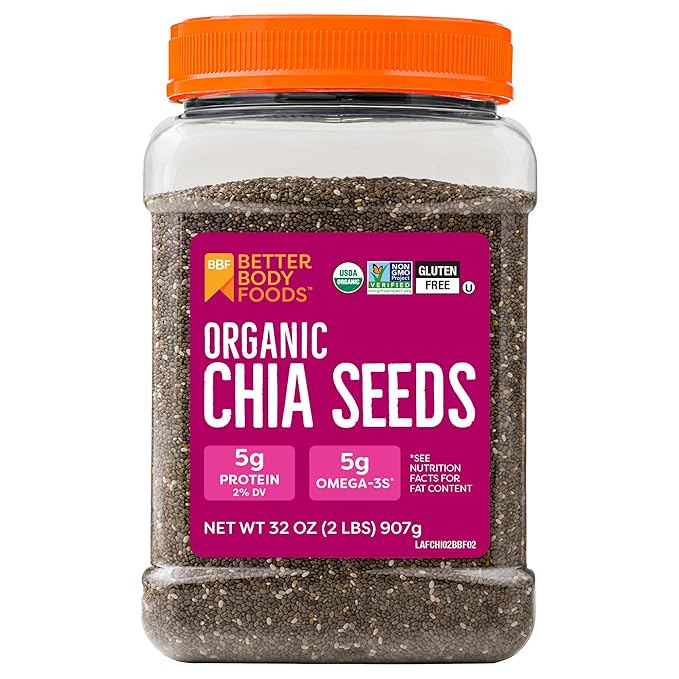
Seeds are extraordinarily dense in fiber and almost invisible when added to other foods. Chia seeds, flaxseeds, hemp seeds, and pumpkin seeds each provide between 2 and 5 grams of fiber per two-tablespoon serving. They have almost no flavor and do not change the texture of most dishes if you add them correctly.
Ground flaxseeds can be stirred into yogurt, oatmeal, or even pasta sauce without detection. Chia seeds can be soaked into a pudding or whisked into a smoothie for a thicker, more filling drink. Hemp seeds work beautifully sprinkled on top of salads or avocado toast.
The key is consistency: one seed here or there will not move the needle. Aim to use at least two tablespoons of a seed in one meal per day, every day.
Odds are you are eating much less fiber than you think. The standard American diet delivers roughly 15 grams daily, while the recommended minimum is 25 grams for women and 38 for men. These three strategies can close that gap without requiring a complete kitchen overhaul. Start with one, add the second when that feels easy, and let the third become your insurance policy.