
When you think about habits that add inches to your waistline, skipping fiber at meals probably isn't the first culprit that comes to mind. Most of us focus on sugar, refined carbs, or portion sizes. Yet mounting evidence suggests that consistently missing out on fiber could be one of the stealthiest contributors to belly fat accumulation.
Fiber is not just a digestive aid—it's a metabolic regulator. When you consistently leave it off your plate, your body responds in ways that make storing fat around your midsection more likely. Here's what the research shows about this overlooked habit and how to correct it without overhauling your entire diet.
What happens when you skip fiber
Dietary fiber, particularly the soluble kind found in oats, beans, and certain fruits, acts like a slow-release mechanism for your meals. It forms a gel-like substance in your gut that delays gastric emptying—meaning food moves through your system more slowly. This does two things: it keeps blood sugar from spiking after a meal, and it helps you feel full longer.
Without fiber, your body processes carbohydrates much faster. Blood sugar rises quickly, prompting a surge of insulin. Insulin is a fat-storage hormone, and when levels stay high, your body preferentially stores energy as fat—particularly visceral fat, the type that accumulates deep in the abdomen around your organs. Over time, meals low in fiber create a cycle of insulin spikes, followed by blood sugar crashes that lead to cravings for more refined carbs.
The hunger trap
One of the most immediate consequences of a low-fiber meal is hunger that returns too soon. Fiber provides bulk without many calories, stretching the stomach and triggering satiety signals to your brain. Without it, you tend to consume more calories at the next meal or snack. This caloric surplus, sustained over months, accumulates as abdominal fat.
A simple rule: If you're hungry an hour after a meal, the meal likely lacked enough fiber.
Fiber and the gut microbiome connection
Another less-known link between fiber and belly fat is your gut microbiome. The trillions of bacteria living in your colon thrive on soluble fiber—it's their primary fuel source. When they ferment fiber, they produce short-chain fatty acids like butyrate, which have been shown to reduce inflammation and improve insulin sensitivity.
When you skip fiber, you starve these beneficial bacteria. The microbial balance shifts, and certain strains linked to obesity can proliferate. A less diverse microbiome is associated with greater fat storage, particularly around the midsection. This connection is so strong that some researchers consider fiber intake a proxy for metabolic health.
How much fiber do you actually need?
The standard recommendation is about 25 grams per day for women and 38 grams for men, but most Americans average only 10 to 15 grams. The deficit is not a secret—it's just that fiber-rich foods often get pushed aside for convenience foods or skipped entirely at the busiest meal of the day.
If you are actively trying to reduce belly fat, aiming for the higher end of that range (while increasing intake gradually) can make a measurable difference. Studies tracking dietary patterns show that each additional 10 grams of daily fiber is associated with roughly 4% less visceral fat accumulation over time.
Where to start adding fiber back in
You do not need to eat a bowl of bran flakes every morning or carry around chia puddings. Small, strategic additions to meals you already eat can close the fiber gap without making you feel like you're on a restrictive diet.
- Start with breakfast. Add a tablespoon of ground flaxseed or chia seeds to oatmeal, smoothies, or yogurt. This adds about 3 to 4 grams of fiber with minimal effort.
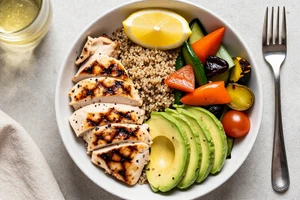
- Make vegetables half your plate at lunch and dinner. Not just lettuce—think broccoli, Brussels sprouts, carrots, or bell peppers. Roasted vegetables are easy to prep in batches.
- Choose whole fruit over juice. A medium apple with skin contains about 4.5 grams of fiber; a glass of apple juice has virtually none.
- Substitute one refined grain per day. Swap white rice for quinoa or barley, or choose whole-grain bread instead of white bread. Each swap adds a few grams.
- Keep canned beans on hand. Rinse and add a half-cup of chickpeas or black beans to salads, soups, or grain bowls. That's roughly 6 grams of fiber added to one meal.
Common mistakes people make with fiber
Some people try to fix a fiber deficiency overnight and end up with bloating, gas, or discomfort. The key is gradual increase paired with adequate water intake. Fiber absorbs water and swells in the digestive tract; without enough fluid, it can actually cause constipation.
Another mistake is assuming that all high-fiber packaged foods are healthy. Many fiber bars and cereals are loaded with added sugars and artificial ingredients that counteract the benefits. Whole food sources are always the better choice because they come with vitamins, minerals, and phytochemicals that work synergistically.
What about fiber supplements?
While psyllium husk or other fiber supplements can help bridge a shortfall, they do not replicate the full metabolic benefits of fiber from whole foods. Whole foods provide a matrix of nutrients that work together. Supplements can be a useful tool, but they should not replace dietary sources long-term. If you do use one, start with a small dose and drink plenty of water.
Addressing the habit of skipping fiber is one of the quieter, less trendy changes you can make for body composition. It does not require eliminating foods you love or following a complicated plan. It simply means being intentional about including plant-based, fiber-rich foods at each meal. Over weeks and months, this single adjustment can shift your metabolism in a direction that makes storing belly fat less likely.