You just finished a challenging session of progressive overload—sets that pushed your muscles closer to failure, heavier loads, or extra reps than last week. That feeling of accomplishment is real. But the abrupt stop from max effort to couch mode isn't doing your recovery any favors. A strategic cool-down isn't about stretching for flexibility; it's about signaling your nervous system to shift gears from fight-or-flight to rest-and-repair. Here are five practical, no-fluff ways to wind down after a high-intensity strength session.
1. Walk it off, literally
After your last set of squats or overhead press, resist the urge to sit down. Instead, spend five minutes walking at a slow, easy pace. This low-intensity movement keeps blood circulating, which helps flush metabolic waste products like lactate from your working muscles. It's not about burning more calories—it's about preventing that dizzy, nauseous feeling that can hit when you stop moving too quickly. Aim for a pace where you could hold a full conversation without huffing.
2. Use deep breathing to lower the heart rate
Your sympathetic nervous system (the one driving your aggressive lifting) needs a cue to step down. Diaphragmatic breathing is that cue. Sit or stand comfortably, place one hand on your stomach, and inhale slowly through your nose for a count of four. Let your belly expand. Exhale through your mouth for a count of six, making the exhale longer than the inhale. Repeat for 10 to 12 breaths. This triggers the vagus nerve and promotes a parasympathetic (rest-and-digest) state. Do this before you even touch a stretch.
Cue the vagus nerve: Longer exhales signal safety to your brain. It's the fastest off-switch for post-workout adrenaline.
3. Prioritize static stretching for the worked muscles
Progressive overload taxes specific muscle groups. If you deadlifted, your hamstrings, glutes, and spinal erectors need attention. If you benched, the pecs, front delts, and triceps take the brunt. Hold each stretch for 30 seconds without bouncing. Focus on the muscle groups you just trained—general whole-body stretching is less effective here. A sample cool-down stretch for lower body day could include a standing hamstring stretch, a seated glute stretch, and a supine spinal twist. No need to force it; gentle tension is enough.
4. Refuel with the right nutrients, not a random snack
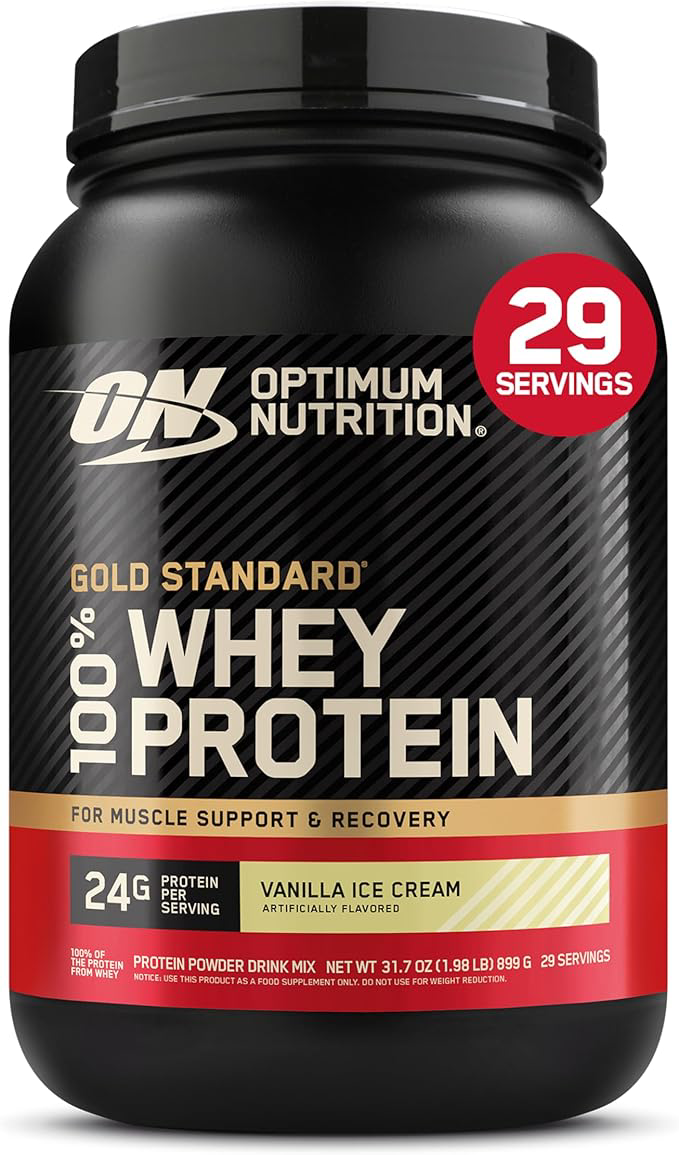
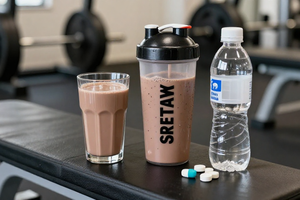
Cool-down doesn't end when you leave the gym floor. Your body needs raw materials to repair the micro-tears caused by the overload. That means protein for muscle repair and carbohydrates to replenish glycogen stores. Aim for a 3:1 or 4:1 ratio of carbs to protein within 45 minutes of finishing your workout. A shake with banana and whey, a turkey sandwich, or Greek yogurt with berries works well. Hydration also matters—sip water or an electrolyte drink if you sweated heavily.
5. Keep a training log for the next session
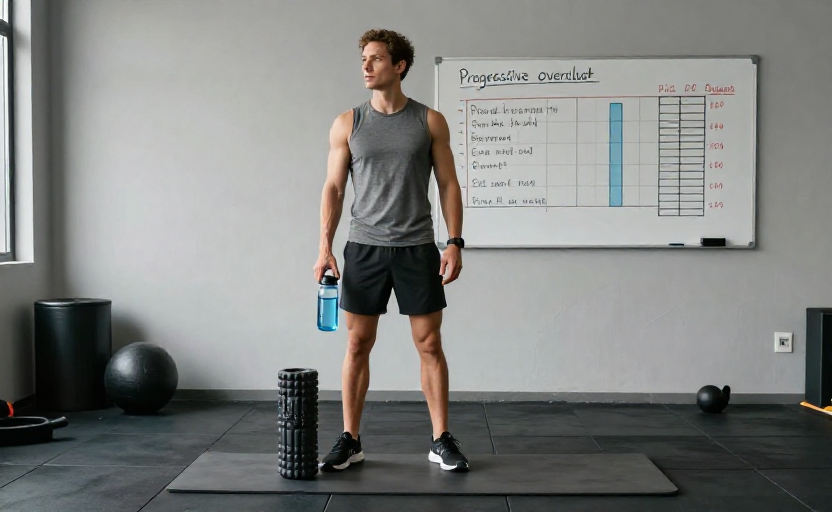
This might seem unrelated to physical recovery, but capturing how you felt during the workout is critical for progressive overload. Before you shower, jot down the weight lifted, reps completed, and a subjective effort score (rate of perceived exertion out of 10). Also note any joint aches or unusual fatigue. This data helps you decide whether to add five pounds next week or repeat the same load. It prevents you from guessing and reduces the risk of overreaching into injury territory.
Cooling down after progressive overload workouts isn't just a box to check—it's an investment in consistency. The better you recover, the sooner you can train hard again. Pick one or two of these strategies and try them after your next session. Your muscles will thank you, and your next PR might be closer than you think.