
You crushed your set, hit the rack, and left the gym with that satisfying burn. Now comes the part that actually builds the muscle you just worked: recovery. What you eat in the window after strength training can either kickstart repair or leave you sore and flat. But you don’t need a complicated shake or a shelf full of supplements—real food, paired smartly, does the job just as well.
The science is straightforward. Resistance exercise tears muscle fibers, and your body needs two main things to rebuild them: protein (for the amino acids that patch and strengthen the tissue) and carbohydrates (to replenish the glycogen you burned and to shuttle protein into the muscle cells more efficiently). A snack that delivers both, ideally within an hour or two after training, can reduce soreness and improve adaptation over time. Here are five snack combos that hit that target, backed by sports-nutrition research and common sense.
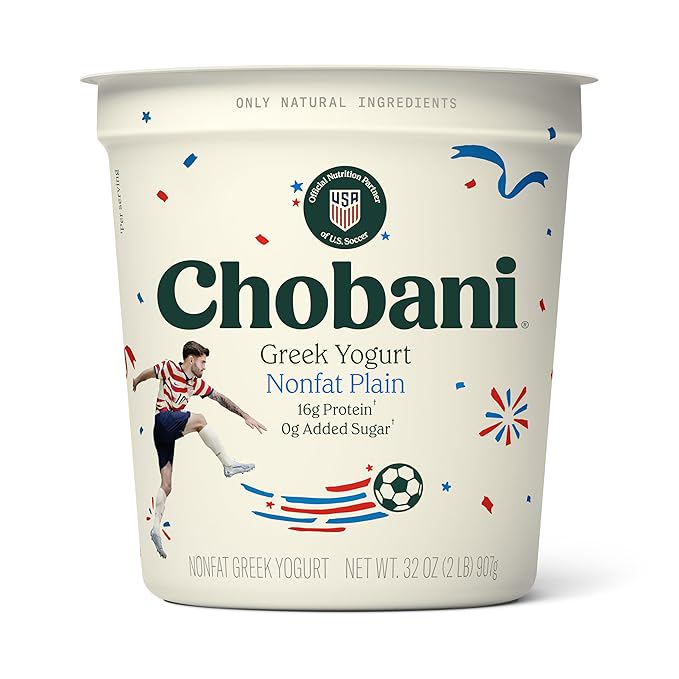
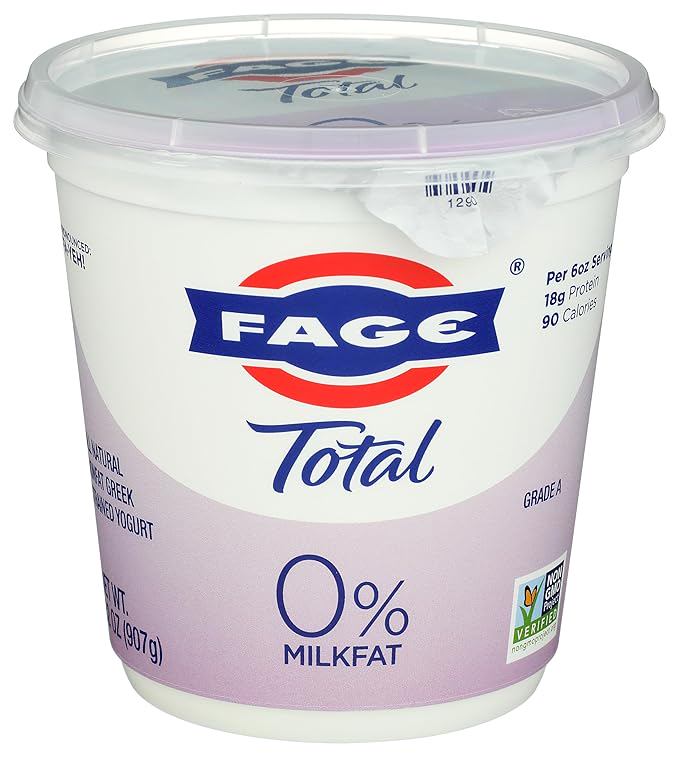
1. Greek yogurt with berries and a drizzle of honey
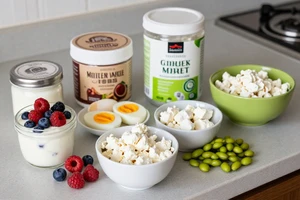
Plain Greek yogurt is a heavy hitter for post-workout protein—roughly 15 to 20 grams per single-serving container, depending on the brand, with casein and whey that digest at different speeds. Adding berries gives you a quick dose of carbohydrates plus antioxidants, which can help quell exercise-induced inflammation. A teaspoon of honey sweetens the deal with simple sugars that your muscles can absorb almost immediately.
This combo is especially useful if you train in the morning, because it’s light, doesn’t sit heavy, and takes about thirty seconds to assemble. If dairy bothers you, unsweetened coconut or soy yogurt with similar protein levels works as a swap.
2. Apple slices with almond butter
This classic pairing often gets overlooked as a serious recovery option, but it earns its place. A medium apple provides around 25 grams of carbohydrates, mostly as fructose and glucose, to refuel glycogen stores. Almond butter supplies healthy fats and about 7 grams of protein per two-tablespoon serving—not as high as some other choices, but enough when paired with a carbohydrate source that helps with absorption.
The fat content in almond butter also slows digestion, which can be a benefit if you won’t eat a full meal for a few hours, because it extends the release of nutrients. Watch portion sizes if you’re trying to manage overall calorie intake; two tablespoons is plenty.
3. Whole-grain crackers with cottage cheese
Cottage cheese has been a bodybuilding staple for good reason. A half-cup serving holds about 14 grams of protein, mostly casein, which clots in the stomach and provides a slow, steady stream of amino acids to muscles over several hours. That makes it especially smart for evening workouts, since the gradual release can support repair overnight.
Whole-grain crackers add the carbohydrate counterpoint and a little fiber. Look for brands with at least 3 grams of fiber per serving to get the most sustained energy. A sprinkle of black pepper or everything bagel seasoning makes it feel less like a diet snack and more like actual food.
4. Hard-boiled eggs with an orange
Two hard-boiled eggs give you about 12 grams of high-quality protein, plus choline, which supports cell membrane health and nervous system function. The orange contributes a generous amount of vitamin C—important for collagen synthesis in connective tissue—and simple sugars to help restock glycogen.
This combo travels extremely well. You can boil eggs in batches at the start of the week, grab one or two with an orange, and have a portable recovery snack that doesn’t require refrigeration for a few hours. If you’re watching dietary cholesterol, one whole egg and one white still works, though you lose a bit of the fat-soluble vitamins in the yolk.
5. Chocolate milk
Yes, it counts as a snack combo—chocolate milk naturally pairs the carbohydrates from sugar and lactose with the protein from milk. Research has repeatedly shown that the 4:1 or 3:1 carb-to-protein ratio in chocolate milk (depending on the brand) can be nearly as effective as commercial recovery drinks for endurance and strength athletes.
The convenience is hard to beat. Buy a single-serving carton or shake up cocoa powder with regular milk at home. The added sugars in chocolate milk are actually functional here because they provide immediate glucose for depleted muscles. If you are strict about added sugars, look for a brand that uses less sugar without artificial sweeteners, or make your own with a teaspoon of cocoa and a teaspoon of honey stirred into whole milk.
None of these combos require powders, bars, or expensive tubs. They rely on whole ingredients that work with your kitchen staples and your schedule. The key is consistency: eating something with protein and carbs shortly after your strength session, most days, for the long term.