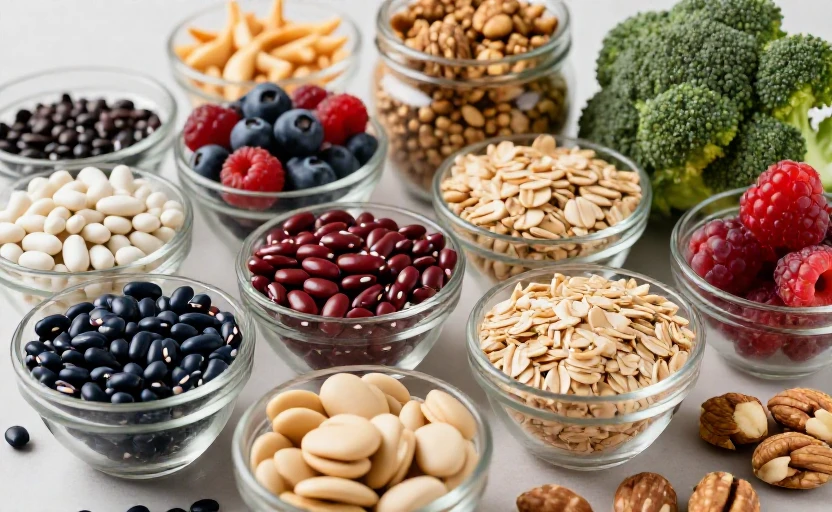
When we talk about building a balanced diet, fiber often gets a polite nod before the conversation moves on to protein or the latest superfood. Yet, this humble nutrient is a cornerstone of well-being, quietly supporting everything from digestion to heart health. Getting enough isn't about a single miracle food, but about weaving a variety of fiber-rich sources into your daily meals.
Dietary fiber, found in plant foods, is the part our bodies can't fully digest. This is precisely what makes it so valuable. It adds bulk, helps regulate digestion, and can keep you feeling satisfied longer. While the source material shares a personal journey with dietary changes, it highlights a universal truth: paying attention to what fuels your body, like prioritizing fiber, can lead to noticeable benefits in how you feel day to day.
Why is fiber so important for a balanced diet?
Fiber plays several critical roles. Soluble fiber, which dissolves in water, can help manage healthy cholesterol and blood sugar levels. Insoluble fiber, which doesn't dissolve, adds bulk to stool and supports regular bowel movements. Together, they feed the beneficial bacteria in your gut, contributing to a healthy microbiome linked to immune function and even mood. A diet rich in fiber is associated with a lower risk of heart disease, type 2 diabetes, and certain cancers.
Think of fiber as the essential scaffolding for your digestive system—it keeps everything moving smoothly and provides a foundation for overall health.
What are the best high-fiber foods to include?
Focusing on whole, minimally processed plant foods is the simplest path to increasing your fiber intake. Here are five essential categories to prioritize, explained for easy inclusion in your meals.
1. Legumes: Beans, Lentils, and Peas
This family is a fiber powerhouse. A single cup of cooked lentils provides about 15 grams. They are incredibly versatile—blend them into dips like hummus, add them to soups and stews, or toss them into salads. They're also a great source of plant-based protein, making them a doubly valuable addition to any plate.
2. Whole Grains
Not all grains are created equal. Choose whole grains over refined ones to get the full fiber benefit. This means opting for:
- Oats (especially steel-cut or old-fashioned)
- Quinoa
- Brown rice or wild rice
- Barley
- Whole-wheat bread and pasta
Starting your day with oatmeal or choosing a brown rice bowl for lunch are simple, effective swaps.
3. Berries and Other Fruits
Fruits with edible skins and seeds tend to be highest in fiber. Raspberries and blackberries top the list, offering about 8 grams per cup. Pears, apples (with the skin on), and bananas are also excellent choices. Enjoy them as snacks, add them to yogurt or cereal, or blend them into smoothies.
4. Cruciferous and Leafy Vegetables
Broccoli, Brussels sprouts, and cauliflower are not only fiber-rich but also packed with other nutrients. Dark leafy greens like kale, Swiss chard, and spinach offer a good amount of fiber in a low-calorie package. Roasting, steaming, or sautéing these vegetables can make them a delicious and substantial part of any meal.
5. Nuts and Seeds
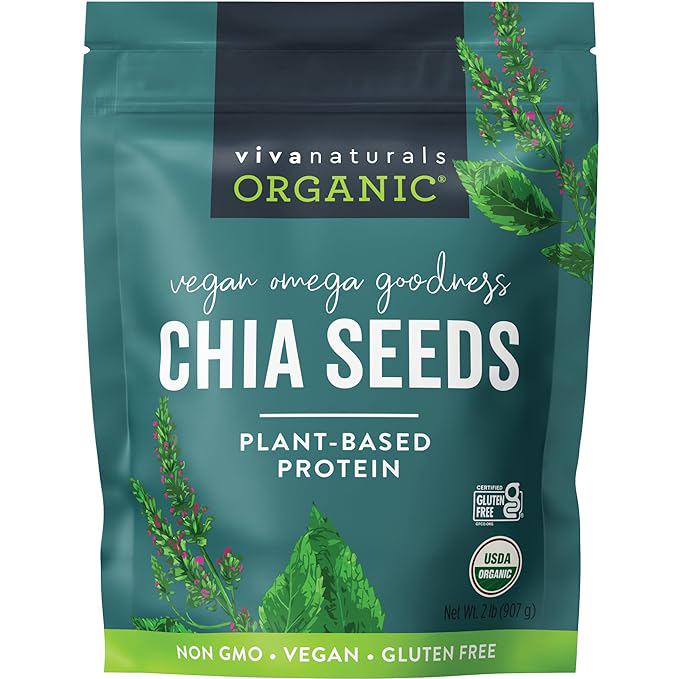
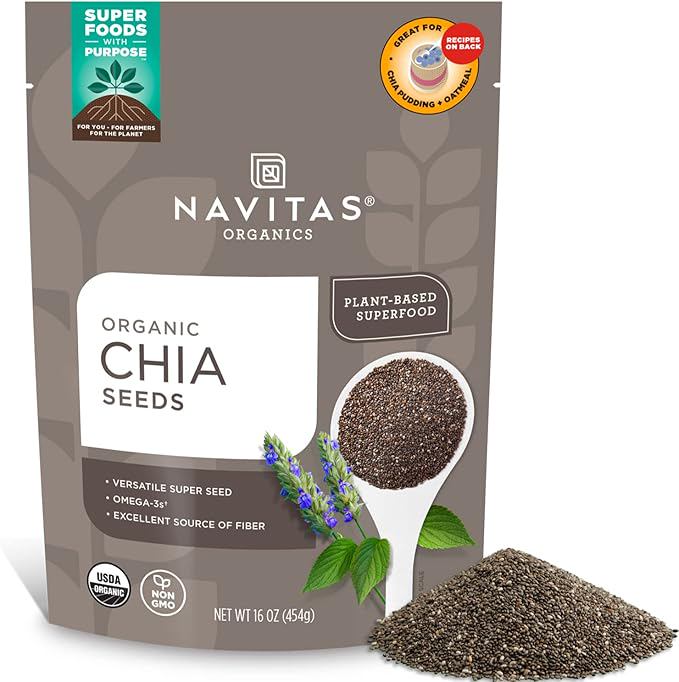
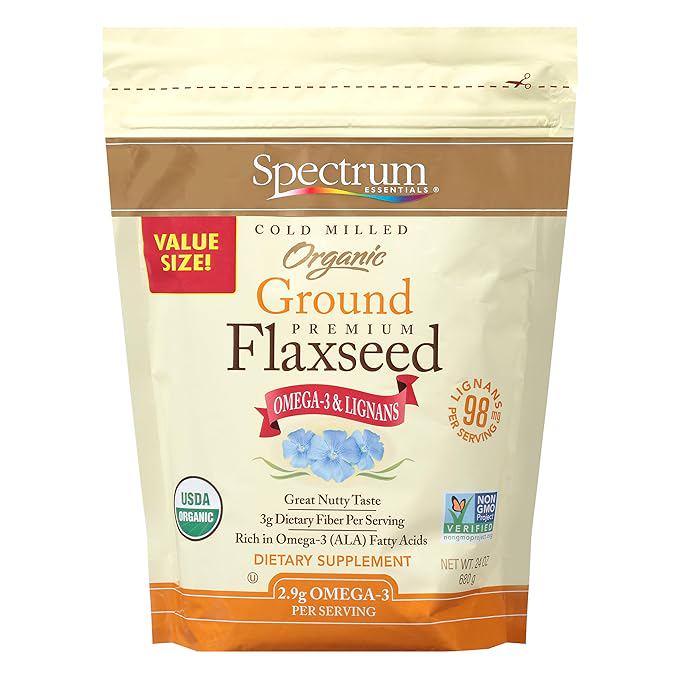
While also high in healthy fats, nuts and seeds are a concentrated source of fiber. Chia seeds and flaxseeds are particularly notable—just a tablespoon can add 3-5 grams. Sprinkle them on oatmeal or salads, or use them to make a simple pudding. Almonds, pistachios, and sunflower seeds also make for satisfying, fiber-boosting snacks.
How can you add more fiber without discomfort?
A sudden, large increase in fiber can cause bloating or gas. The key is to increase your intake gradually over a few weeks, allowing your digestive system to adjust. Equally important is to drink plenty of water, as fiber absorbs water to work effectively. Pairing new high-fiber foods with foods you already tolerate well can also help ease the transition.
Putting it all together
A balanced diet isn't about perfection; it's about consistent, mindful choices. You don't need to overhaul every meal at once. Start by adding a serving of beans to your weekly menu, swapping your morning toast for whole grain, or snacking on an apple with a handful of almonds. Over time, these small shifts create a sustainable pattern of eating that naturally supports your health, much like the positive changes experienced through mindful dietary adjustments. Listen to your body, increase fiber and water slowly, and enjoy the variety and flavors these whole foods bring to your table.