You know the feeling: You eat a seemingly healthy breakfast, but by mid-morning, you're rummaging through your desk drawer for something sweet. Or maybe you finish lunch only to feel a powerful pull toward the office candy bowl just an hour later. While it's easy to chalk these urges up to a lack of willpower, the truth is often more biochemical. Certain daily eating habits can actually prime your brain and body to crave sugar all day long, creating a cycle that feels hard to break. The good news is that by identifying these patterns, you can make small shifts that stabilize your energy and quiet those cravings at the source.
Here are five common dietary mistakes that can make sugar cravings worse throughout the day—and what to do about them.
1. You skip breakfast or eat a carb-heavy one
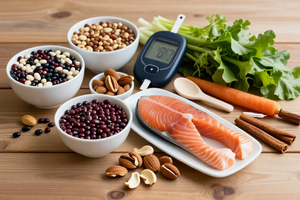
It might seem like a time-saver, but skipping the first meal sets you up for a blood sugar rollercoaster. When you don't eat, your body's glucose levels drop, and your brain, which runs on glucose, sends out a distress signal. That often translates into a fierce craving for a quick source of energy—sugar. Even if you do eat breakfast, if it is mostly refined carbohydrates (a bagel, a bowl of sugary cereal, or a danish), you get a rapid spike in blood sugar followed by a sharp crash. The crash triggers hunger and cravings for more sugar to bring your energy back up. A better approach is to start your day with a balanced plate that includes protein, healthy fat, and fiber. Think eggs with sautéed greens and avocado, or a bowl of plain Greek yogurt with berries and nuts.
2. You rely on ultra-processed snacks for energy
Packaged snacks—even ones labeled "healthy" or "natural"—are often engineered to be hyper-palatable. They combine sugar, refined flour, and unhealthy fats in a way that lights up the reward centers of your brain. The problem is that these snacks offer very little satiety. They digest quickly, flood your system with sugar, and leave you hungry again soon after. This cycle doesn't just affect your waistline; it trains your taste buds to expect a high level of sweetness, making whole foods like fruit or vegetables seem bland by comparison. When you find yourself craving a 3 PM snack, try reaching for something with more staying power, like apple slices with almond butter or a handful of walnuts and a piece of cheese.
3. You aren't eating enough protein or fiber at meals
Protein and fiber are the two most critical nutrients for blood sugar stability. Protein slows down digestion and helps keep you feeling full, while fiber (especially soluble fiber) blunts the absorption of sugar into the bloodstream. If your lunch is a simple salad with only lettuce and a vinaigrette, or a sandwich on white bread with minimal filling, you are likely missing both. Your blood sugar will drop an hour or two later, and your brain will send a signal for a quick fix—usually sugar. To counteract this, make it a habit to include a source of lean protein (chicken, fish, tofu, beans) and several servings of non-starchy vegetables at your main meals. A little healthy fat, like that from a drizzle of olive oil or a few slices of avocado, also helps.
A simple rule of thumb: If your meal leaves you hungry an hour later, it probably didn't have enough protein or fiber.
4. You drink your sugar instead of eating it
Liquid calories are a stealthy source of sugar that many people overlook. A single bottle of sweetened iced tea, a flavored latte, or a sports drink can contain as much sugar as a candy bar, but because it's a liquid, it hits your system almost instantly. This causes a rapid rise in blood sugar, followed by a steep drop. That drop can trigger cravings for even more sugar, perpetuating the cycle. Even "healthy" choices like fruit juice or smoothies from a shop can be problematic if they lack fiber from the whole fruit. The solution is straightforward: swap sweetened drinks for water, sparkling water, unsweetened tea, or black coffee. If you crave flavor, add lemon, cucumber, or a few mint leaves.
5. You keep tempting foods in plain sight
This is more of a behavioral than a biochemical mistake, but it is just as powerful. When a bag of cookies is sitting on your counter or a bowl of candy is on your desk, you are constantly making small decisions to resist it. This mental effort, often called decision fatigue, depletes your willpower over the course of the day. Eventually, you give in. The environment you create around you matters just as much as the food you intend to eat. A simple and effective change is to practice "out of sight, out of mind." Store sugary treats in opaque containers in a high cabinet or, better yet, don't buy them at all. Keep a bowl of fresh fruit or a container of cut vegetables on your counter instead. When a craving hits, you'll have a good option ready without having to talk yourself out of a bad one.
Understanding these mistakes is the first step. The next is to experiment with one or two changes at a time. You don't have to overhaul your entire diet overnight. Start by making sure your breakfast has protein, or swap your afternoon soda for sparkling water. Small, consistent changes are the ones that last—and they are the ones that will finally help you break free from that all-day sugar craving loop.