
If you are watching your blood pressure or trying to reduce bloating, cutting back on sodium is often the first step. But many people find that even after putting down the salt shaker, their numbers barely budge. The reason? A handful of everyday dietary habits that quietly undermine your efforts. Here are five common mistakes that can make lowering your sodium intake harder than it needs to be.
Relying too heavily on processed and packaged foods
This is the biggest hidden source of sodium in most diets. Even foods that do not taste salty—such as sandwich bread, breakfast cereals, salad dressings, and canned vegetables—often contain surprising amounts of added sodium. The truth is that more than 70 percent of the sodium people consume comes from packaged and restaurant foods, not from home cooking.
When you consistently choose convenience items over fresh ingredients, you lose the ability to control how much salt ends up on your plate. A single slice of whole-wheat bread may contain 150 mg of sodium, and a serving of canned soup can push 800 mg or more. Over the course of a day, those grams add up fast.
Ignoring sauces, condiments, and marinades
Ketchup, soy sauce, teriyaki glaze, Worcestershire sauce, and even some mustards are packed with sodium. People often add these to already-seasoned dishes, doubling or tripling the salt content without realizing it. A single tablespoon of soy sauce contains nearly 1,000 mg of sodium—almost half of the daily recommended limit for most adults.
The fix is simple but requires a bit of awareness: measure your condiments, look for low-sodium versions, or experiment with herbs and citrus to build flavor instead. Even cutting back on one high-sodium sauce per day can make a real difference over time.
Choosing low-fat or fat-free processed products
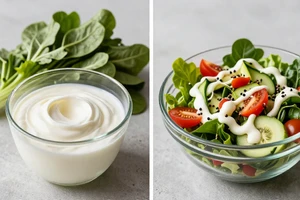
When food manufacturers remove fat, they often add sugar and salt to compensate for lost flavor and texture. Many low-fat salad dressings, yogurts, and frozen meals contain substantially more sodium than their full-fat counterparts. If you are reaching for a "light" or "reduced-fat" label to support heart health, you may end up consuming more sodium than you would with the regular version.
This does not mean you should avoid healthy fats—rather, check the nutrition facts side by side. Sometimes the regular option with moderate fat is the lower-sodium choice.
Overdoing "healthy" pre-made components like rotisserie chicken or deli meat
Rotisserie chicken, turkey slices, and even pre-cooked chicken breasts are convenient staples for salads, wraps, and quick dinners. But these items are often brined or injected with a salt solution before cooking to keep them moist. A 3-ounce serving of deli turkey can pack 600 to 800 mg of sodium or more.
If you rely on these shortcuts every day, your sodium intake can climb without you noticing. Instead, cook fresh chicken breasts at home in bulk and slice them yourself—you control the seasoning. If you must buy deli meats, look for those labeled "no salt added" or "low sodium," and be aware that even healthy-sounding options can be surprisingly high.
Eating out frequently without asking questions
Restaurant meals—whether fast food or sit-down—are notoriously high in sodium. Chefs use salt generously to build flavor, and many dishes arrive with sauces, dressings, or cheese that add even more. Even salads at chain restaurants can exceed 1,000 mg of sodium once the dressing, croutons, and grilled chicken are added.
One simple tactic: ask for sauces and dressings on the side, order grilled instead of fried, and request that no extra salt be added to your dish during preparation. These small requests can cut hundreds of milligrams from a single meal.
Ultimately, lowering your sodium intake is not just about avoiding the salt shaker. It is about reading labels, questioning convenience foods, and rethinking the hidden sources that sneak salt into what you eat every day. Small changes—like switching to low-sodium broth, making your own vinaigrette, or cooking fresh more often—can help your body respond to a lower-sodium lifestyle more effectively.