You’ve made the switch to plant-based omega-3s—adding flaxseeds to your smoothie, sprinkling chia on your oatmeal, and reaching for walnuts. But are you actually absorbing those essential fats? Several common dietary habits can quietly sabotage your body’s ability to convert and absorb omega-3s from plant sources. Here are five mistakes that could be blocking your progress.
Mistake 1: Relying on ALA without supporting conversion
Plant-based omega-3s come primarily as alpha-linolenic acid (ALA), which your body must convert into the more usable forms: EPA and DHA. That conversion process is inefficient—only about 5 to 15 percent of ALA turns into EPA, and even less into DHA. If you’re eating flax, chia, or hemp seeds but not giving your body the conditions it needs to convert them, you’re leaving most of the benefit on the table.
Two nutrients that help the conversion process are vitamin B6 and zinc. Foods like chickpeas, sunflower seeds, spinach, and pumpkin seeds can support this step. Meanwhile, a diet high in linoleic acid—found in soybean, corn, and sunflower oils—competes for the same conversion enzymes, making matters worse.
Tip: Pair your ALA-rich foods with a source of B6 or zinc, and reduce your intake of processed vegetable oils.
Mistake 2: Keeping your fat intake too low
It sounds counterintuitive: you’re eating omega-3s, but you’re also avoiding fat. Many people who switch to plant-based eating slash dietary fat across the board. But omega-3s are fat-soluble, meaning your body needs some dietary fat to absorb them properly.
A 2015 study found that people who ate a low-fat meal absorbed significantly fewer omega-3s from walnuts than those who ate a full-fat meal. You don’t need much—a handful of almonds, a drizzle of olive oil, or half an avocado is enough to make a difference. The key is not to eat your omega-3 source completely naked.
Mistake 3: Excess omega-6 intake
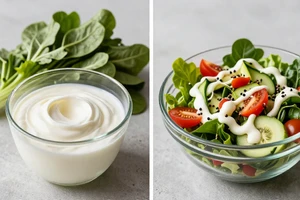
In the Western diet, omega-6 fatty acids are everywhere: safflower oil, grapeseed oil, mayonnaise, salad dressings, fried foods, and many packaged snacks. While some omega-6 is essential, too much creates an imbalance. Both omega-3 and omega-6 compete for the same delta-6 desaturase enzyme, which is needed for conversion. When omega-6 levels are high, omega-3 conversion drops.
Aim for a more balanced ratio by cooking with olive or avocado oil instead of soybean or corn oil, and limiting processed foods. If you’re eating chia seeds and flax but still dousing salads in sunflower oil dressing, you’re undermining your own efforts.
Mistake 4: Drinking coffee or tea at the wrong time
Coffee and tea contain polyphenols called tannins, which can bind to certain minerals and fatty acids, reducing absorption. If you drink a large coffee with breakfast and that’s when you have your chia pudding or flax cereal, you may be limiting how much ALA your body retains.
This doesn’t mean you have to give up coffee. Just time it wisely: wait at least an hour after eating your omega-3-rich meal before having your morning brew. The same goes for tea.
Mistake 5: Not pairing omega-3s with antioxidants
Omega-3 fatty acids are polyunsaturated, which makes them prone to oxidation—essentially, they can go rancid inside your body if not protected. Antioxidants like vitamin E, vitamin C, and polyphenols help stabilize these fats and improve their absorption and utilization.
If your omega-3-rich meal is missing colorful vegetables, berries, or a squeeze of lemon, you’re missing a chance to protect and enhance absorption. A simple fix: top your oatmeal or smoothie bowl with berries, or add broccoli and bell peppers to a tofu scramble.
Getting enough omega-3s from plant sources is only half the battle. The other half is creating an environment in your body that allows for proper conversion and absorption. Small adjustments—timing your coffee, choosing better oils, and including antioxidants—can make your ALA-rich diet much more effective.