
Switching to a plant-based diet is one of the most positive changes you can make for your health. However, many newcomers stumble into the same few nutritional pitfalls. This isn’t about scolding anyone; it’s about helping you start strong. Here are five dietary mistakes people often make when adopting a plant-based lifestyle.
1. Relying Heavily on Ultra-Processed Vegan Foods
It’s easy to assume that anything labeled “vegan” is automatically healthy. Many products—like plant-based burgers, frozen pizzas, and creamy pastas—are still ultra-processed and packed with sodium, unhealthy fats, and additives. Eating these every day can leave you feeling sluggish and missing key nutrients. Think of processed vegan foods as convenient treats, not staples.
2. Not Getting Enough Complete Protein
Protein quality matters. While plant foods like beans, lentils, and nuts are excellent, most are “incomplete” proteins, meaning they lack one or more essential amino acids. To get all the building blocks your body needs, combine different sources throughout the day. A classic example is rice and beans—together they form a complete protein. Don’t stress about pairing them perfectly at every meal, but do aim for variety.
Simple tip: Mix grains (brown rice, quinoa) with legumes (chickpeas, black beans) or seeds (hemp, chia). Your body handles the rest.
3. Neglecting Vitamin B12
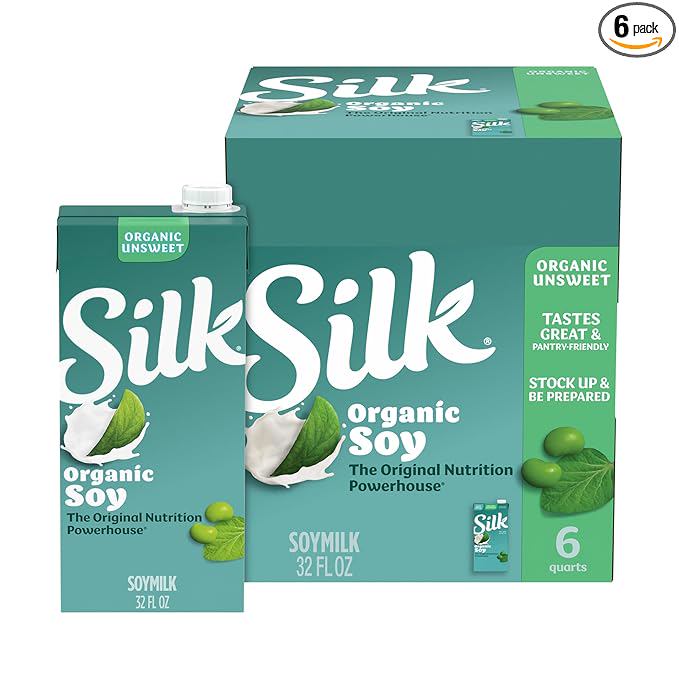
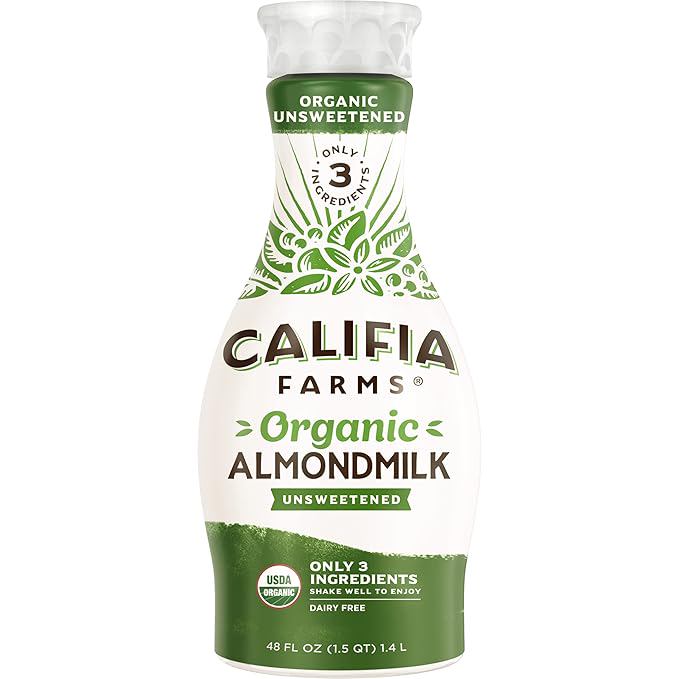
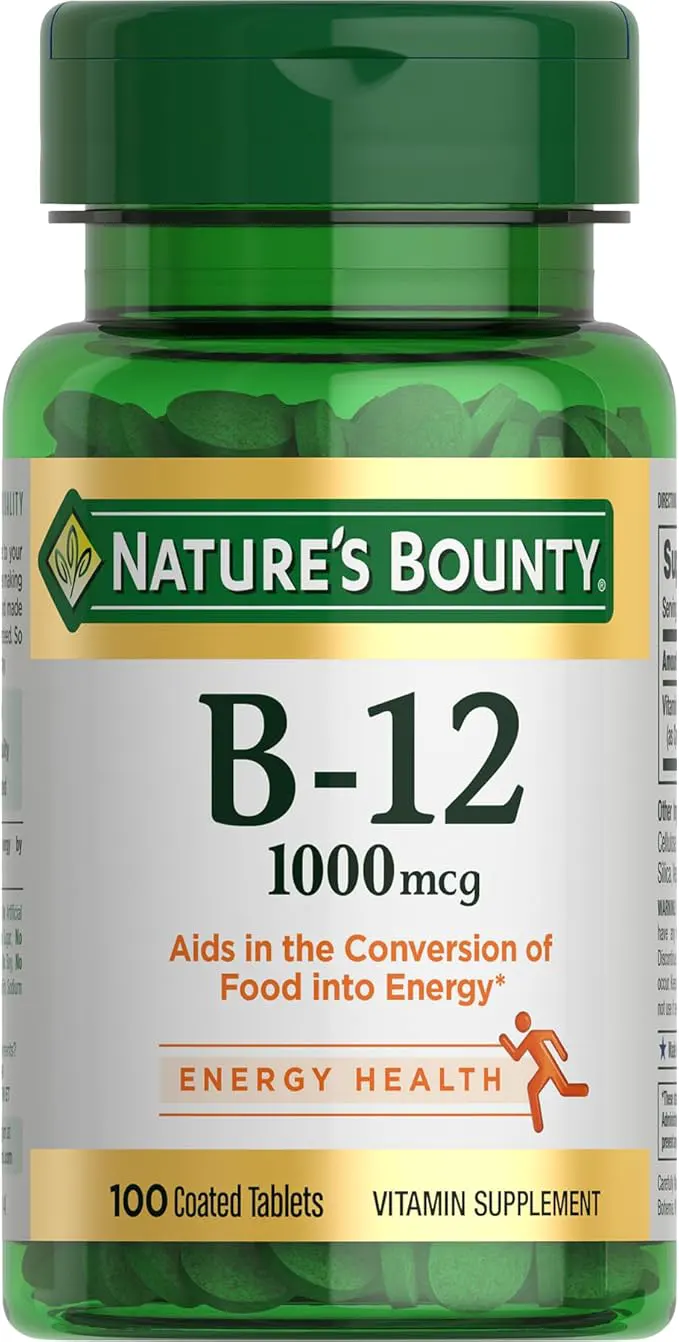
This is non-negotiable. Vitamin B12 is not naturally found in plant foods. If you don’t supplement or consume fortified foods (like nutritional yeast, plant milks, or cereals), you risk deficiency over time. Symptoms can include fatigue, nerve problems, and anemia. A simple B12 supplement or fortified daily food is a small habit that prevents a big problem.
4. Forgetting About Iron and Calcium
Plant-based iron (non-heme) is less absorbable than animal iron. Pair iron-rich foods like spinach or lentils with vitamin C (lemon juice, bell peppers) to boost absorption. Similarly, calcium is abundant in leafy greens (kale, collards) and fortified plant milks, but be careful with high-oxalate greens like spinach—oxalates hinder calcium absorption. Rotate your greens for the best mix.
5. Eating Too Little Healthy Fat
Many new plant-based eaters cut fat too aggressively. Healthy fats from avocados, nuts, seeds, and olive oil are vital for absorbing fat-soluble vitamins (A, D, E, K) and supporting brain health. Don’t fear the fat—just choose whole-food sources over processed oils when possible. A handful of walnuts or a tablespoon of chia seeds in your oatmeal makes a big difference.
The bottom line: A well-planned plant-based diet can be incredibly nutritious. Avoid these common mistakes by focusing on whole foods, adding variety, and supplementing B12 and vitamin D. Listen to your body and adjust as you go. Small changes create lasting results.