You've been tracking your food, hitting the gym, and staying consistent—yet the scale refuses to budge. For countless people, the culprit isn't a lack of effort; it's a set of stubborn misconceptions about how protein, fat, and carbohydrates actually work together in a weight-loss plan. These diet myths about macronutrient balance don't just slow progress—they can actively undermine the metabolic and hormonal shifts that lead to sustainable fat loss.
Let's clear the fog on five of the most pervasive macronutrient myths, so you can stop second-guessing your plate and start seeing the results your work deserves.
Myth #1: Carbs Are the Enemy of Weight Loss
This is the granddaddy of modern diet lore. The logic seems simple: carbs raise blood sugar, insulin stores fat, so cut carbs and you'll shed pounds. But the human body doesn't work like a light switch. Carbohydrates are the primary fuel for your brain, central nervous system, and high-intensity exercise. When you remove them entirely, your body can adapt—but not always happily. Many people experience fatigue, brain fog, and a drop in training performance that actually discourages movement and burns fewer calories overall.
What matters more than carbs themselves is which carbs you choose and how they fit into your total energy intake. A diet rich in fiber-filled vegetables, legumes, and whole grains supports satiety and stable blood sugar. The real issue for weight loss isn't carbs per se; it's a calorie surplus driven by highly processed, low-satiety versions of them.
The takeaway: You don't need to banish bread. You need to match your carb intake to your activity level and prioritize whole sources.
Myth #2: You Should Get Most of Your Calories From Protein
Protein is undeniably important for weight loss. It increases satiety, has a higher thermic effect than carbs or fat, and helps preserve lean muscle mass while you're in a calorie deficit. But a protein-heavy diet at the expense of other macronutrients creates its own set of problems. Severely restricting fat, for example, can disrupt hormone production—including hormones that regulate appetite and metabolism. And without enough carbohydrates, your body may break down muscle protein for glucose, which defeats the purpose of eating all that chicken breast.
A balanced distribution—typically around 20–30% of calories from protein, 45–55% from carbs, and 20–35% from fat—supports both adherence and physiological function. Going above that protein range often means squeezing out nutrient-dense foods like fruits and healthy oils that contribute to long-term health.
Myth #3: All Calories Are Equal When It Comes to Macronutrients
This myth is usually a reaction against the carb-phobia above, but it swings too far in the other direction. While it's true that weight loss ultimately requires a calorie deficit, the source of those calories profoundly affects how easy or hard that deficit is to maintain.
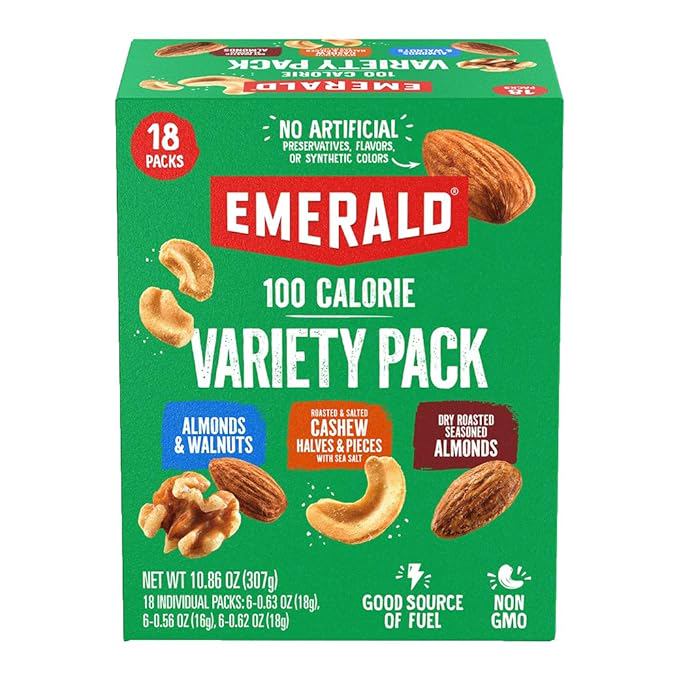
One hundred calories from almonds behave very differently in your body than one hundred calories from a sugary soda. The almonds bring fiber, fat, and protein that slow digestion, stabilize blood sugar, and keep you full for hours. The soda delivers a rapid glucose spike that triggers an insulin surge, leaving you hungry soon after. Over time, a diet built on nutrient-poor, high-glycemic carbohydrates can lead to energy crashes and cravings that sabotage adherence. The macronutrient profile of your calories directly influences your appetite, your energy, and your willpower.
Myth #4: You Must Eat Small, Frequent Meals to Keep Your Metabolism Running
For years, we heard that eating six small meals a day revs the metabolic engine. The idea is that digestion itself burns energy—so the more often you eat, the more total calories you burn. In reality, the thermic effect of food depends on the total amount you eat in a day, not the number of meals. A 2020 review in the Journal of the International Society of Sports Nutrition found no significant metabolic advantage to higher meal frequency when total calories are controlled.
What meal frequency does affect is personal hunger management. Some people feel more satisfied with three larger meals; others prefer three meals plus a snack or two. The right pattern is the one that helps you consistently eat in a slight deficit without feeling deprived. The macros inside those meals matter far more than the clock on the wall.
Myth #5: High-Fat Diets Automatically Lead to Fat Loss
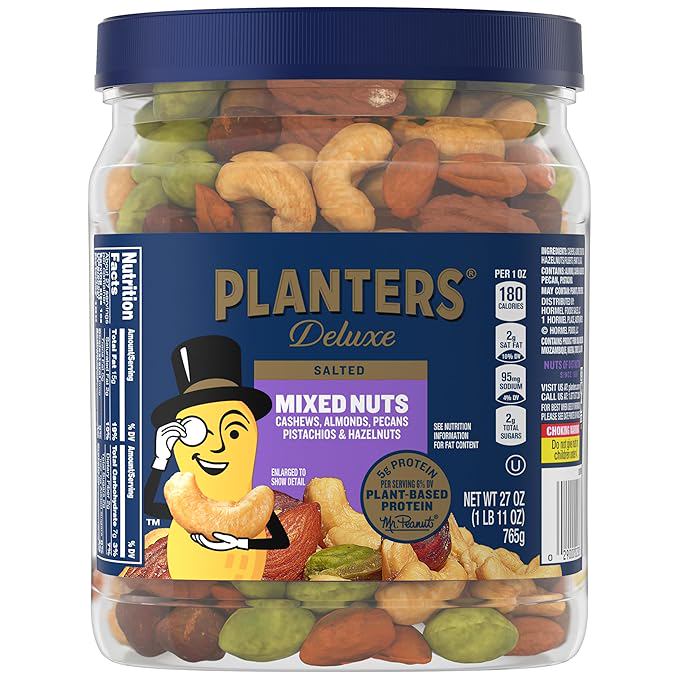
Ketogenic and very low-carb, high-fat diets have genuine therapeutic applications, and many people do lose weight on them—largely because the restrictive nature of the diet naturally reduces calorie intake and blunts appetite. But fat is the most calorie-dense macronutrient, packing nine calories per gram compared to four per gram for carbs and protein. It's very easy to overeat nuts, oils, cheese, and fatty meats if you aren't paying attention.
A diet that's high in fat can support weight loss if it creates a calorie deficit, but it offers no special metabolic magic over other balanced approaches. Long-term adherence is often harder because the diet eliminates many common foods, making social eating and variety challenging. The most effective diet for weight loss is one that you can stick with consistently, and for most people, that includes a moderate amount of healthy fats alongside carbs and protein.
Building Your Own Balanced Approach
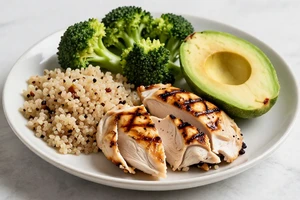
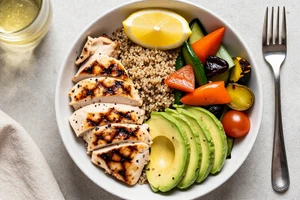
Strip away the marketing and the social-media hype, and the science is clearer than it seems: successful weight loss doesn't require eliminating any macronutrient. It requires finding the right ratio that supports your energy, your satiety, and your lifestyle. Start by eating a palm-sized portion of protein at most meals, filling half your plate with vegetables, adding a fist-sized serving of whole-food carbohydrates, and including a thumb-sized portion of healthy fats. That simple visual cue gets you closer to balance than any trend ever will.
If you've been stalled, take a look at where you might be following one of these myths without realizing it. The path forward isn't about being perfect—it's about being informed.