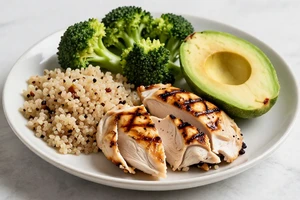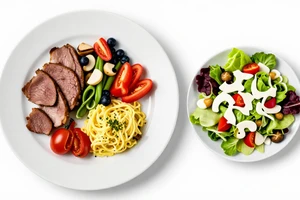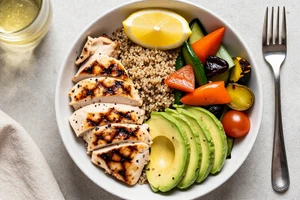

For years, the rule was simple: no carbs after sunset. If you wanted to lose weight, pasta, bread, and rice were banished from the dinner table. The logic seemed sound—eat carbs, store them as fat while you sleep. But this conventional wisdom is cracking under the weight of modern nutrition science.
The truth is more nuanced. Your body doesn’t stamp a clock on calories. Restricting carbohydrates at night often backfires, triggering cravings, poor sleep, and a strained relationship with food. Below, we unpack the five most persistent myths that keep people spinning their wheels.
Myth 1: Carbs Automatically Turn into Fat While You Sleep
The fear of nocturnal fat storage is rooted in a misunderstanding of metabolism. Yes, excess energy can be stored as fat, but your body doesn’t distinguish between a carbohydrate eaten at 7:00 PM and one eaten at 7:00 AM based on time alone.
What Actually Happens Overnight
During sleep, your body is far from idle. Your brain, muscles, and cells continue to burn energy—including glucose from your last meal. The process de novo lipogenesis (converting carbs into fat) only ramps up when total daily energy intake vastly exceeds expenditure.
The real culprit is not the presence of carbs at night, but a chronic calorie surplus over a 24-hour window. A small, balanced serving of carbohydrates with dinner is unlikely to tip the scales.
The bottom line: Meal timing matters far less than total daily calorie balance and overall dietary quality.
Myth 2: Cutting Night Carbs Speeds Up Weight Loss
This myth survives because it sometimes seems to work—at least in the short term. Severely restricting carbohydrates often leads to an initial drop on the scale. That drop is largely water weight, not fat loss.
The Glycogen Water Shift
Carbohydrates are stored in your muscles and liver as glycogen. Every gram of glycogen holds roughly three to four grams of water. When you cut carbs, glycogen stores deplete, and the water is flushed out. This creates the illusion of rapid fat loss, but it stalls once your body adjusts.
What’s more, many people who cut night carbs end up overcompensating earlier in the day. They eat a larger lunch or more snacks, erasing any calorie deficit they hoped to create. The net result is no difference—or even weight gain.
Myth 3: Eating Carbs at Night Disrupts Your Sleep and Hormones
There is a grain of truth here. A heavy, greasy, or sugary meal right before bed can interfere with sleep quality. But a modest serving of complex carbohydrates can actually promote rest.
The Case for a Bedtime Carb
Carbohydrates help transport tryptophan—an amino acid precursor to serotonin and melatonin—into the brain. This is why a small bowl of oatmeal or a slice of whole-grain toast with a bit of protein can be a sleep-friendly snack.
Skipping carbs entirely at night may spike cortisol, the stress hormone, for some people. Chronically elevated cortisol is linked to abdominal fat storage and disrupted sleep. A balanced evening meal that includes whole-food carbs may help keep your stress response in check.
Myth 4: Your Metabolism Slows Down After a Certain Hour
The idea that your metabolism hits a wall after 6:00 PM or 8:00 PM is a biological fiction. Your metabolic rate does dip slightly during deep sleep, but it never shuts off. Your body is constantly repairing cells, circulating blood, and maintaining core temperature—all of which require energy.
Total Daily Energy Expenditure Is the Key
The body’s energy needs are calculated over 24 hours, not in isolated windows. What matters for weight loss is whether your total intake is less than your total burn. Eating the majority of your carbohydrates at night, within your calorie needs, will not derail progress.
Some research even suggests that people who eat a larger portion of their daily carbs at dinner may experience better satiety and fewer late-night cravings compared to those who front-load all their carbs at breakfast. This contradicts the old “breakfast like a king, dinner like a pauper” dogma.
Myth 5: All Carbs Are Equal After Dark
This is perhaps the most damaging myth because it lumps all carbohydrates into one guilty category. A plate of steamed vegetables, a bowl of lentils, and a candy bar are not metabolic equals—even if they contain the same gram count of carbohydrate.
Choose the Right Type
The glycemic load and fiber content of a carbohydrate influence how your body processes it. High-fiber, complex carbohydrates—think quinoa, sweet potatoes, beans, and non-starchy vegetables—digest slowly, providing steady energy without a crash. Refined carbohydrates like white bread, sugary cereal, and pastries spike blood sugar rapidly, which can leave you hungry or restless later.
The issue is not eating carbs at night; it is eating ultra-processed foods in a calorie surplus. Replace the blanket ban on nighttime carbs with a focus on nutrient density.
Summary for the savvy dieter: If you enjoy a serving of rice with dinner or a piece of fruit in the evening, do not fear the scale tomorrow. Focus instead on protein, vegetables, and whole-food carbs in reasonable portions. Consistency across the whole day—not an arbitrary curfew—is what drives sustainable results.