You’ve planned your meals, you’re tracking your intake, and you’re committed to your goals. Yet, the scale isn’t moving as expected. Often, the culprit isn’t the main meals—it’s the snacks. Even with the best intentions, common snacking habits can quietly add hundreds of extra calories, undermining the calorie deficit essential for weight management. The good news is that these mistakes are easily identifiable and, with a few mindful shifts, completely correctable.
Snacking itself isn’t the enemy. A well-chosen snack can boost energy, curb hunger between meals, and even provide essential nutrients. The problem arises when our snacking patterns operate on autopilot, influenced by convenience, emotion, or distraction rather than physical need. By bringing awareness to these five common pitfalls, you can transform snacking from a source of frustration into a tool that supports your health journey.
Mistake 1: Eating Straight from the Package
This is perhaps the most stealthy calorie saboteur. When you eat chips from the bag, nuts from the jar, or ice cream from the carton, you disconnect from the act of consumption. There’s no visual cue for portion size, making it incredibly easy to lose track of how much you’ve actually eaten. What starts as a “few bites” can quickly turn into consuming two or three servings without even realizing it.
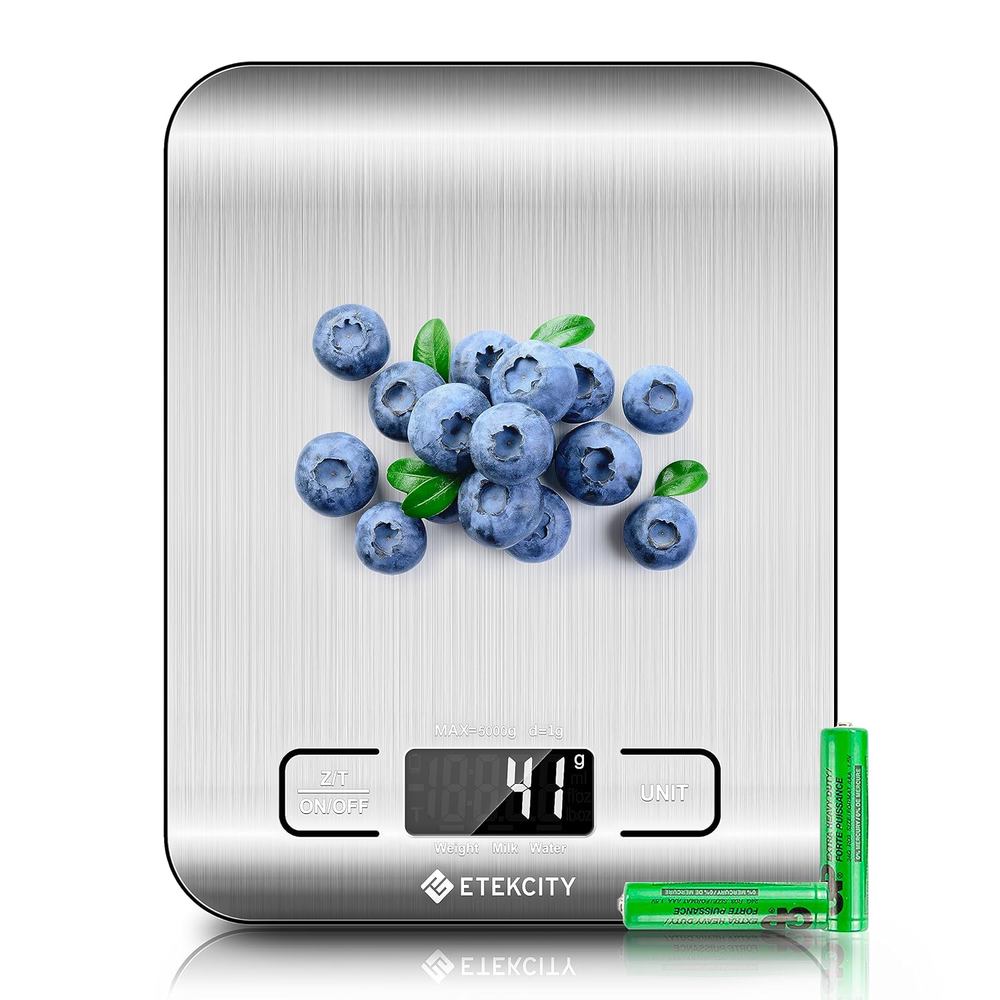
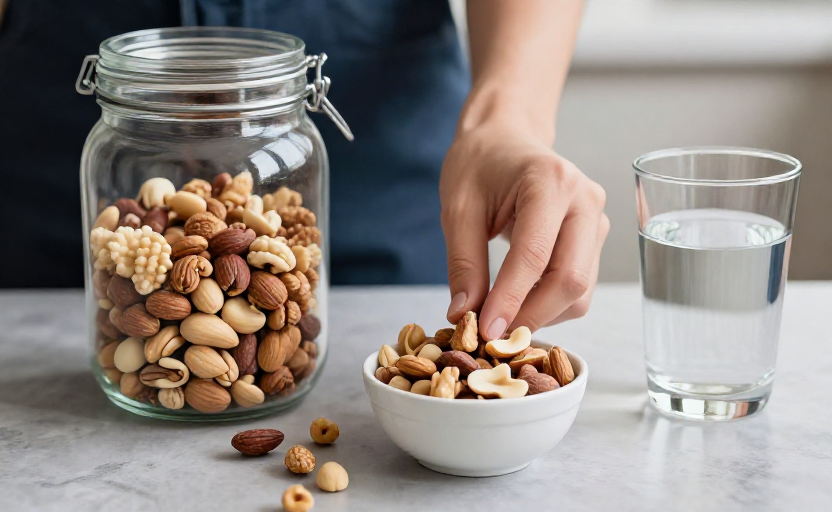
Always portion your snack onto a plate or into a bowl before you start eating. This simple act creates a natural stopping point and allows you to see exactly what you’re consuming.
This practice isn’t about restriction; it’s about creating intention. It allows you to enjoy your snack fully, decide if that portion is truly satisfying, and then consciously choose whether to have more, rather than mindlessly finishing a package while distracted.
Mistake 2: Choosing “Healthy” Foods That Are Calorie-Dense
In our quest for better choices, we often gravitate toward foods marketed as natural, organic, or nutrient-rich. While foods like nuts, seeds, avocado, dried fruit, and olive oil are undoubtedly nutritious, they are also concentrated sources of calories. A small handful of nuts can contain over 200 calories, and a tablespoon of olive oil has about 120.
The error isn’t in eating these foods—they offer healthy fats, fiber, and vitamins—but in assuming that “healthy” automatically means “low-calorie” and consuming them in unlimited quantities. This can inadvertently create a significant calorie surplus.
The key is to respect their energy density. Measure out a single serving. Pair a small amount of a calorie-dense food with something voluminous but low in calories, like adding a few nuts to a large green salad or using a teaspoon of olive oil to roast a big tray of vegetables.
Mistake 3: Confusing Thirst for Hunger
The body’s signals for thirst and hunger can feel remarkably similar—fatigue, irritability, a slight headache, or a hollow feeling. Before reaching for a snack, especially in the mid-afternoon, pause and drink a full glass of water. Wait 15-20 minutes. Often, the craving subsides because what your body truly needed was hydration.
Chronic mild dehydration can masquerade as persistent hunger, leading to unnecessary snacking. Establishing a habit of drinking water first not only helps clarify true hunger cues but also supports overall metabolism and can contribute to a feeling of fullness.
Mistake 4: Emotional or Boredom Snacking
This mistake shifts the purpose of food from fuel to something else entirely: a comfort, a distraction, a reward, or a way to pass time. You might find yourself in the kitchen when you’re stressed, tired, bored while watching TV, or procrastinating on a task. The craving is often for something specific and comforting, like something crunchy, sweet, or salty.
The first step is non-judgmental awareness. Ask yourself, “Am I physically hungry, or am I feeling something else?” If you’re not physically hungry—if you wouldn’t eat an apple or a plain piece of chicken—then food is unlikely to solve the underlying need.
Create a short list of non-food actions for these moments: a five-minute walk, a few stretches, a glass of herbal tea, or even just tidying a drawer. It breaks the automatic cycle and addresses the real need.
Mistake 5: Not Planning for Snack Attacks
Willpower is a finite resource, and it’s weakest when you’re hungry, tired, or busy. If you haven’t planned for snacks, you’re left at the mercy of whatever is most convenient—the office vending machine, the drive-thru, or the leftover pastries in the break room. These options are typically high in refined sugars, unhealthy fats, and calories, and low in satiating protein and fiber.
Strategic snacking is about preparation. Dedicate a few minutes to portioning out snacks when you’re not hungry. Keep options on hand that combine protein and fiber, which digest slowly and promote fullness. Think Greek yogurt with berries, sliced vegetables with hummus, or a hard-boiled egg. When a genuine hunger pang strikes, you have a supportive choice ready to go, making it easy to stay aligned with your goals.
Correcting these snacking mistakes isn’t about perfection or eliminating joy from eating. It’s about building a more conscious and supportive relationship with food. By plating your snacks, respecting the calorie density of healthy foods, hydrating first, distinguishing hunger from emotion, and planning ahead, you empower yourself. Your snacks become deliberate, satisfying pauses that fuel your body and steady your progress, rather than unseen obstacles on your path to wellness.