
You crushed your workout. Your muscles are burning, and you feel that familiar tightness setting in. But a few hours later, the soreness feels worse than it should—and it lingers for days. In many cases, the culprit isn't how hard you trained. It's what you did (or didn't do) in the hour after your last rep.
Post-workout nutrition is a delicate recovery window. The right choices help your muscles repair and grow. The wrong ones can prolong inflammation, delay protein synthesis, and spike cortisol, amplifying delayed-onset muscle soreness (DOMS). Here are five common mistakes that can turn normal recovery into unnecessary misery, with practical corrections grounded in exercise physiology.
1. Skipping protein entirely after strength training
After resistance training, your muscle fibers sustain micro-tears. Repair requires a fresh supply of amino acids. If you walk out of the gym and eat nothing, your body shifts into a catabolic state where it breaks down muscle tissue for energy. That breakdown makes soreness worse because damaged fibers are left unrepaired longer.
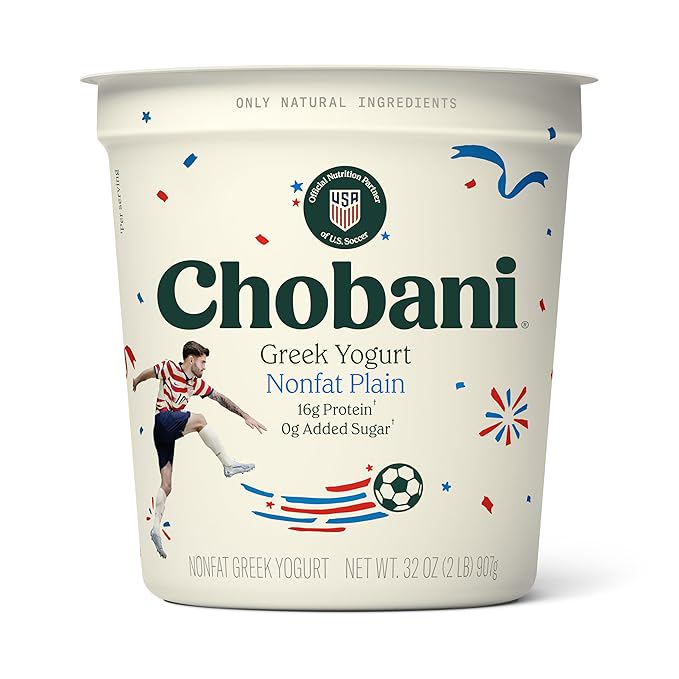
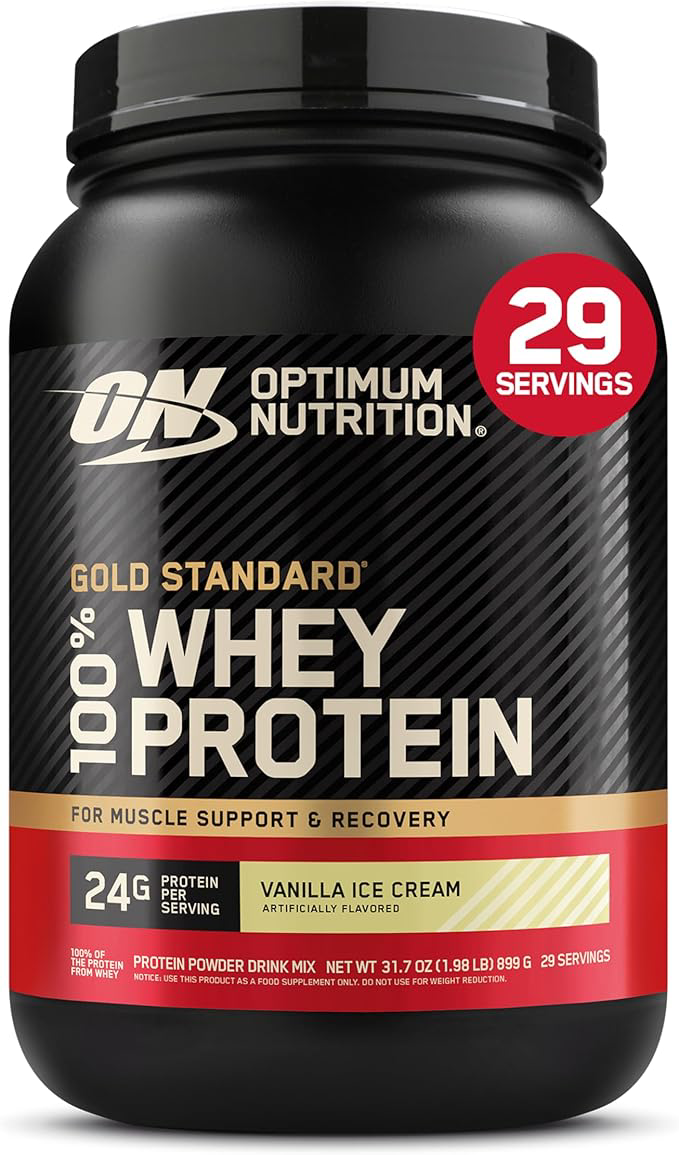
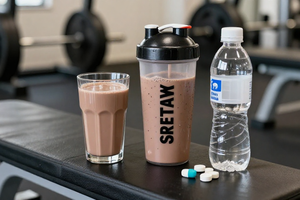
Research consistently shows that consuming 20–40 grams of protein within two hours post-workout stimulates muscle protein synthesis and reduces markers of muscle damage. If you prefer whole foods, grilled chicken, Greek yogurt, or eggs work well. For convenience, a whey or plant-based protein shake is a reliable option. The key is consistency—don't let an empty stomach prolong your recovery.
The fix: Have a protein source ready before you start your cool-down. Even a small shake or a carton of milk can shift your recovery trajectory.
2. Neglecting carbohydrates when your session was intense
Many people in strength training assume carbs are irrelevant if they aren't doing cardio. That isn't true. Intense lifting depletes muscle glycogen stores, and without replenishment, glycogen resynthesis stalls. Low glycogen availability increases muscle protein breakdown and prolongs the inflammatory response linked to DOMS.
Aim for a ratio of roughly 3:1 or 4:1 carbs to protein in your first post-workout meal when your session was high-volume or heavy. White rice, sweet potatoes, oats, or fruit pair perfectly with your protein source. This combination restores glycogen, lowers cortisol, and supports faster clearance of metabolic waste from fatigued muscles.
Athletes who skip carbs often report feeling "flat" and sore for longer. If your training is demanding, don't leave carbohydrates out of your recovery equation.
3. Drinking too little water after sweating heavily
Dehydration magnifies muscle soreness. When you lose fluid through sweat during a workout and fail to rehydrate afterward, the reduced blood volume makes it harder for your body to deliver oxygen and nutrients to damaged muscle tissue. Waste products like lactate and metabolic byproducts also clear more slowly.
Chronic mild dehydration can raise perceived muscle tenderness by up to 20 percent in some studies. The simple remedy is to weigh yourself before and after vigorous workouts and drink enough water to compensate for the difference. A general rule is 16–24 ounces of water per pound lost during exercise. Electrolyte-enhanced water can help when sweat losses were substantial.
4. Relying on ultra-processed protein bars masquerading as recovery food
Not all recovery snacks are created equal. Many commercial protein bars contain high amounts of added sugar, sugar alcohols, and industrial oils that promote low-grade systemic inflammation. When you eat these right after a workout, you may be getting protein—but you're also getting compounds that can worsen the inflammatory aspect of muscle soreness.
Read the ingredient list. If a bar lists sugar as one of the first three ingredients or contains more than 10 grams of added sugar, it's essentially candy wrapped in a fitness label. Whole-food options like a banana with almond butter or a simple shake with minimal ingredients provide cleaner recovery fuel.
The fix: Choose foods with short, recognizable ingredient lists. Your muscles recover better from real food than from highly processed substitutes.
5. Consuming too much caffeine too close to your post-workout meal
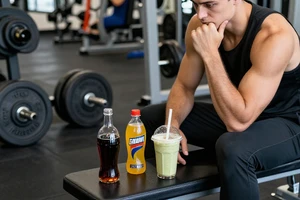
Caffeine is a well-established pre-workout booster, but its timing matters for recovery. When consumed immediately after training, high doses of caffeine can elevate cortisol levels and interfere with muscle protein synthesis. Elevated cortisol prolongs the catabolic state, making soreness feel more intense and last longer.
If you need caffeine after your session, wait at least 30–60 minutes after your first protein-and-carb meal before having coffee or a caffeinated pre-workout. This window allows nutrient absorption and the initial recovery processes to begin without hormonal interference. It's a subtle change that can noticeably improve how you feel the next morning.
Final note: Small adjustments to what you eat and drink post-workout can make the difference between bouncing back quickly and spending three days stiff on the couch. Prioritize protein, include carbs after heavy lifting, hydrate thoughtfully, skip the ultra-processed bars, and time your caffeine with care. Your muscles will thank you.